Cullen Omori

Pop
Indie Pop
Indie Rock
 Viberate Rank: 270848
 Viberate Rank: 270848
 Monthly ListenersFollowers
 Subscribers
 Followers
 Followers
 FansTop Spotify Songs
| Track | 7-Day Streams | |
|---|---|---|
1 | 1.19K | |
2 | 1.14K | |
3 | 350 | |
4 | 296 | |
5 | 101 |
Top YouTube VideosMonthly ListenersFeatured in Playlists| Playlist | Followers | |
|---|---|---|
1 |  Songs and Their Samples Aidan Joyce | 52.71K |
2 |  13 Reasons Why Soundtrack: Seasons 1-4 vye | 18.93K |
3 |  Steep Soundtrack RYO | 16.35K |
4 |  Background Music for Kissing Del Water Gap | 15.46K |
5 |  Urban Outfitters | Heard It At UO Urban Outfitters | 12.86K |
Audience| City | Monthly Listeners | |
|---|---|---|
1 | | 154 |
2 | | 126 |
3 |  | 117 |
4 | | 114 |
5 |  | 107 |
See full performance history, audience data, playlist activity, rankings, comparisons, and more in Viberate music analytics. Start with a free trial, then continue with a paid plan.
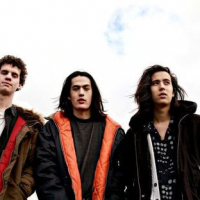
Cullen Omori’s Spotify BioVocalist, songwriter, and multi-instrumentalist Cullen Omori offers an individual perspective on indie pop with his darkly tuneful and atmospheric songs. After the breakup of his flashy rock band the Smith Westerns, Omori went solo and took a detour into moody indie pop with 2016's New Misery, while 2018's The Diet was a more expansive and musically diverse effort.
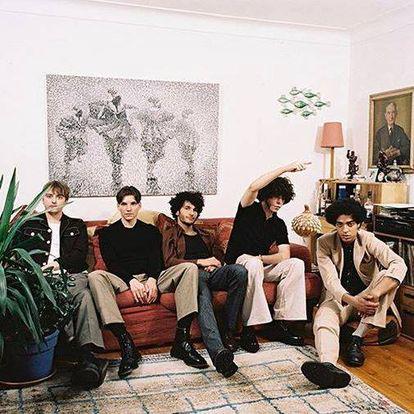
Omori was one of the founders of the Chicago-based band the Smith Westerns, who formed in 2007 and became an indie success story with the 2011 album Dye It Blonde. However, after 2013's Soft Will received a cool reception from fans and the press, creative differences split the group in late 2014. Omori was still in high school when he formed the Smith Westerns, and the breakup had a heavy impact on him. He took a day job in a hospital, and began adding to a batch of songs he'd started writing before the band's collapse. Working with musician Adam Gil, Omori began laying down lo-fi demos of his new tunes, which were a calmer… departure from the Smith Westerns' garage-glam fusion.
Sub Pop struck a deal with Omori, and he went into the studio with producer Shane Stoneback to record his debut album. The finished product, New Misery, was released on March 18, 2016; Omori followed the release with a U.S. tour. In the wake of New Misery's release, Omori went through a chaotic period that included a serious auto accident, a difficult romantic breakup, and leaving Chicago for Los Angeles. These life changes informed Omori's songwriting for his second solo effort, 2018's The Diet, that found him working with a larger crew of musicians as well as producer Taylor Locke. ~ Mark Deming, Rovi
Viberate is a music analytics platform built for A&Rs, artist managers, labels, booking agents, marketers, and artists.
It helps music professionals track artist growth, analyze audience data, monitor playlist activity, compare artists, follow song performance, and identify opportunities across the music market.
Public artist pages provide a free preview of selected artist data. Paid plans provide access to deeper analytics, historical data, charts, comparisons, playlist tools, exports, alerts, reports, and additional professional features.
Yes. Public Viberate artist pages provide selected artist analytics and music data for free.
Viberate also offers a 7-day free trial of the full platform. A credit card is required to start the trial. The trial includes access to the complete product so users can test deeper artist analytics, historical views, playlist insights, comparisons, charts, exports, alerts, and reporting features before choosing a paid plan.
Viberate provides artist analytics across streaming, playlists, social media, video, radio airplay, songs, and audience markets.
Users can analyze Spotify performance, Spotify and Apple Music playlists, YouTube activity, TikTok and Instagram growth, radio spins, song performance, audience locations, demographics, rankings, and overall artist momentum.
Artist profiles also connect to music charts, similar artists, and comparison tools, helping users benchmark performance and evaluate artists in context.
Viberate updates key artist and track data daily.
For followed artists and tracks, selected data is refreshed multiple times per day. This helps teams monitor playlist changes, streaming movement, audience growth, releases, and campaign performance with more current data.
Update frequency can vary depending on the metric and data source.
Yes. Viberate lets users compare up to five artists side by side across streaming, social media, audience, and engagement metrics.
Users can compare fanbase growth, audience demographics, locations, Spotify performance, social metrics, and other artist data over selected time periods.
Artist comparison can be used for A&R scouting, benchmarking, booking decisions, campaign planning, and evaluating artists with similar audiences or market positions.