CSS (Cansei de Ser Sexy)

Rock
Indie Rock
Other Electronic Music
 Viberate Rank: 45051
 Viberate Rank: 45051
 Monthly ListenersFollowers
 Subscribers
 Followers
 Followers
 FansTop Spotify Songs
| Track | 7-Day Streams | |
|---|---|---|
1 | 29.61K | |
2 | 14.29K | |
3 | 10.82K | |
4 | 9.31K | |
5 | 4.82K |
Top YouTube VideosMonthly ListenersFeatured in Playlists| Playlist | Followers | |
|---|---|---|
1 |  Élite - The Soundtrack Spotify | 318.57K |
2 |  Bloghouse Spotify | 81.94K |
3 |  Indie Disco Spotify | 81.81K |
4 | While You Work (@whileyouwork) Eli Feghali | 81.75K |
5 | EAFC & FIFA Soundtracks 94-27 Ross Hyland | 81.29K |
Audience| City | Monthly Listeners | |
|---|---|---|
1 | | 7.06K |
2 |  | 4.93K |
3 |  | 4.32K |
4 |  | 3.47K |
5 | | 2.91K |
See full performance history, audience data, playlist activity, rankings, comparisons, and more in Viberate music analytics. Start with a free trial, then continue with a paid plan.
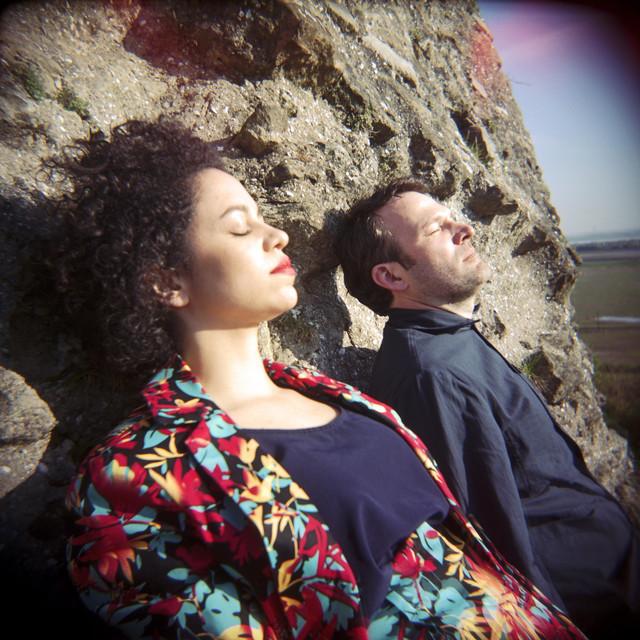
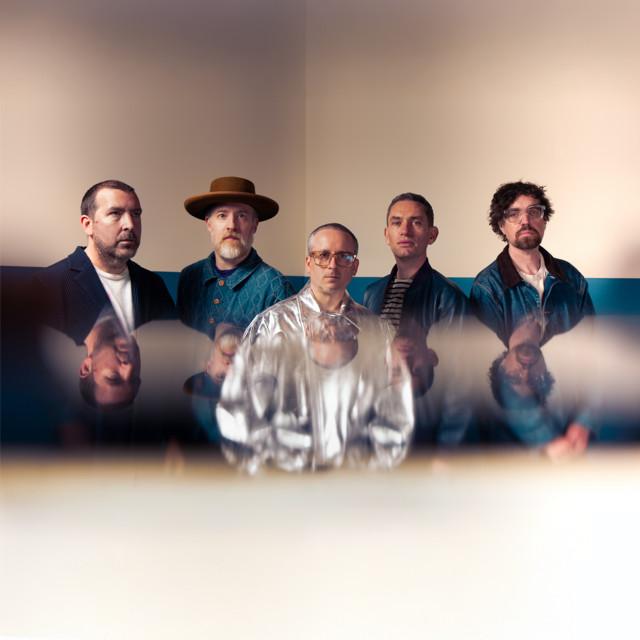
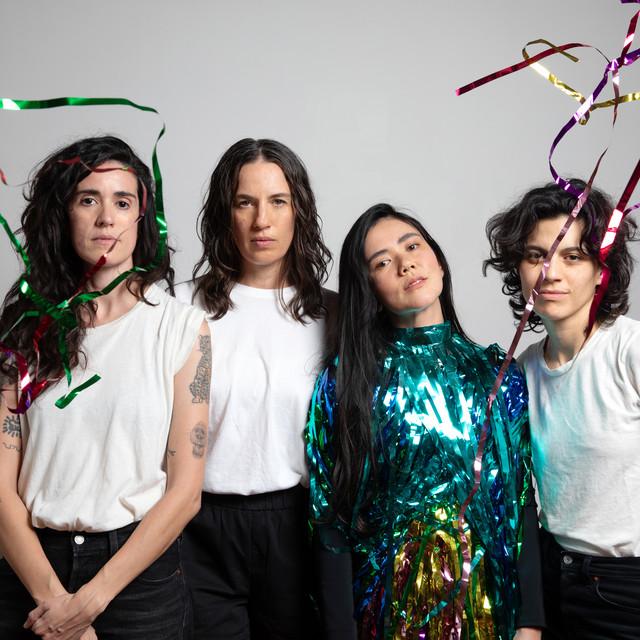
CSS (Cansei de Ser Sexy)’s Spotify BioSão Paulo, Brazil's provocative, freewheeling dance-rock sextet CSS take their name from an abbreviation of "cansei de ser sexy," which is Portuguese for "tired of being sexy" (though, considering that the lead singer goes by the name Lovefoxxx, it's arguable how much that phrase actually applies to the band). Formed in 2003, CSS originally included bassist Iracema Trevisan, guitarist/drummer/keyboardist Luiza Sá, guitarist Ana Rezende, guitarist/drummer Carolina Parra, and vocalist/multi-instrumentalist/producer Adriano Cintra (also a member of Thee Butchers' Orchestra), though he left the band in 2011.
After meeting at clubs and through Internet social networking groups such as Fotolog and Trama Virtual, the band began crafting its unique but unpretentious sound through trial and error. CSS' Net-savvy ways led to them becoming a phenomenon on the Web; their extensively downloaded songs eventually caught the attention of more traditional media in Brazil and Europe. The band released… two EPs on their own in 2004, Em Rotterdam Ja e uma Febre and A Onda Mortal/Uma Tarde com PJ, before signing to Trama Virtual in 2005. That fall, their debut album, Cansei de Ser Sexy, was released in Brazil, along with a bonus EP, CSS SUXXX. The members of CSS also used their other talents to forge the band's distinctive image: Lovefoxxx and Parra are graphic designers, Trevisan is a fashion designer, Rezende is a film student (and directed the video for the song "Off the Hook"), while Sá attended art school.
Early in 2006, Sub Pop signed the band and the label released Cansei de Ser Sexy in North America that summer. Shortly after the album's release, CSS did a string of dates in Canada and the U.S. with Diplo and Bonde do Role. The band's touring continued into 2007, with dates supporting Ladytron, Gwen Stefani, and Klaxons as well as a gig at that year's Lollapalooza festival. Late that year, their song "Music Is My Hot, Hot Sex" was used in an iPod commercial, and its popularity made it the highest-charting single by a Brazilian band in Billboard history. CSS' second album, Donkey, was produced by Cintra and mixed by Mark "Spike" Stent; shortly before its release in summer 2008, bassist Trevisan left the group. While touring in support of the album, the band continued to write songs, and went into the studio with collaborators including Primal Scream's Bobby Gillespie and Ratatat. The results were the dance-punk-reggae fusion of La Liberación, which arrived in mid-2011 via V2 Records. Also in 2011, Cintra announced he had parted ways with CSS, citing various disagreements with the other bandmembers. In 2012, CSS returned with their fourth studio album, Planta. ~ Heather Phares, Rovi
Viberate is a music analytics platform built for A&Rs, artist managers, labels, booking agents, marketers, and artists.
It helps music professionals track artist growth, analyze audience data, monitor playlist activity, compare artists, follow song performance, and identify opportunities across the music market.
Public artist pages provide a free preview of selected artist data. Paid plans provide access to deeper analytics, historical data, charts, comparisons, playlist tools, exports, alerts, reports, and additional professional features.
Yes. Public Viberate artist pages provide selected artist analytics and music data for free.
Viberate also offers a 7-day free trial of the full platform. A credit card is required to start the trial. The trial includes access to the complete product so users can test deeper artist analytics, historical views, playlist insights, comparisons, charts, exports, alerts, and reporting features before choosing a paid plan.
Viberate provides artist analytics across streaming, playlists, social media, video, radio airplay, songs, and audience markets.
Users can analyze Spotify performance, Spotify and Apple Music playlists, YouTube activity, TikTok and Instagram growth, radio spins, song performance, audience locations, demographics, rankings, and overall artist momentum.
Artist profiles also connect to music charts, similar artists, and comparison tools, helping users benchmark performance and evaluate artists in context.
Viberate updates key artist and track data daily.
For followed artists and tracks, selected data is refreshed multiple times per day. This helps teams monitor playlist changes, streaming movement, audience growth, releases, and campaign performance with more current data.
Update frequency can vary depending on the metric and data source.
Yes. Viberate lets users compare up to five artists side by side across streaming, social media, audience, and engagement metrics.
Users can compare fanbase growth, audience demographics, locations, Spotify performance, social metrics, and other artist data over selected time periods.
Artist comparison can be used for A&R scouting, benchmarking, booking decisions, campaign planning, and evaluating artists with similar audiences or market positions.