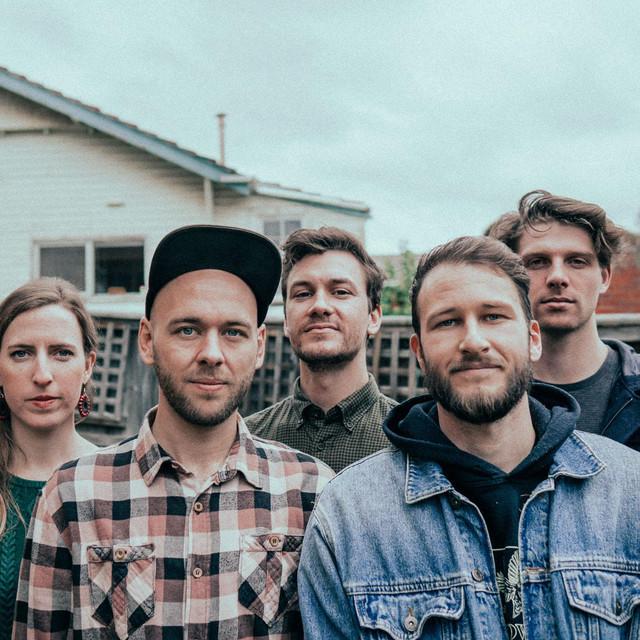
Crooked Trees

European
Other European Music
Indie Folk
 Viberate Rank: 545472
 Viberate Rank: 545472
 Monthly ListenersFollowers
 Subscribers
 Followers
 Followers
 FansTop Spotify Songs
| Track | 7-Day Streams | |
|---|---|---|
1 | 18 | |
2 | 5 | |
3 | 4 | |
4 | 3 | |
5 | 3 |
Top YouTube Videos| Video | 7-Day Views | |
|---|---|---|
1 | 8 | |
2 | 2 |
Monthly ListenersFeatured in Playlists| Playlist | Followers | |
|---|---|---|
1 |  Alex Rainbird's Indie Music Rebeca Dragos | 4.27K |
2 |  alexrainbirdMusic 2016 alexrainbirdMusic | 4.13K |
3 |  Quiet Mind The Unknown Neighbour | 4.09K |
4 |  INDIE POP/ROCK - rising stars 🤩 Björn Aldén @ THESE MODERN TIMES | 1.75K |
5 |  Alex Rain Bird Music tuo1 | 1.28K |
Audience| City | Monthly Listeners | |
|---|---|---|
1 | | 10 |
See full performance history, audience data, playlist activity, rankings, comparisons, and more in Viberate music analytics. Start with a free trial, then continue with a paid plan.
Crooked Trees’ Spotify BioHailing from Stockholm, Sweden, Crooked Trees is a duo consisting of Kevin Spring (Lead Guitar) and Emil Salmi (Vocals and Rhythm Guitar) formed in 2016. With influences ranging from old classics & the 90’s Grunge scene, to more modern acts like Kings of Leon and Mumford & Sons.
Crooked Trees have a unique pop-rock sound with an indie vibe, alongside the heavier grunge tone that presents itself in their lyrics.
Through mutual friends, Crooked Trees got in touch with Swedish producer Mikael Nord (The Rasmus, The Scorpions). Nord was impressed by their sound and recommended them to producer Lennart Östlund, former owner of legendary Polar Studios where acts like Led Zeppelin, ABBA, Rolling Stones, Rammstein and many more have recorded.
Shortly after they went into the studio with Lennart Östlund and Rolf Alex, an indie label called Music Help in late 2016 signed Crooked Trees. After the success of Crooked Trees short summer tour, Emil and Kevin went back to writiting new music.
In late… 2017/early 2018 Crooked Trees came back with a couple of shows to present their new material and in spring 2018 they headed back into the recording studio.
After three months of recording with Lennart, Rolf and Rasmus Flyckt (Urban Cone, Producer), and deciding not to work with Music Help anymore, Crooked Trees are now ready to release their new EP ‘FLAWS’ independently.
With the first single ‘Vertigo’ out in November of 2018.
Viberate is a music analytics platform built for A&Rs, artist managers, labels, booking agents, marketers, and artists.
It helps music professionals track artist growth, analyze audience data, monitor playlist activity, compare artists, follow song performance, and identify opportunities across the music market.
Public artist pages provide a free preview of selected artist data. Paid plans provide access to deeper analytics, historical data, charts, comparisons, playlist tools, exports, alerts, reports, and additional professional features.
Yes. Public Viberate artist pages provide selected artist analytics and music data for free.
Viberate also offers a 7-day free trial of the full platform. A credit card is required to start the trial. The trial includes access to the complete product so users can test deeper artist analytics, historical views, playlist insights, comparisons, charts, exports, alerts, and reporting features before choosing a paid plan.
Viberate provides artist analytics across streaming, playlists, social media, video, radio airplay, songs, and audience markets.
Users can analyze Spotify performance, Spotify and Apple Music playlists, YouTube activity, TikTok and Instagram growth, radio spins, song performance, audience locations, demographics, rankings, and overall artist momentum.
Artist profiles also connect to music charts, similar artists, and comparison tools, helping users benchmark performance and evaluate artists in context.
Viberate updates key artist and track data daily.
For followed artists and tracks, selected data is refreshed multiple times per day. This helps teams monitor playlist changes, streaming movement, audience growth, releases, and campaign performance with more current data.
Update frequency can vary depending on the metric and data source.
Yes. Viberate lets users compare up to five artists side by side across streaming, social media, audience, and engagement metrics.
Users can compare fanbase growth, audience demographics, locations, Spotify performance, social metrics, and other artist data over selected time periods.
Artist comparison can be used for A&R scouting, benchmarking, booking decisions, campaign planning, and evaluating artists with similar audiences or market positions.