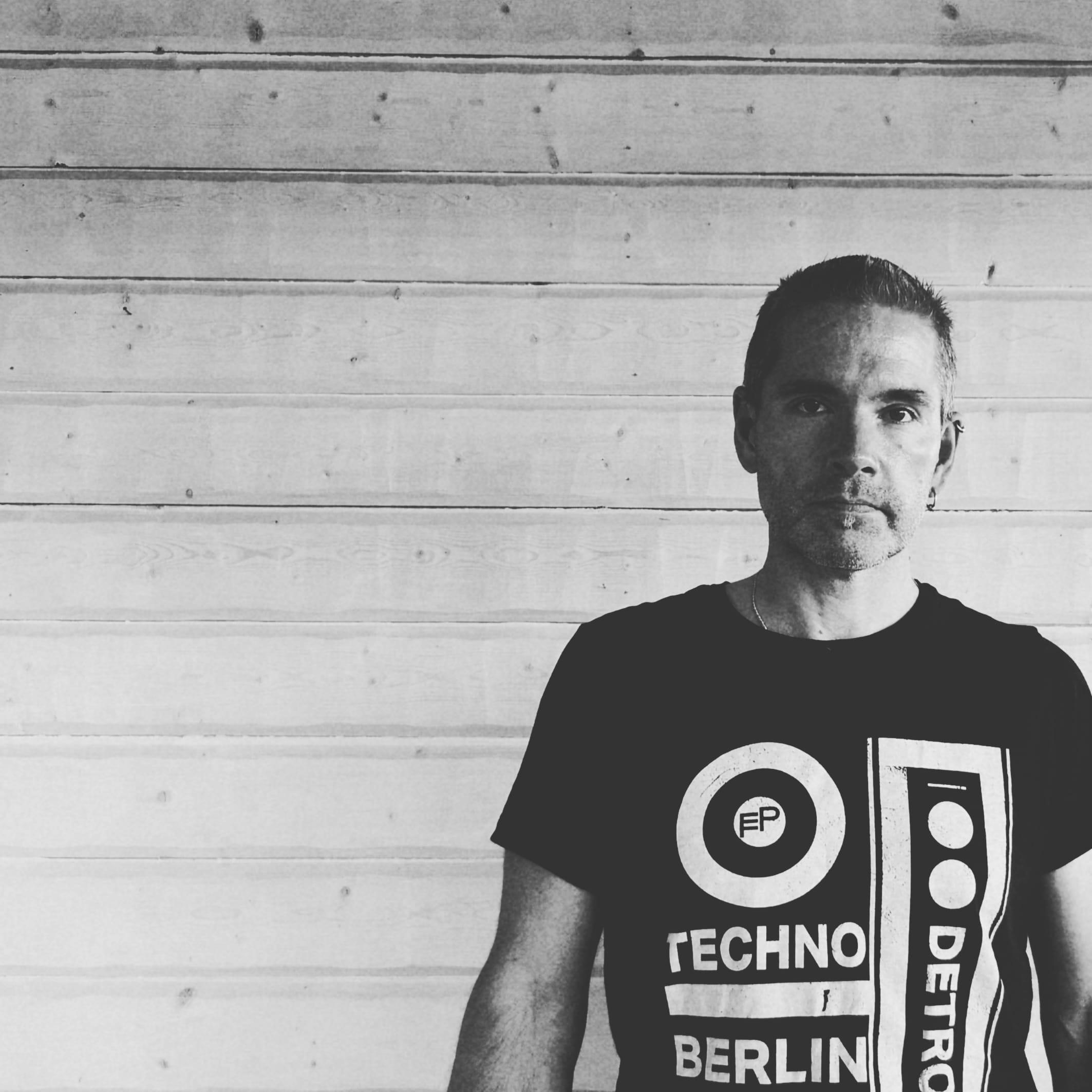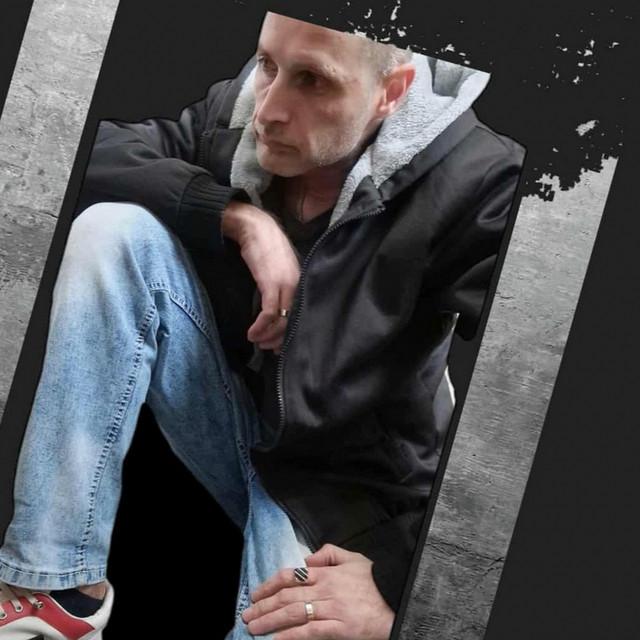
Cristian Glitch

Electronic
Techno
Hard Techno
 Viberate Rank: 205975
 Viberate Rank: 205975
 Monthly ListenersFollowers
 Subscribers
 Followers
 Followers
 FansTop Spotify Songs
| Track | 7-Day Streams | |
|---|---|---|
1 | 574 | |
2 | 456 | |
3 | 302 | |
4 | 142 | |
5 | 123 |
Top YouTube VideosMonthly ListenersFeatured in Playlists| Playlist | Followers | |
|---|---|---|
1 |  Techno House Trips Monroychis (playlist) | 88.07K |
2 |  Berghain Techno weedinjector | 45.81K |
3 |  Dark Underground Techno Sanford | 29.46K |
4 | brutal techno, dark techno gunnarrt | 14.44K |
5 |  JOHN WICK MODE SHADOW BAT JACK | 13.89K |
Audience| City | Monthly Listeners | |
|---|---|---|
1 |  | 203 |
2 | | 170 |
3 | | 141 |
4 | | 122 |
5 | | 119 |
See full performance history, audience data, playlist activity, rankings, comparisons, and more in Viberate music analytics. Start with a free trial, then continue with a paid plan.
Cristian Glitch’s Spotify BioCristian Glitch is a Colombian DJ, producer, and live performer from La Unión, Valle del Cauca, with a sound rooted in hard techno and industrial energy. Active since 2009, he has made waves in the global scene, climbing the top charts on Beatport and Juno Download, and gaining support from icons like Richie Hawtin, Amelie Lens, Charlotte de Witte, Rebekah, I Hate Models, and many more — all of whom have featured his tracks at festivals such as Awakenings, Tomorrowland, and Ultra Music Festival.
Since 2015, Cristian has run his own label, Parallel Thoughts Records — a platform that has released music from legends like DJ Rush and A.Paul, as well as rising Colombian talents shaping the future of techno.
With every set, Cristian creates raw, euphoric, and immersive experiences that connect people through tension, release, and rhythm. His work is not just sound — it’s a force driving Colombia’s presence in the global techno movement.
Viberate is a music analytics platform built for A&Rs, artist managers, labels, booking agents, marketers, and artists.
It helps music professionals track artist growth, analyze audience data, monitor playlist activity, compare artists, follow song performance, and identify opportunities across the music market.
Public artist pages provide a free preview of selected artist data. Paid plans provide access to deeper analytics, historical data, charts, comparisons, playlist tools, exports, alerts, reports, and additional professional features.
Yes. Public Viberate artist pages provide selected artist analytics and music data for free.
Viberate also offers a 7-day free trial of the full platform. A credit card is required to start the trial. The trial includes access to the complete product so users can test deeper artist analytics, historical views, playlist insights, comparisons, charts, exports, alerts, and reporting features before choosing a paid plan.
Viberate provides artist analytics across streaming, playlists, social media, video, radio airplay, songs, and audience markets.
Users can analyze Spotify performance, Spotify and Apple Music playlists, YouTube activity, TikTok and Instagram growth, radio spins, song performance, audience locations, demographics, rankings, and overall artist momentum.
Artist profiles also connect to music charts, similar artists, and comparison tools, helping users benchmark performance and evaluate artists in context.
Viberate updates key artist and track data daily.
For followed artists and tracks, selected data is refreshed multiple times per day. This helps teams monitor playlist changes, streaming movement, audience growth, releases, and campaign performance with more current data.
Update frequency can vary depending on the metric and data source.
Yes. Viberate lets users compare up to five artists side by side across streaming, social media, audience, and engagement metrics.
Users can compare fanbase growth, audience demographics, locations, Spotify performance, social metrics, and other artist data over selected time periods.
Artist comparison can be used for A&R scouting, benchmarking, booking decisions, campaign planning, and evaluating artists with similar audiences or market positions.