Crisis

Metal
Alternative Metal
Doom/Sludge Metal
 Viberate Rank: 523017
 Viberate Rank: 523017
 Monthly ListenersFollowers
 Subscribers
 Followers
 Followers
 FansTop Spotify Songs
| Track | 7-Day Streams | |
|---|---|---|
1 | 131 | |
2 | 61 | |
3 | 60 | |
4 | 57 | |
5 | 52 |
Top YouTube VideosMonthly ListenersFeatured in Playlists| Playlist | Followers | |
|---|---|---|
1 |  Nu metal Aggro metal ADT LABEL | 3.87K |
2 |  Women of Doom Pame | 1.38K |
3 |  Female Fronted Extreme Andreas Ottenhofen | 1.38K |
4 | X – Los Angeles Diana Sanchez | 1.01K |
Audience| City | Monthly Listeners | |
|---|---|---|
1 |  | 62 |
2 |  | 16 |
3 | | 16 |
4 | | 13 |
5 | | 12 |
See full performance history, audience data, playlist activity, rankings, comparisons, and more in Viberate music analytics. Start with a free trial, then continue with a paid plan.
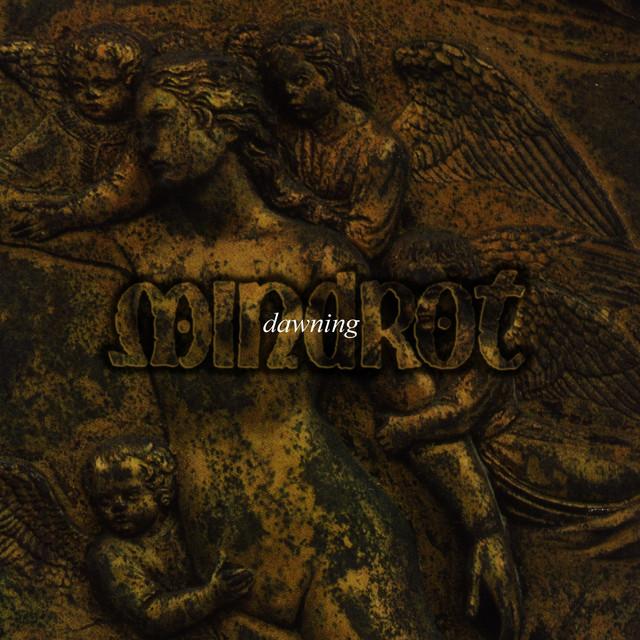
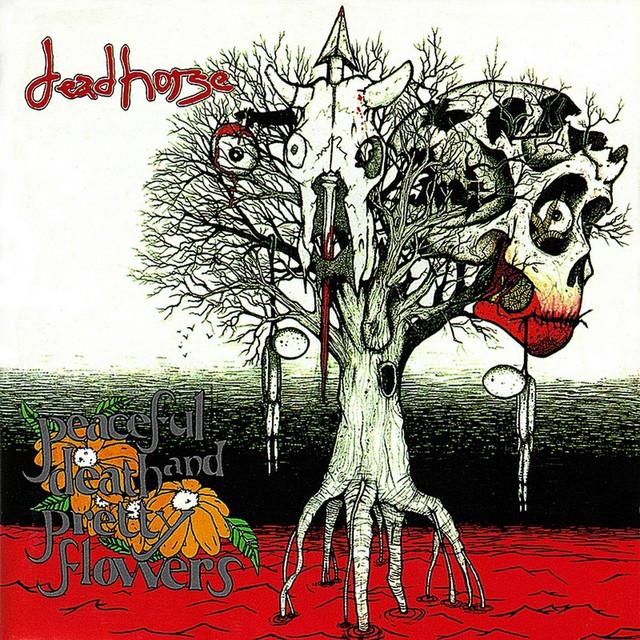
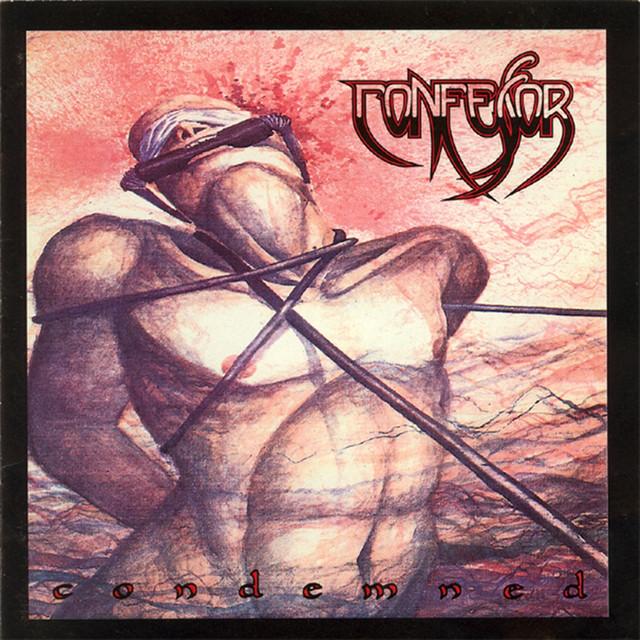
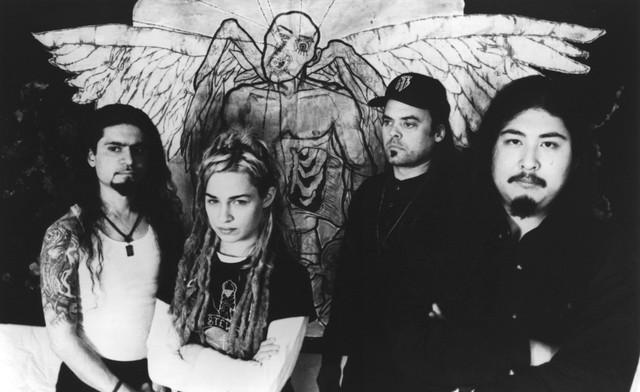
Crisis’ Spotify BioBridging the gap between Faith no More, Killing Joke and Slayer, New York art-metal troupe Crisis is fronted by charismatic and eccentric vocalist Karyn Crisis, whose schizophrenic vocal stylings (including everything from melodic singing to death-grunts to impulsive squeaks and squawks) simply defied description. Formed in the early 90's, Crisis was also a multi-cultural stew, throwing Pakistani guitarist Afzaal Nasiruddeen, Taiwanese bassist Gia Chuan Wang and American drummer Fred Waring into a musical melting pot of frightening proportions, first put on public display via 1994's 8 Convulsions L.P. Their landmark second opus Deathshead Extermination followed two years later and it's fair to say that its head-spinning songwriting complexity and unmitigated brutality set the underground metal world on its ear, if not much else. The same was true of 1997's somewhat more restrained The Hollowing, but a long silence descended until 2001, when it was announced that the band was finally… set for a comeback under a different name, that being Skullsick Nation. This announcement was retracted only a year later, however, and after welcoming guitarist/drummer Jywanza Hobson, Crisis began work on a fourth album. On a side note, Karyn Crisis has also garnered many followers for her work as a leather-smith. ~ Eduardo Rivadavia, Rovi
Viberate is a music analytics platform built for A&Rs, artist managers, labels, booking agents, marketers, and artists.
It helps music professionals track artist growth, analyze audience data, monitor playlist activity, compare artists, follow song performance, and identify opportunities across the music market.
Public artist pages provide a free preview of selected artist data. Paid plans provide access to deeper analytics, historical data, charts, comparisons, playlist tools, exports, alerts, reports, and additional professional features.
Yes. Public Viberate artist pages provide selected artist analytics and music data for free.
Viberate also offers a 7-day free trial of the full platform. A credit card is required to start the trial. The trial includes access to the complete product so users can test deeper artist analytics, historical views, playlist insights, comparisons, charts, exports, alerts, and reporting features before choosing a paid plan.
Viberate provides artist analytics across streaming, playlists, social media, video, radio airplay, songs, and audience markets.
Users can analyze Spotify performance, Spotify and Apple Music playlists, YouTube activity, TikTok and Instagram growth, radio spins, song performance, audience locations, demographics, rankings, and overall artist momentum.
Artist profiles also connect to music charts, similar artists, and comparison tools, helping users benchmark performance and evaluate artists in context.
Viberate updates key artist and track data daily.
For followed artists and tracks, selected data is refreshed multiple times per day. This helps teams monitor playlist changes, streaming movement, audience growth, releases, and campaign performance with more current data.
Update frequency can vary depending on the metric and data source.
Yes. Viberate lets users compare up to five artists side by side across streaming, social media, audience, and engagement metrics.
Users can compare fanbase growth, audience demographics, locations, Spotify performance, social metrics, and other artist data over selected time periods.
Artist comparison can be used for A&R scouting, benchmarking, booking decisions, campaign planning, and evaluating artists with similar audiences or market positions.