Crepitation

Metal
Grindcore
 Viberate Rank: 246766
 Viberate Rank: 246766
 Monthly ListenersFollowers
 Subscribers
 Followers
 Followers
 FansTop Spotify Songs
| Track | 7-Day Streams | |
|---|---|---|
1 | 338 | |
2 | 274 | |
3 | 145 | |
4 | 126 | |
5 | 80 |
Top YouTube VideosMonthly ListenersFeatured in Playlists| Playlist | Followers | |
|---|---|---|
1 | BRUTAL DEATH METAL / SLAM / GOREGRIND dkdogukandk🇺🇸 | 19.24K |
2 | Slamming Brutal Death Metal Tyler Wing | 15.35K |
3 |  SLAMMING BRUTAL DEATH METAL Duncan Bentley | 8.16K |
4 |  Slam metal Midwestern Tea | 4.26K |
5 |  New Deathcore 2026 RIFF CULT | 4.21K |
Audience| City | Monthly Listeners | |
|---|---|---|
1 | | 29 |
2 | | 23 |
3 |  | 20 |
4 |  | 16 |
5 | | 15 |
See full performance history, audience data, playlist activity, rankings, comparisons, and more in Viberate music analytics. Start with a free trial, then continue with a paid plan.
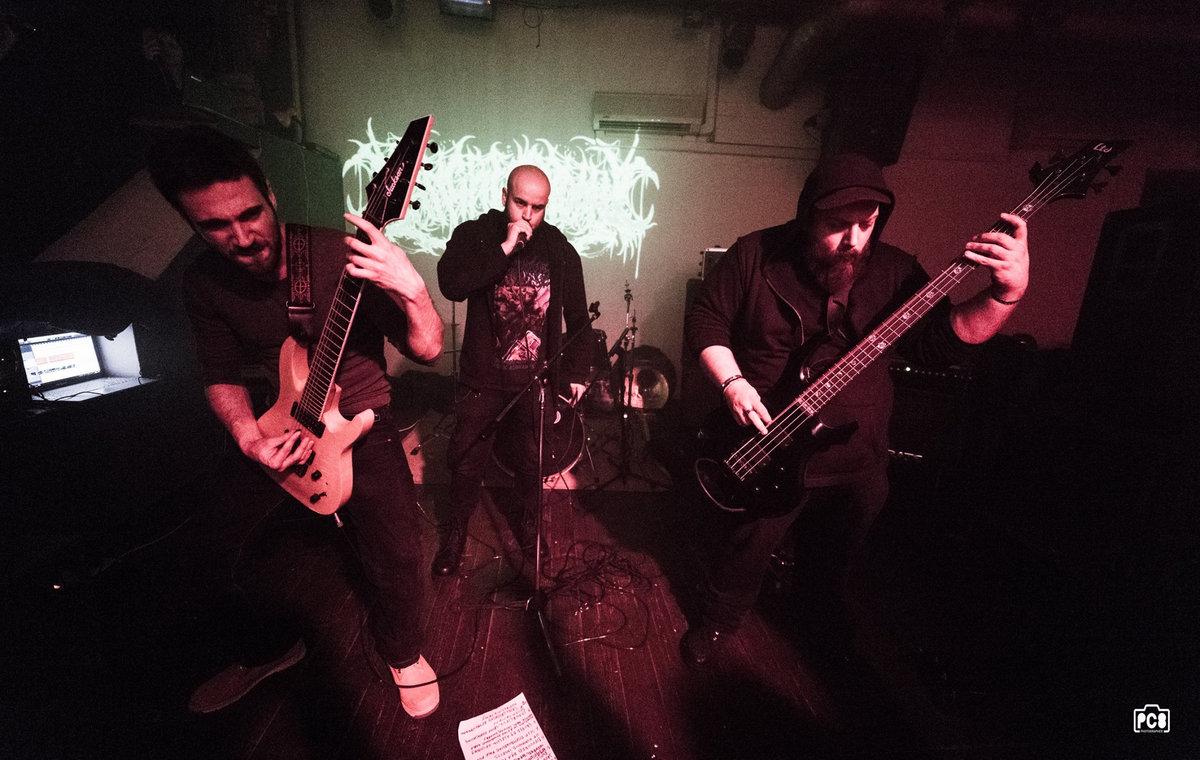
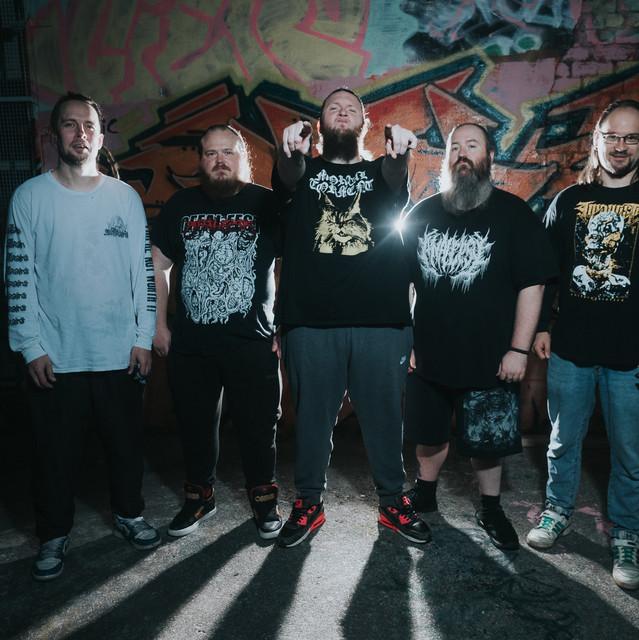
Crepitation’s Spotify BioCrepitation is a brutal death-metal outfit from the UK, originally formed in Manchester in late 2005 and later relocating to Liverpool. Known for their over-the-top gore-themed lyrics and an extreme sound that blends slam, grind, tech metal, and parody, they have built a reputation for being both vicious and strangely humorous.
Their early years saw a rotating line-up: the band began as a bedroom project, and by 2006 they had began playing live after releasing a promo CD. They shared stages with numerous heavy hitters in the extreme metal world, including Immolation, Dying Fetus, and Skinless.
After a brief hiatus between 2010 and 2013, Crepitation reformed and released their debut full-length The Violence of the Slams via Amputated Vein Records. Their 2023 sophomore album, Monstrous Eruption of Impetuous Preposterosity, marked a further evolution of their sound — it’s faster, more technical, sillier, and more extreme than ever.
Lyrically and musically, Crepitation don’t take… themselves too seriously, yet they are respected in the UK death-metal underground for delivering crushing riffs, inhuman vocals, and a live show that’s as intense as it is tongue-in-cheek.
Viberate is a music analytics platform built for A&Rs, artist managers, labels, booking agents, marketers, and artists.
It helps music professionals track artist growth, analyze audience data, monitor playlist activity, compare artists, follow song performance, and identify opportunities across the music market.
Public artist pages provide a free preview of selected artist data. Paid plans provide access to deeper analytics, historical data, charts, comparisons, playlist tools, exports, alerts, reports, and additional professional features.
Yes. Public Viberate artist pages provide selected artist analytics and music data for free.
Viberate also offers a 7-day free trial of the full platform. A credit card is required to start the trial. The trial includes access to the complete product so users can test deeper artist analytics, historical views, playlist insights, comparisons, charts, exports, alerts, and reporting features before choosing a paid plan.
Viberate provides artist analytics across streaming, playlists, social media, video, radio airplay, songs, and audience markets.
Users can analyze Spotify performance, Spotify and Apple Music playlists, YouTube activity, TikTok and Instagram growth, radio spins, song performance, audience locations, demographics, rankings, and overall artist momentum.
Artist profiles also connect to music charts, similar artists, and comparison tools, helping users benchmark performance and evaluate artists in context.
Viberate updates key artist and track data daily.
For followed artists and tracks, selected data is refreshed multiple times per day. This helps teams monitor playlist changes, streaming movement, audience growth, releases, and campaign performance with more current data.
Update frequency can vary depending on the metric and data source.
Yes. Viberate lets users compare up to five artists side by side across streaming, social media, audience, and engagement metrics.
Users can compare fanbase growth, audience demographics, locations, Spotify performance, social metrics, and other artist data over selected time periods.
Artist comparison can be used for A&R scouting, benchmarking, booking decisions, campaign planning, and evaluating artists with similar audiences or market positions.