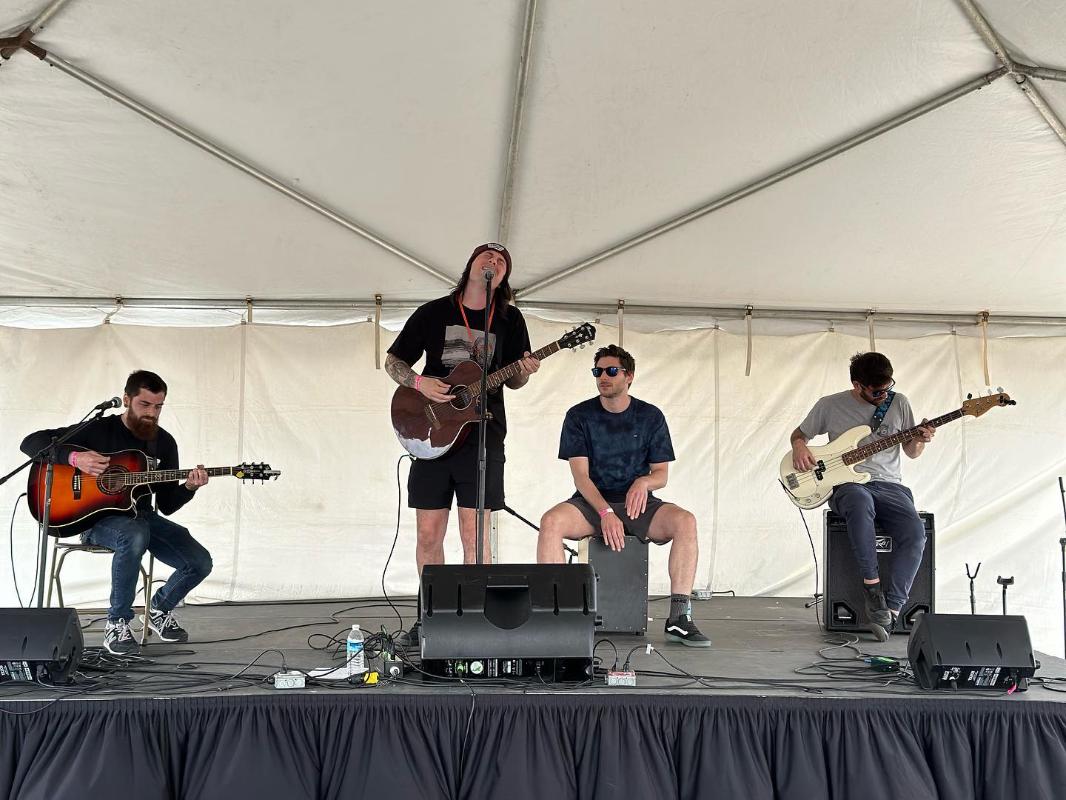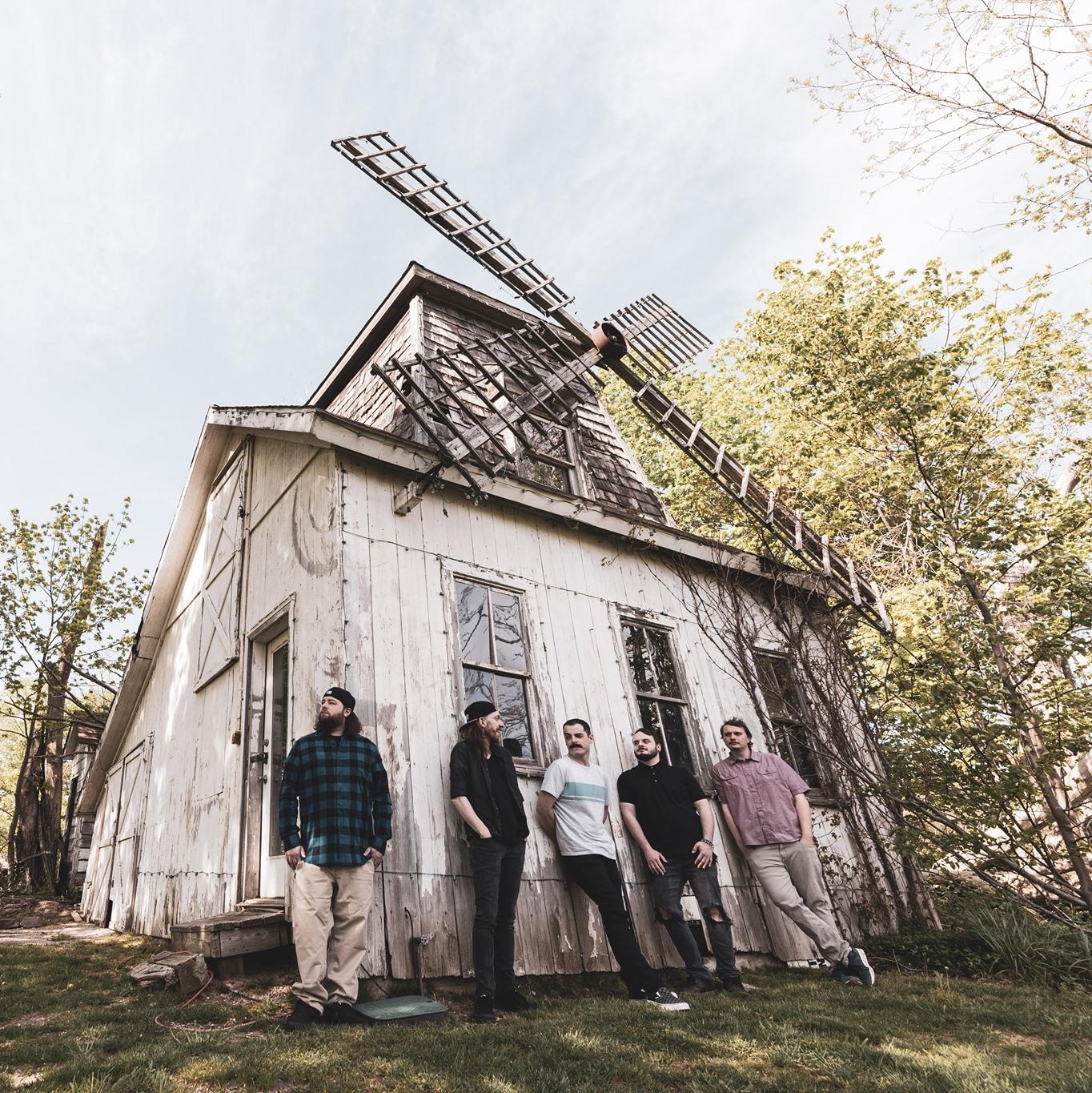
Crash The Calm

Rock
Alternative Rock
Post Hardcore
 Viberate Rank: 400665
 Viberate Rank: 400665
 Monthly ListenersFollowers
 Subscribers
 Followers
 Followers
 FansTop Spotify Songs
| Track | 7-Day Streams | |
|---|---|---|
1 | 44 | |
2 | 23 | |
3 | 20 | |
4 | 15 | |
5 | 13 |
Top YouTube VideosMonthly ListenersFeatured in Playlists| Playlist | Followers | |
|---|---|---|
1 | Sem perfil | 183.95K |
2 |  ROCK 90S INGLES 1297361113 | 84.22K |
3 |  New Pop Punk & Emo Tracks Jesea Lee | 15.55K |
4 |  New Emo Tracks Jesea Lee | 6.63K |
Audience| City | Monthly Listeners | |
|---|---|---|
1 | | 20 |
2 | | 15 |
3 | | 7 |
4 | | 7 |
5 |  | 5 |
See full performance history, audience data, playlist activity, rankings, comparisons, and more in Viberate music analytics. Start with a free trial, then continue with a paid plan.
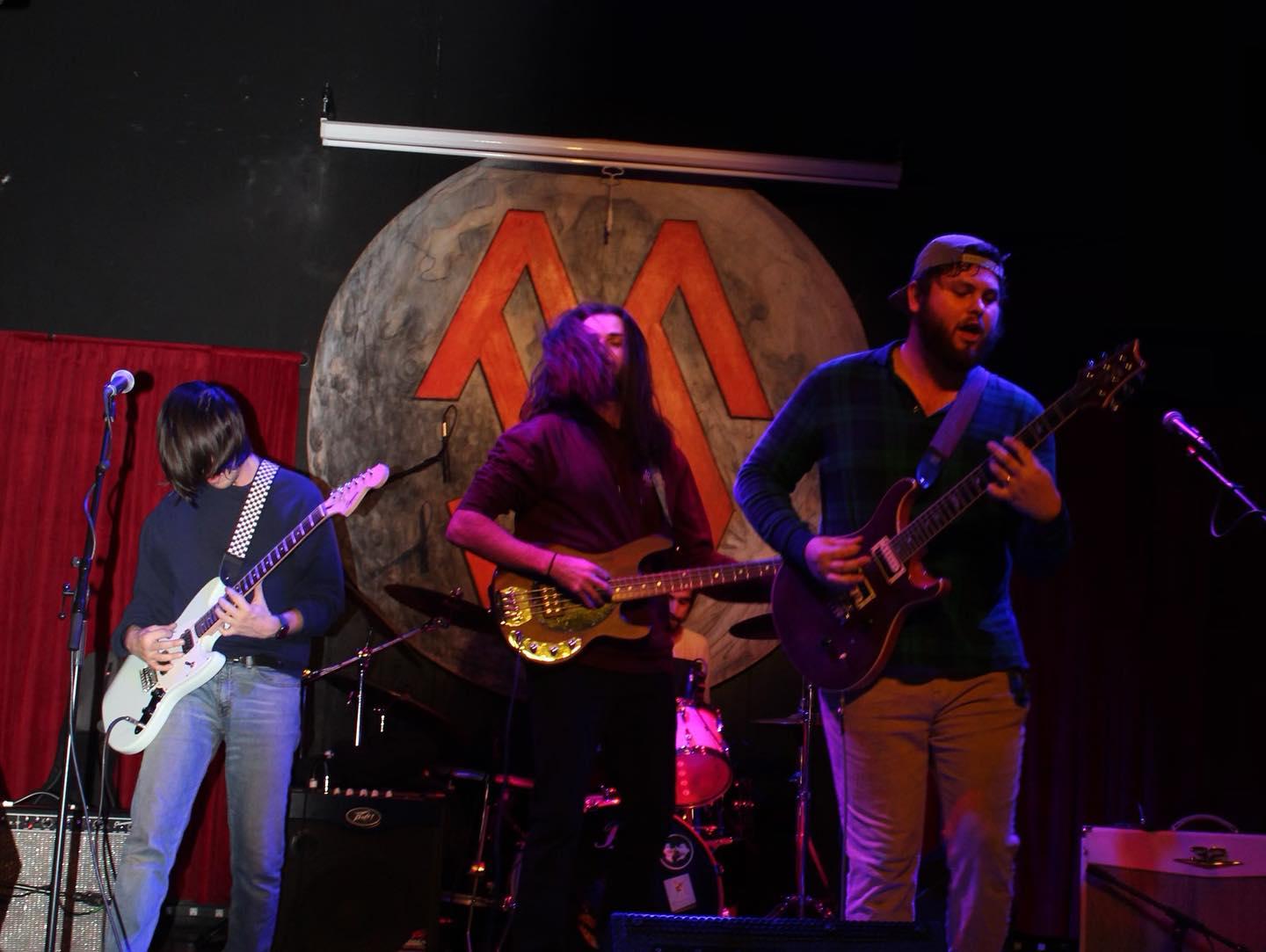
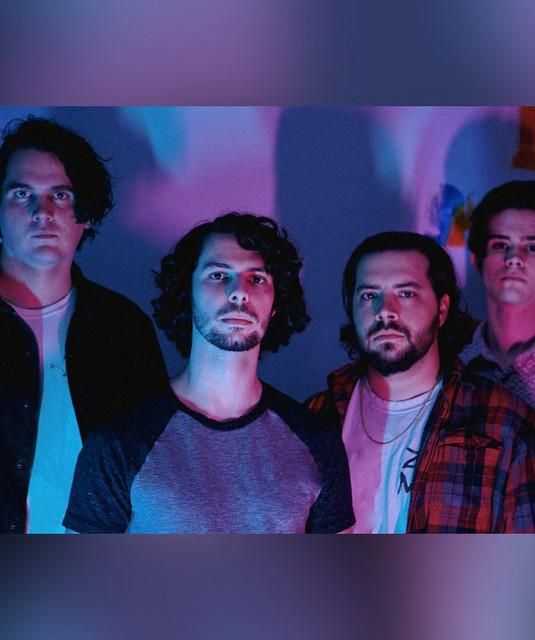
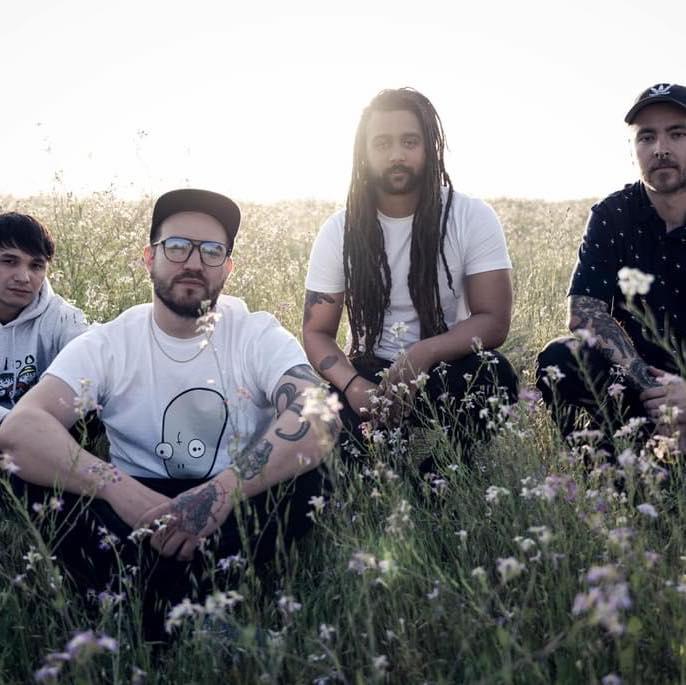
Crash The Calm’s Spotify BioCrash The Calm was formed in late 2014. After releasing their debut single "Holes" in 2015, which was produced by Phil Douglas of Iron Chic and Latterman, the band steadily performed and toured throughout the year before catching the eye of Long Island-based label Downport Records. The band began recording their debut full length, How’ve You Been?, at VuDu Studios with Mike Watts (Dear Hunter, Hail The Sun, O’Brother), Nick Starrantino (Pollyanna, The Republic of Wolves) and Dom Nastasi. How've You Been? was released in 2017 on Downport Records, featuring the singles “The Ambient Sound of Traffic” and “Irish Exit”. The band then released a 4 song split-EP with Long Island post-hardcore band Staleworth in 2018, also on Downport Records.
The band entered the studio again in 2019 at Westfall Recordings (Johnny Booth, Moon Tooth, Dr Acula) with Anthony Lopardo and Ray Marte for their follow up release. In October 2020, they released the single "Devils" and announced the upcoming LP A Town… Named Nowhere, an 11-song concept record which, in short, is about a town suffering from tragedy during the dust bowl era in the United States.
After parting ways with their original vocalist, the band returned to the studio in 2023 with a new singer, this time self-recording and producing. Lifeless Sounds, an EP of 8 songs, draws influence from the band’s past releases while bringing new life to the band’s sound.
Viberate is a music analytics platform built for A&Rs, artist managers, labels, booking agents, marketers, and artists.
It helps music professionals track artist growth, analyze audience data, monitor playlist activity, compare artists, follow song performance, and identify opportunities across the music market.
Public artist pages provide a free preview of selected artist data. Paid plans provide access to deeper analytics, historical data, charts, comparisons, playlist tools, exports, alerts, reports, and additional professional features.
Yes. Public Viberate artist pages provide selected artist analytics and music data for free.
Viberate also offers a 7-day free trial of the full platform. A credit card is required to start the trial. The trial includes access to the complete product so users can test deeper artist analytics, historical views, playlist insights, comparisons, charts, exports, alerts, and reporting features before choosing a paid plan.
Viberate provides artist analytics across streaming, playlists, social media, video, radio airplay, songs, and audience markets.
Users can analyze Spotify performance, Spotify and Apple Music playlists, YouTube activity, TikTok and Instagram growth, radio spins, song performance, audience locations, demographics, rankings, and overall artist momentum.
Artist profiles also connect to music charts, similar artists, and comparison tools, helping users benchmark performance and evaluate artists in context.
Viberate updates key artist and track data daily.
For followed artists and tracks, selected data is refreshed multiple times per day. This helps teams monitor playlist changes, streaming movement, audience growth, releases, and campaign performance with more current data.
Update frequency can vary depending on the metric and data source.
Yes. Viberate lets users compare up to five artists side by side across streaming, social media, audience, and engagement metrics.
Users can compare fanbase growth, audience demographics, locations, Spotify performance, social metrics, and other artist data over selected time periods.
Artist comparison can be used for A&R scouting, benchmarking, booking decisions, campaign planning, and evaluating artists with similar audiences or market positions.