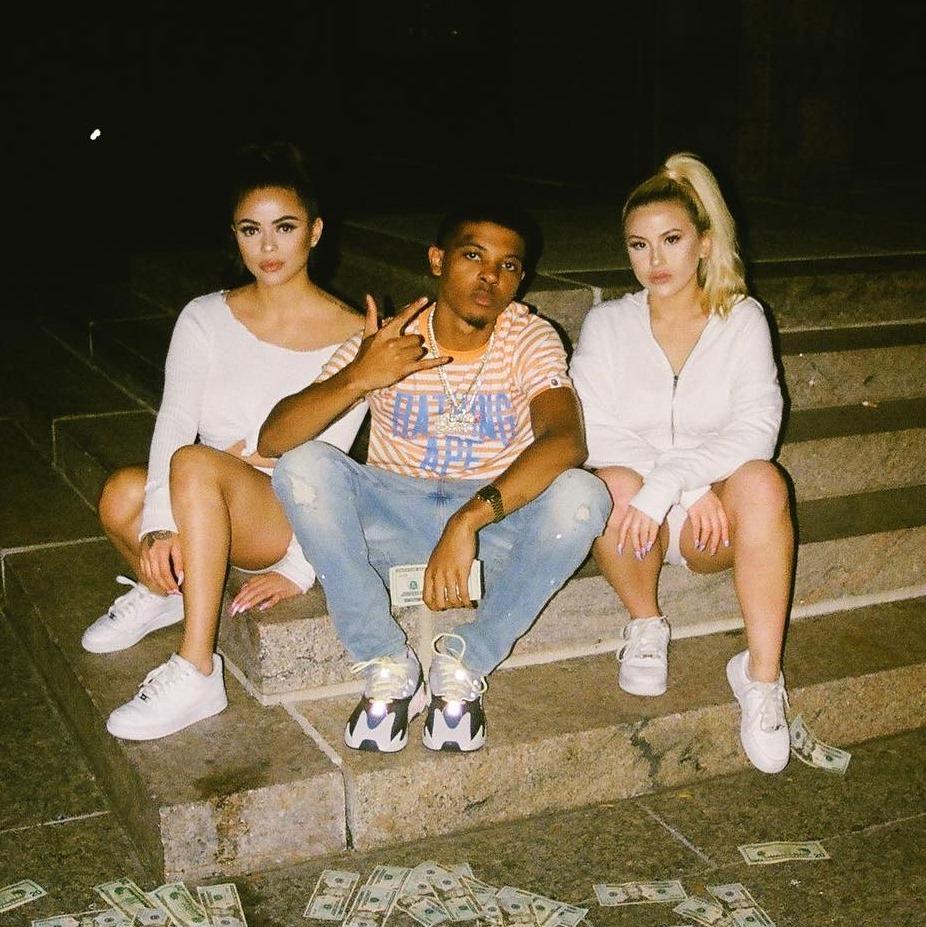
CRASH RARRI

Hip Hop
Trap
 Viberate Rank: 140483
 Viberate Rank: 140483
 Monthly ListenersFollowers
 Subscribers
 Followers
 Followers
 FansTop Spotify Songs
| Track | 7-Day Streams | |
|---|---|---|
1 | 3.01K | |
2 | 1.38K | |
3 | 1.04K | |
4 | 532 | |
5 | 504 |
Top YouTube VideosMonthly ListenersFeatured in Playlists| Playlist | Followers | |
|---|---|---|
1 |  New Rap 2021 D Media | 118.25K |
2 | Sad Playlist D Media | 36.21K |
3 | D Media | 35.43K |
4 | D Media | 34.62K |
5 |  Fortnite Montage Songs 2025 Elevating Sounds | 33.49K |
Audience| City | Monthly Listeners | |
|---|---|---|
1 | | 402 |
2 | | 336 |
3 |  | 284 |
4 | | 236 |
5 | | 190 |
See full performance history, audience data, playlist activity, rankings, comparisons, and more in Viberate music analytics. Start with a free trial, then continue with a paid plan.
CRASH RARRI’s Spotify BioWith roots in the Southside of Columbus, Ohio, Crash Rarri hasn’t been in the game very long, and yet he's already caught the eye of major labels and musical pioneers. With breakout hits like “What Dey Seem,” “2outh2id3,” and “Used 2,”. Merging elements of Chicago drill, Atlanta trap, and Florida’s booming lo-fi SoundCloud stylings, his undeniable knack for catchy hooks and sonic personality sets him apart. Crash Rarri’s ability to seamlessly transition from hard-hitting trap to a softer 808-infused ballad is met with his ability to maintain a fine balance between street storytelling and authentic vulnerability, all while staying true to his upbringing.
Influenced by legends like Gucci Mane and Kanye. Crash Rarri has similarly overcome a great deal of adversity. Trapping from an early age as a means of survival in Columbus’ Southfield neighborhood, Crash Rarri paved his own way despite the naysayers. The Ohio rapper puts on for small-town kids and underdogs — he wants to be a beacon of… hope, and a symbol for the youth who dream big. “I’m the voice for the kid that hops off that porch in that no-name city, that kid that’s always been overlooked because nobody ever cared about what they had goin’,” he says. His gritty, captivating and blue toned visuals exemplify this — Crash Rarri wants his fans to live and breathe his hometown and his reality. “I’m the voice for people that want to be something bigger and greater than everything and everyone that’s around them.”
Viberate is a music analytics platform built for A&Rs, artist managers, labels, booking agents, marketers, and artists.
It helps music professionals track artist growth, analyze audience data, monitor playlist activity, compare artists, follow song performance, and identify opportunities across the music market.
Public artist pages provide a free preview of selected artist data. Paid plans provide access to deeper analytics, historical data, charts, comparisons, playlist tools, exports, alerts, reports, and additional professional features.
Yes. Public Viberate artist pages provide selected artist analytics and music data for free.
Viberate also offers a 7-day free trial of the full platform. A credit card is required to start the trial. The trial includes access to the complete product so users can test deeper artist analytics, historical views, playlist insights, comparisons, charts, exports, alerts, and reporting features before choosing a paid plan.
Viberate provides artist analytics across streaming, playlists, social media, video, radio airplay, songs, and audience markets.
Users can analyze Spotify performance, Spotify and Apple Music playlists, YouTube activity, TikTok and Instagram growth, radio spins, song performance, audience locations, demographics, rankings, and overall artist momentum.
Artist profiles also connect to music charts, similar artists, and comparison tools, helping users benchmark performance and evaluate artists in context.
Viberate updates key artist and track data daily.
For followed artists and tracks, selected data is refreshed multiple times per day. This helps teams monitor playlist changes, streaming movement, audience growth, releases, and campaign performance with more current data.
Update frequency can vary depending on the metric and data source.
Yes. Viberate lets users compare up to five artists side by side across streaming, social media, audience, and engagement metrics.
Users can compare fanbase growth, audience demographics, locations, Spotify performance, social metrics, and other artist data over selected time periods.
Artist comparison can be used for A&R scouting, benchmarking, booking decisions, campaign planning, and evaluating artists with similar audiences or market positions.