Crash Course In Science

Electronic
Other Electronic Music
Cold wave
 Viberate Rank: 148553
 Viberate Rank: 148553
 Monthly ListenersFollowers
 Subscribers
 Followers
 Followers
 FansTop Spotify Songs
| Track | 7-Day Streams | |
|---|---|---|
1 | 2.80K | |
2 | 2.17K | |
3 | 1.42K | |
4 | 1.31K | |
5 | 1.26K |
Top YouTube VideosMonthly ListenersFeatured in Playlists| Playlist | Followers | |
|---|---|---|
1 | Post-Punk Essentials Vol. 1 Definitive Gaze | 54.37K |
2 |  Caribou - The Longest Mixtape: 1000+ Songs For You Caribou | 53.23K |
3 |  Aphex Twin: [mostly mellow] for Supreme Supreme | 44.15K |
4 |  Analog Souls: Indie Dance, Dark Disco, Nu Italo & EBM Holy Moly | 30.09K |
5 |  Industrial Goth Club floweredcorpse | 20.86K |
Audience| City | Monthly Listeners | |
|---|---|---|
1 | | 420 |
2 |  | 378 |
3 |  | 337 |
4 | | 292 |
5 |  | 291 |
See full performance history, audience data, playlist activity, rankings, comparisons, and more in Viberate music analytics. Start with a free trial, then continue with a paid plan.
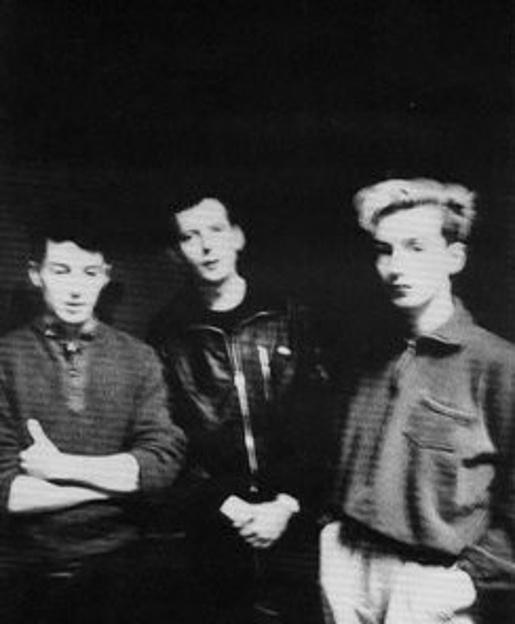
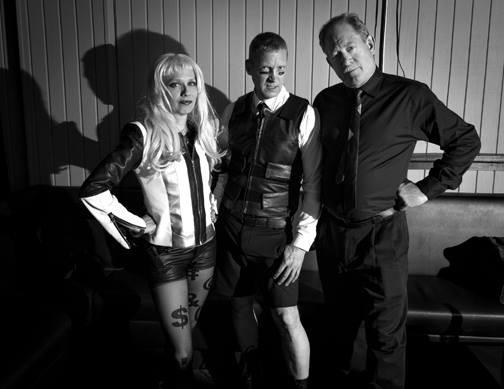
Crash Course In Science’s Spotify BioCrash Course in Science are a pioneering minimal synth trio from Philadelphia. Their inventive, noisy electropunk songs have been a significant influence on the electroclash scene and numerous left-field techno and electronic acts. They briefly existed for a few years during the late '70s and early '80s, and only released two EPs before disbanding. Decades later, after their music had developed a cult following, they re-formed and issued Near Marineland, a full-length recorded in 1981. A second album titled Situational Awareness appeared in 2017.
The band was formed in 1979 by lead vocalist Dale Feliciello, Mallory Yago, and Michael Zodorozny. Inspired by performance art and the punk scene, they began to write quirky songs about household items, utilizing extremely rudimentary drum machines, toy instruments, and kitchen appliances. The group's debut release, the 7" EP "Cakes in the Home," appeared on Go Go Records in 1979; the record was given a U.K. release the following year, but with… the silly, appliance-abusing "Kitchen Motors" as the A-side. In 1981, the group released the four-song EP Signals from Pier Thirteen on Press Records. The band performed numerous concerts around the New York and Philadelphia areas, and appeared on the New Jersey-based cult television program The Uncle Floyd Show several times. They recorded a full-length entitled Near Marineland in 1981, but the album wasn't mixed or released at the time, and the group became inactive.
Over the years, Crash Course in Science's tracks became cult classics among techno and electro DJs, helping to influence the early-2000s electroclash scene and bands such as Adult. Terence Fixmer's labels Planete Rouge and From Jupiter released remix 12"s of the trio's songs "Cardboard Lamb" and "Flying Turns," including remixes from Vitalic, Fixmer, and CCIS themselves. In 2009, the German label Vinyl-On-Demand released a box set including both of the band's EPs, their fully mixed album, live recordings, rehearsals, and demos.
The group became an active performing unit again, playing at small venues and galleries in America as well as festivals across Europe. In 2011, the Miami-based IDM label Schematic issued Signals from Pier Thirteen and Near Marineland digitally. San Francisco-based Dark Entries gave Signals its first stand-alone vinyl reissue in 2014, and two years later the label released "Jump Over Barrels" (originally from Near Marineland) as a 12" single, including early versions of the song as well as a remix by Tadd Mullinix under his Charles Manier guise. In 2017, Crash Course in Science's full-length Situational Awareness was released by the Dutch label Electronic Emergencies. Dark Entries reissued Near Marineland on vinyl, with several previously unreleased tracks, in 2024. ~ Paul Simpson, Rovi
Viberate is a music analytics platform built for A&Rs, artist managers, labels, booking agents, marketers, and artists.
It helps music professionals track artist growth, analyze audience data, monitor playlist activity, compare artists, follow song performance, and identify opportunities across the music market.
Public artist pages provide a free preview of selected artist data. Paid plans provide access to deeper analytics, historical data, charts, comparisons, playlist tools, exports, alerts, reports, and additional professional features.
Yes. Public Viberate artist pages provide selected artist analytics and music data for free.
Viberate also offers a 7-day free trial of the full platform. A credit card is required to start the trial. The trial includes access to the complete product so users can test deeper artist analytics, historical views, playlist insights, comparisons, charts, exports, alerts, and reporting features before choosing a paid plan.
Viberate provides artist analytics across streaming, playlists, social media, video, radio airplay, songs, and audience markets.
Users can analyze Spotify performance, Spotify and Apple Music playlists, YouTube activity, TikTok and Instagram growth, radio spins, song performance, audience locations, demographics, rankings, and overall artist momentum.
Artist profiles also connect to music charts, similar artists, and comparison tools, helping users benchmark performance and evaluate artists in context.
Viberate updates key artist and track data daily.
For followed artists and tracks, selected data is refreshed multiple times per day. This helps teams monitor playlist changes, streaming movement, audience growth, releases, and campaign performance with more current data.
Update frequency can vary depending on the metric and data source.
Yes. Viberate lets users compare up to five artists side by side across streaming, social media, audience, and engagement metrics.
Users can compare fanbase growth, audience demographics, locations, Spotify performance, social metrics, and other artist data over selected time periods.
Artist comparison can be used for A&R scouting, benchmarking, booking decisions, campaign planning, and evaluating artists with similar audiences or market positions.