Cranes

Rock
Alternative Rock
Dream Pop
 Viberate Rank: 102345
 Viberate Rank: 102345
 Monthly ListenersFollowers
 Subscribers
 Followers
 Followers
 FansTop Spotify Songs
| Track | 7-Day Streams | |
|---|---|---|
1 | 11.41K | |
2 | 9.94K | |
3 | 4.95K | |
4 | 4.49K | |
5 | 4.12K |
Top YouTube Videos| Video | 7-Day Views | |
|---|---|---|
1 | 4.26K | |
2 | 1.32K | |
3 | 1.02K | |
4 | 655 | |
5 | 556 |
Monthly ListenersFeatured in Playlists| Playlist | Followers | |
|---|---|---|
1 |  Dark & Gothic Spotify | 976.09K |
2 |  Dreampop Classics Spotify | 659.70K |
3 |  Twin Peaks Vibes 📺 maddie f | 36.93K |
4 |  shoegaze essentials Heloísa | 33.14K |
5 |  glasshouse hymns ⚢☁︎ kj ⋆✶☽ | 32.78K |
Audience| City | Monthly Listeners | |
|---|---|---|
1 |  | 1.66K |
2 |  | 1.45K |
3 | | 1.17K |
4 | | 1.13K |
5 | | 1.00K |
See full performance history, audience data, playlist activity, rankings, comparisons, and more in Viberate music analytics. Start with a free trial, then continue with a paid plan.
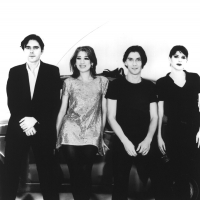
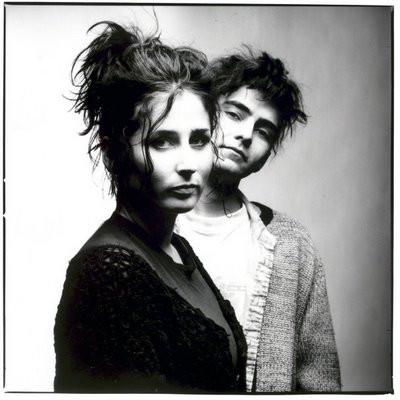
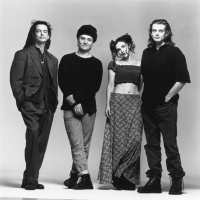
Cranes’ Spotify BioBritish group Cranes are known for their haunting, otherworldly sound, distinguished by the curious, childlike vocals of singer Alison Shaw. Though their music resists easy categorization and has evolved over the course of the group's career, their work is well regarded by fans of dream pop, gothic rock, darkwave, and related genres. They formed in the mid-'80s and initially had an abstract, quasi-industrial sound, featuring heavy drum machine beats and harsh, noisy guitars. Their full-length debut, 1991's Wings of Joy, was a more polished refinement of their ethereal style, and their most commercially successful efforts, 1993's Loved and 1994's Forever, contained their most accessible, pop-informed material. Following the relatively straightforward alternative rock of 1997's Population Four, Cranes returned from a brief hiatus with an updated lineup and a slightly more electronic sound for a trio of albums beginning with 2001's Future Songs. The band resumed performing in 2023, and… released several reissues and archival collections, including the 2024 box set Collected Works, Vol. 1 (1989-1997).
Cranes were founded by siblings Alison Shaw (vocals, bass, acoustic guitar) and Jim Shaw (guitar, bass, keyboards, drums) in Portsmouth, England in 1985; the two have remained the band's only consistent members. Heavily influenced by the Cure and Nick Cave as well as industrial acts like Foetus and the Young Gods, Cranes released their first demo cassette, mini-album Fuse, on Bite Back! in 1986. Self-Non-Self, another mini-album and the band's first vinyl release, appeared in 1989, at which point the band started gaining attention from famed DJ John Peel. They recorded two sessions for his radio show, and signed to the BMG-affiliated label Dedicated in 1990. By this point, the band's lineup had expanded to include multi-instrumentalist Mark Francombe and guitarist Matt Cope. Two EPs, Inescapable and Espero, were issued during the year, and the group appeared on the cover of Melody Maker. Wings of Joy, Cranes' full-length debut, arrived to positive reviews in 1991, and the group expanded their audience when they opened for the Cure on their world tour in 1992. Forever, the band's 1993 full-length, was their commercial breakthrough, in part due to the U.K. Top 30 success of the heartbreaking single "Jewel," which was given a transformative rework by the Cure's Robert Smith. Third album Loved followed in 1994, featuring another of the group's most memorable songs, "Shining Road," which also made the U.K. singles chart.
La Tragédie d'Oreste et Électre, an experimental work inspired by Jean-Paul Sartre's play Les Mouches, was released in a limited edition of 10,000 copies in 1996, though it was actually recorded during the same time period as Loved, and the two were initially intended to be issued together as a double album. Full-length Population Four, the band's only album with drummer Manu Ros, and EP Collection, Vol. 1 & 2 both appeared in 1997. However, Dedicated folded, and Cranes' lineup at the time disbanded. The Shaw siblings reformed Cranes in 2000, this time featuring guitarist/keyboardist Paul Smith, bassist Ben Baxter, and drummer Jon Callender. They launched their own Dadaphonic label, while issuing their music stateside on Instinct. Future Songs, which sounded thoroughly like Cranes but incorporated ambient and trip-hop influences, appeared in 2001, with the single "Submarine" including remixes by techno producers like Dietrich Schoenemann (Prototype 909) and Jack Dangers (Meat Beat Manifesto). In 2002, Spanish label Elefant released a 7" single containing two previously unreleased Cranes songs recorded during the late '90s. The band toured with the Cure again, and Live in Italy was issued in 2003. Continuing in the calmer, electronic-influenced direction of Future Songs, Particles & Waves was released in 2004 and followed by Cranes in 2008.
In 2023, Cranes performed their first concerts in 11 years. They also issued John Peel Sessions 1989-1990, and reissued Fuse on CD, vinyl, and digital for the first time in 2024. The same year, Cherry Red released the box set Collected Works, Vol. 1 (1989-1997), including nearly all of the band's material released by Dedicated. ~ Paul Simpson, Rovi
Viberate is a music analytics platform built for A&Rs, artist managers, labels, booking agents, marketers, and artists.
It helps music professionals track artist growth, analyze audience data, monitor playlist activity, compare artists, follow song performance, and identify opportunities across the music market.
Public artist pages provide a free preview of selected artist data. Paid plans provide access to deeper analytics, historical data, charts, comparisons, playlist tools, exports, alerts, reports, and additional professional features.
Yes. Public Viberate artist pages provide selected artist analytics and music data for free.
Viberate also offers a 7-day free trial of the full platform. A credit card is required to start the trial. The trial includes access to the complete product so users can test deeper artist analytics, historical views, playlist insights, comparisons, charts, exports, alerts, and reporting features before choosing a paid plan.
Viberate provides artist analytics across streaming, playlists, social media, video, radio airplay, songs, and audience markets.
Users can analyze Spotify performance, Spotify and Apple Music playlists, YouTube activity, TikTok and Instagram growth, radio spins, song performance, audience locations, demographics, rankings, and overall artist momentum.
Artist profiles also connect to music charts, similar artists, and comparison tools, helping users benchmark performance and evaluate artists in context.
Viberate updates key artist and track data daily.
For followed artists and tracks, selected data is refreshed multiple times per day. This helps teams monitor playlist changes, streaming movement, audience growth, releases, and campaign performance with more current data.
Update frequency can vary depending on the metric and data source.
Yes. Viberate lets users compare up to five artists side by side across streaming, social media, audience, and engagement metrics.
Users can compare fanbase growth, audience demographics, locations, Spotify performance, social metrics, and other artist data over selected time periods.
Artist comparison can be used for A&R scouting, benchmarking, booking decisions, campaign planning, and evaluating artists with similar audiences or market positions.