Craneium

Metal
Doom/Sludge Metal
Stoner Rock
 Viberate Rank: 348899
 Viberate Rank: 348899
 Monthly ListenersFollowers
 Subscribers
 Followers
 Followers
 FansTop Spotify Songs
| Track | 7-Day Streams | |
|---|---|---|
1 | 131 | |
2 | 93 | |
3 | 74 | |
4 | 51 | |
5 | 43 |
Top YouTube VideosMonthly ListenersFeatured in Playlists| Playlist | Followers | |
|---|---|---|
1 |  Stoner Rock A-Z boogievan | 24.16K |
2 |  Psychedelic / Stoner / Desert Rock 🍄 Jaimy | 20.24K |
3 |  psych stoner doom blues rock metal chris | 3.77K |
4 | Stoned Meadow of Doom Username. | 3.46K |
5 |  𝐏𝐬𝐲𝐜𝐡edelic 𝐒𝐭𝐨𝐧𝐞𝐫 𝐌𝐚𝐫𝐬𝐡 𝙎𝙩𝙤𝙢𝙥𝙞𝙣𝙜𝙇𝙡𝙖𝙢𝙖 | 3.18K |
Audience| City | Monthly Listeners | |
|---|---|---|
1 | | 37 |
2 |  | 35 |
3 |  | 25 |
4 | | 21 |
5 |  | 19 |
See full performance history, audience data, playlist activity, rankings, comparisons, and more in Viberate music analytics. Start with a free trial, then continue with a paid plan.
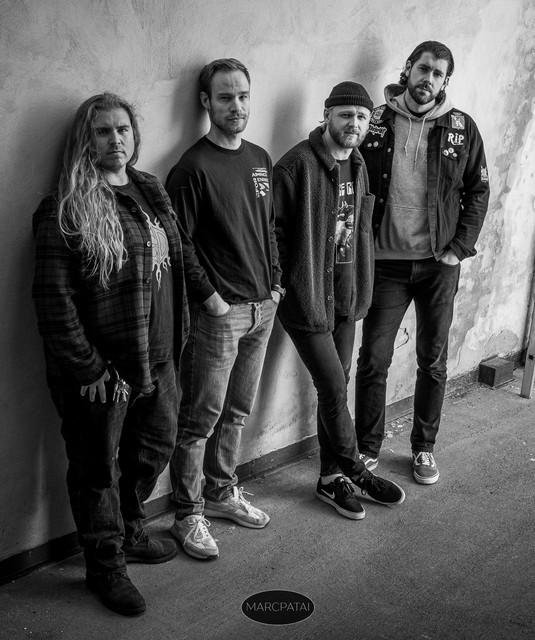
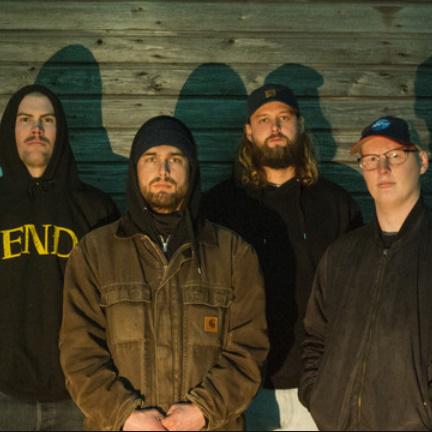
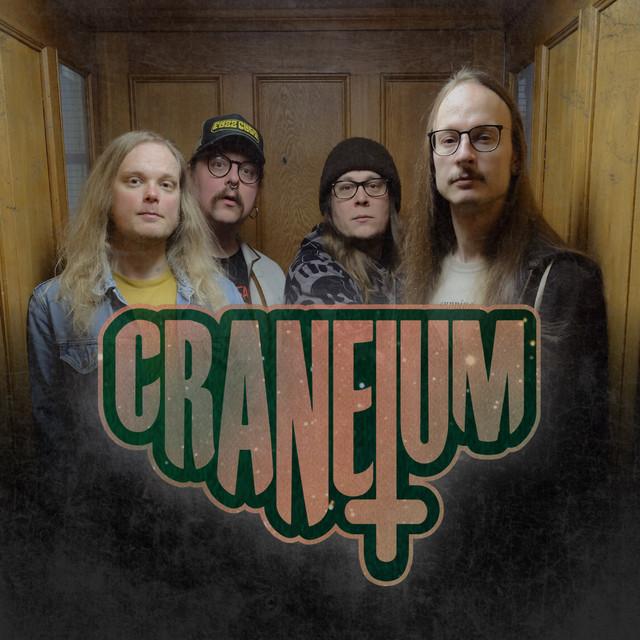
Craneium’s Spotify BioCRANEIUM doesn’t just play stoner rock—they cultivate it. From the flatlands of Finland, the band has spent over a decade tending to the heavy underground like devoted gardeners, pushing the genre’s boundaries while staying true to its roots.
Their sound fuses hypnotic grooves, fuzz-drenched riffs, and soaring melodies into something unmistakably their own. Live, Craneium is an experience that has been described as a high without the drugs. They’re not just about volume; they’re about atmosphere, tension, and release.
Early on, Craneium was one of the first European bands to release music through Ripple Music—now a heavyweight in the global heavy scene. Albums like The Narrow Line and Unknown Heights built their reputation for genre-blurring, immersive songwriting.
Craneium’s latest full-length, Point of No Return (2024, The Sign Records), featured guest appearances from Robert Lamu (Skraeckoedlan) and Frida Eurenius (Spiral Skies).
The standalone single Empty Palaces was the start of… Craneium’s collaboration with Majestic Mountain Records and shows the bands constant desire to evolve—always underground, always heavy, and always their own.
2026 marks 15 years of Craneium — a milestone the band celebrates by returning to where it all began. To honor the journey, they’re releasing a revisited version of Ceasing To Exist from their debut album: a reflection of how far they’ve come, reshaped by time, experience, and the weight of countless stages.
Viberate is a music analytics platform built for A&Rs, artist managers, labels, booking agents, marketers, and artists.
It helps music professionals track artist growth, analyze audience data, monitor playlist activity, compare artists, follow song performance, and identify opportunities across the music market.
Public artist pages provide a free preview of selected artist data. Paid plans provide access to deeper analytics, historical data, charts, comparisons, playlist tools, exports, alerts, reports, and additional professional features.
Yes. Public Viberate artist pages provide selected artist analytics and music data for free.
Viberate also offers a 7-day free trial of the full platform. A credit card is required to start the trial. The trial includes access to the complete product so users can test deeper artist analytics, historical views, playlist insights, comparisons, charts, exports, alerts, and reporting features before choosing a paid plan.
Viberate provides artist analytics across streaming, playlists, social media, video, radio airplay, songs, and audience markets.
Users can analyze Spotify performance, Spotify and Apple Music playlists, YouTube activity, TikTok and Instagram growth, radio spins, song performance, audience locations, demographics, rankings, and overall artist momentum.
Artist profiles also connect to music charts, similar artists, and comparison tools, helping users benchmark performance and evaluate artists in context.
Viberate updates key artist and track data daily.
For followed artists and tracks, selected data is refreshed multiple times per day. This helps teams monitor playlist changes, streaming movement, audience growth, releases, and campaign performance with more current data.
Update frequency can vary depending on the metric and data source.
Yes. Viberate lets users compare up to five artists side by side across streaming, social media, audience, and engagement metrics.
Users can compare fanbase growth, audience demographics, locations, Spotify performance, social metrics, and other artist data over selected time periods.
Artist comparison can be used for A&R scouting, benchmarking, booking decisions, campaign planning, and evaluating artists with similar audiences or market positions.