Craig G

Hip Hop
Contemporary Hip Hop
 Viberate Rank: 153621
 Viberate Rank: 153621
 Monthly ListenersFollowers
 Subscribers
 Followers
 Followers
 FansTop Spotify Songs
| Track | 7-Day Streams | |
|---|---|---|
1 | 10.46K | |
2 | 3.90K | |
3 | 1.50K | |
4 | 376 | |
5 | 376 |
Top YouTube Videos| Video | 7-Day Views | |
|---|---|---|
1 | 561 | |
2 | 225 | |
3 | 224 | |
4 | 212 | |
5 | 132 |
Monthly ListenersFeatured in Playlists| Playlist | Followers | |
|---|---|---|
1 | Hip Hop I Grew Up On Mike Shinoda | 73.44K |
2 |  Boom Bap Classics Ville Kyyny | 60.44K |
3 | Rap Old School hugo_2k | 25.59K |
4 | 80's HIP HOP djbsol | 20.50K |
5 | Perks | 19.89K |
Audience| City | Monthly Listeners | |
|---|---|---|
1 |  | 300 |
2 |  | 289 |
3 |  | 283 |
4 |  | 200 |
5 | | 199 |
See full performance history, audience data, playlist activity, rankings, comparisons, and more in Viberate music analytics. Start with a free trial, then continue with a paid plan.
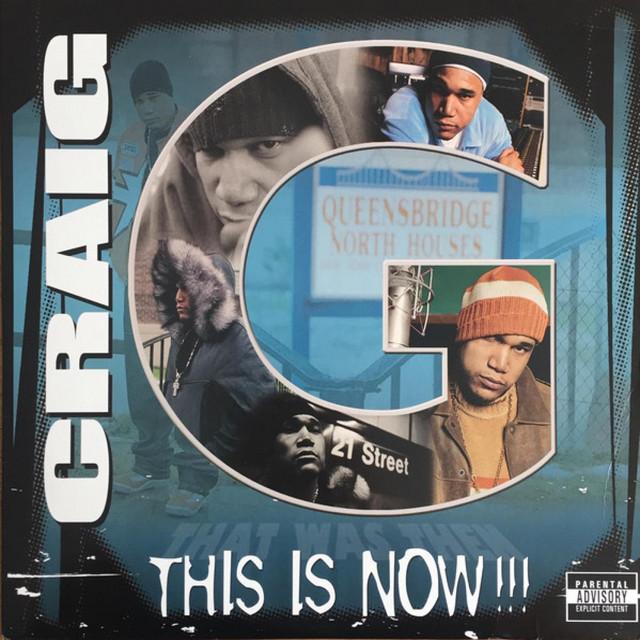
Craig G’s Spotify BioHe recorded the single "Shout Rap" with Marley Marl in 1985 at 12 years old and in 1988 recorded "The Symphony (song)" with the Juice Crew, described by Allmusic as "a landmark moment in the evolution of hardcore rap".He was then signed by Atlantic Records who released two albums, in 1989 and 1991, with little promotion After his experience with Atlantic his career went quiet for much of the 1990s although later in the decade he regained popularity with underground rap fans. He released another album in 2003 on the D&D label, This Is Now, featuring collaborations with Marley Marl, DJ Premier, and Da Beatminerz.
Craig G was a leading freestyle battle rapper, memorably battling Supernatural on several occasions, and in the early 2000s wrote and coordinated the battle verses used by Eminem and his opponents in the film 8 Mile. The next year he wrote the character Dangerous' lyrics in 50 Cent's feature film Get Rich or Die Tryin'
In 2008, he was part of a reunited Juice Crew, performing at… the A3C Hip Hop Festival in Atlanta, Georgia.
In 2012 he released his fourth solo album Ramblings Of An Angry Old Man. He was recording an as yet to be titled E.P. With Da Beatminerz Craig G dropped his fifth LP titled I Rap & Go Home on June 3, 2016. He recently leaked music from the project online
Viberate is a music analytics platform built for A&Rs, artist managers, labels, booking agents, marketers, and artists.
It helps music professionals track artist growth, analyze audience data, monitor playlist activity, compare artists, follow song performance, and identify opportunities across the music market.
Public artist pages provide a free preview of selected artist data. Paid plans provide access to deeper analytics, historical data, charts, comparisons, playlist tools, exports, alerts, reports, and additional professional features.
Yes. Public Viberate artist pages provide selected artist analytics and music data for free.
Viberate also offers a 7-day free trial of the full platform. A credit card is required to start the trial. The trial includes access to the complete product so users can test deeper artist analytics, historical views, playlist insights, comparisons, charts, exports, alerts, and reporting features before choosing a paid plan.
Viberate provides artist analytics across streaming, playlists, social media, video, radio airplay, songs, and audience markets.
Users can analyze Spotify performance, Spotify and Apple Music playlists, YouTube activity, TikTok and Instagram growth, radio spins, song performance, audience locations, demographics, rankings, and overall artist momentum.
Artist profiles also connect to music charts, similar artists, and comparison tools, helping users benchmark performance and evaluate artists in context.
Viberate updates key artist and track data daily.
For followed artists and tracks, selected data is refreshed multiple times per day. This helps teams monitor playlist changes, streaming movement, audience growth, releases, and campaign performance with more current data.
Update frequency can vary depending on the metric and data source.
Yes. Viberate lets users compare up to five artists side by side across streaming, social media, audience, and engagement metrics.
Users can compare fanbase growth, audience demographics, locations, Spotify performance, social metrics, and other artist data over selected time periods.
Artist comparison can be used for A&R scouting, benchmarking, booking decisions, campaign planning, and evaluating artists with similar audiences or market positions.