Cough

Metal
Doom/Sludge Metal
Stoner Rock
 Viberate Rank: 146975
 Viberate Rank: 146975
 Monthly ListenersFollowers
 Subscribers
 Followers
 Followers
 FansTop Spotify Songs
| Track | 7-Day Streams | |
|---|---|---|
1 | 12.78K | |
2 | 4.48K | |
3 | 1.52K | |
4 | 1.44K | |
5 | 790 |
Top YouTube VideosMonthly ListenersFeatured in Playlists| Playlist | Followers | |
|---|---|---|
1 | Stoner Metal corrynfleming | 37.07K |
2 |  Ultimate Sludge Metal Loudwire | 30.11K |
3 |  Sludge Metal sam | 22.61K |
4 |  Stoner Metal The Brick | 21.40K |
5 | /r/listentothis Andreas Karlsson | 21.13K |
Audience| City | Monthly Listeners | |
|---|---|---|
1 | | 406 |
2 | | 375 |
3 | | 366 |
4 |  | 309 |
5 |  | 290 |
See full performance history, audience data, playlist activity, rankings, comparisons, and more in Viberate music analytics. Start with a free trial, then continue with a paid plan.
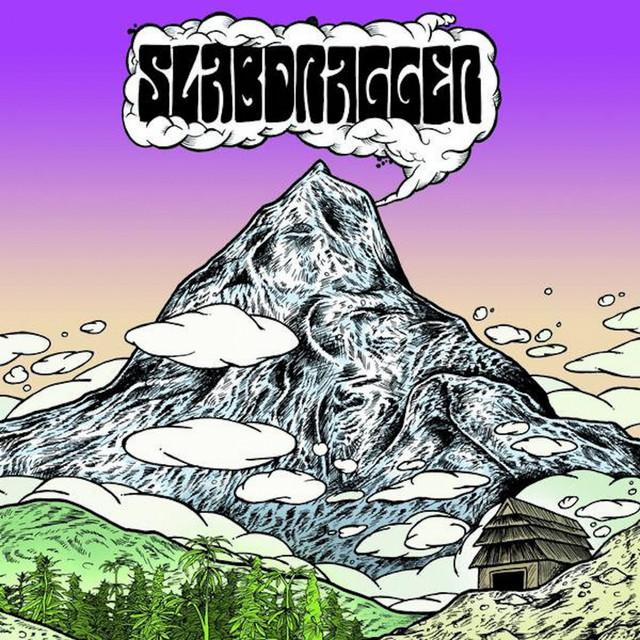
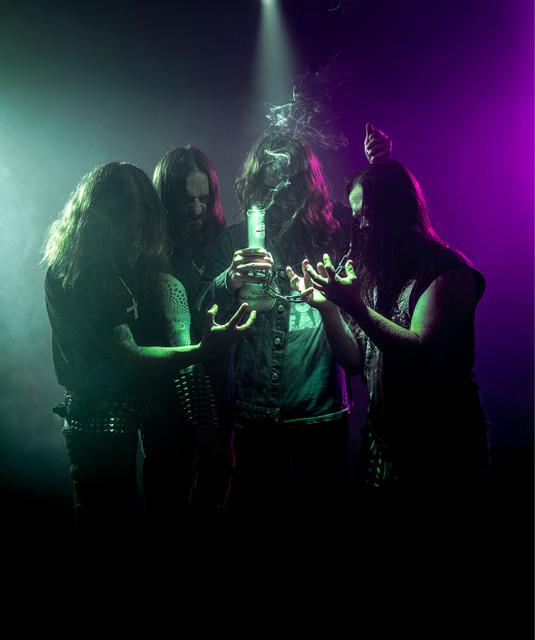
Cough’s Spotify BioThe band named Cough was conceived in Richmond, Virginia circa 2005, and took inspiration from traditional doom bands like Cathedral and Electric Wizard on the one hand and grimy sludge groups like Eyehategod and Buzzov-en on the other -- tossing in some psychedelic and space rock ingredients for good measure. Beginning with 2007's The Kingdom EP and 2008's Sigillum Luciferi album, bandmembers David Cisco (vocals, guitar), Parker Chandler (vocals, bass), Joseph Arcaro (drums), and, later, second guitarist Brandon Marcey steadily built a following and found themselves signed to Relapse Records for the release of 2010's sophomore LP, Ritual Abuse. A split EP with the Wounded Kings named An Introduction to the Black Arts followed later that year. Reflection of the Negative, another split EP, this time with fellow Richmond doomsayers Windhand, dropped in 2013, followed in 2016 by the band's long-awaited third studio long-player, Still They Pray. ~ Eduardo Rivadavia, Rovi
Viberate is a music analytics platform built for A&Rs, artist managers, labels, booking agents, marketers, and artists.
It helps music professionals track artist growth, analyze audience data, monitor playlist activity, compare artists, follow song performance, and identify opportunities across the music market.
Public artist pages provide a free preview of selected artist data. Paid plans provide access to deeper analytics, historical data, charts, comparisons, playlist tools, exports, alerts, reports, and additional professional features.
Yes. Public Viberate artist pages provide selected artist analytics and music data for free.
Viberate also offers a 7-day free trial of the full platform. A credit card is required to start the trial. The trial includes access to the complete product so users can test deeper artist analytics, historical views, playlist insights, comparisons, charts, exports, alerts, and reporting features before choosing a paid plan.
Viberate provides artist analytics across streaming, playlists, social media, video, radio airplay, songs, and audience markets.
Users can analyze Spotify performance, Spotify and Apple Music playlists, YouTube activity, TikTok and Instagram growth, radio spins, song performance, audience locations, demographics, rankings, and overall artist momentum.
Artist profiles also connect to music charts, similar artists, and comparison tools, helping users benchmark performance and evaluate artists in context.
Viberate updates key artist and track data daily.
For followed artists and tracks, selected data is refreshed multiple times per day. This helps teams monitor playlist changes, streaming movement, audience growth, releases, and campaign performance with more current data.
Update frequency can vary depending on the metric and data source.
Yes. Viberate lets users compare up to five artists side by side across streaming, social media, audience, and engagement metrics.
Users can compare fanbase growth, audience demographics, locations, Spotify performance, social metrics, and other artist data over selected time periods.
Artist comparison can be used for A&R scouting, benchmarking, booking decisions, campaign planning, and evaluating artists with similar audiences or market positions.