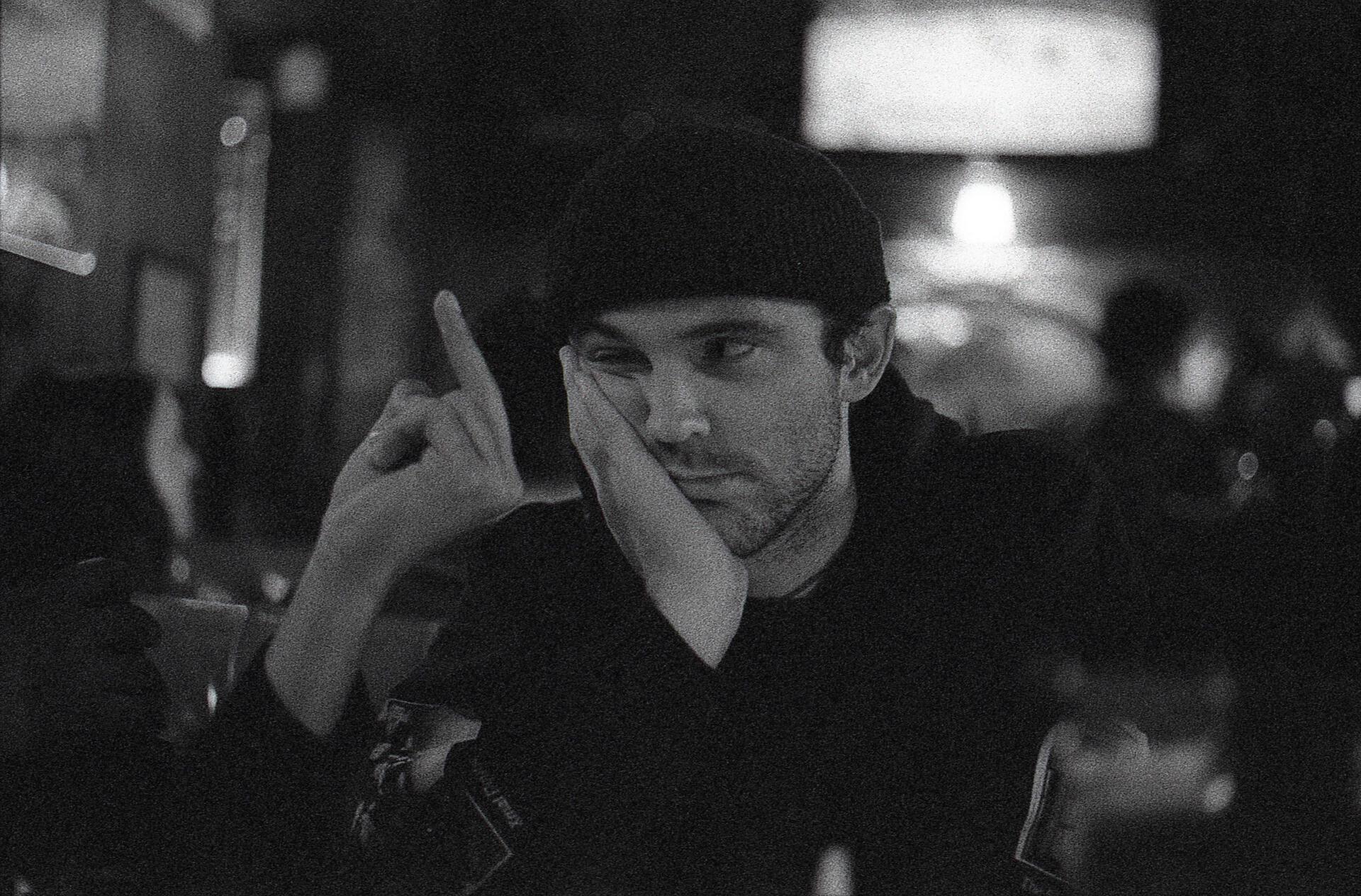
Corbin

R&B
Alternative R&B
Alternative Hip Hop
 Viberate Rank: 23812
 Viberate Rank: 23812
 Monthly ListenersFollowers
 Subscribers
 Followers
 Followers
 FansTop Spotify Songs
| Track | 7-Day Streams | |
|---|---|---|
1 | 691.84K | |
2 | 92.82K | |
3 | 64.08K | |
4 | 31.86K | |
5 | 22.12K |
Top YouTube Videos| Video | 7-Day Views | |
|---|---|---|
1 | 15.43K | |
2 | 9.51K | |
3 | 4.75K | |
4 | 4.11K | |
5 | 3.48K |
Monthly ListenersFeatured in Playlists| Playlist | Followers | |
|---|---|---|
1 |  This Is Joji Spotify | 726.28K |
2 |  Joji: Piss In The Wind + more Joji | 263.48K |
3 |  Sad Boi Hours Spiid3r | 145.42K |
4 |  Flume - Hi This Is Playlist Flume | 145.39K |
5 |  My Heart Physically Hurts. Pain. Masked Mortal | 111.67K |
Audience| City | Monthly Listeners | |
|---|---|---|
1 | | 12.65K |
2 |  | 10.86K |
3 | | 10.82K |
4 |  | 10.36K |
5 |  | 10.33K |
See full performance history, audience data, playlist activity, rankings, comparisons, and more in Viberate music analytics. Start with a free trial, then continue with a paid plan.
Corbin’s Spotify BioInitially known as Spooky Black before going by his first name, vocalist Corbin Smidzik gained a dedicated cult following for his bleak, funereal brand of lo-fi R&B and hip-hop. The reclusive artist has routinely refused interviews, letting his recordings and music videos do the talking. Born in Baltimore, Maryland but based in Saint Paul, Minnesota, he made his debut in 2013, when he was only 15 years old, with an EP titled Forest. Unlike his later material, the release featured Smidzik's rapping on every track, and was an exercise in horror-tinged hip-hop. This was followed in early 2014 by Black Silk, which marked his switch to R&B, debuting his smooth crooning voice. The endearingly amateur video for the track "Without You" became a viral sensation, and several websites named it one of the best songs of the year. Another release, Leaving, appeared that year, garnering comparisons to Yung Lean and King Krule. In addition, Smidzik formed a hip-hop/R&B group called the Stand4rd along… with Allan Kingdom, Psymun, and Bobby Raps. Their self-titled album appeared in November, and the group embarked on a sold-out headlining tour of the United States.
By the end of the year, Smidzik had dropped his original moniker and simply went by the name Corbin. He and Bobby Raps released an EP titled Couch Potato in 2015, but Corbin largely stayed quiet for the next two years. After unexpectedly releasing a song titled "Destrooy" in early 2017, his debut album Mourn appeared later in the year. Significantly more cathartic than much of his earlier work, with Corbin nearly shouting on several tracks, the album was produced by D33J and Shlohmo and was released by their collective, WeDidIt. The three artists then toured North America together. ~ Paul Simpson, Rovi
Viberate is a music analytics platform built for A&Rs, artist managers, labels, booking agents, marketers, and artists.
It helps music professionals track artist growth, analyze audience data, monitor playlist activity, compare artists, follow song performance, and identify opportunities across the music market.
Public artist pages provide a free preview of selected artist data. Paid plans provide access to deeper analytics, historical data, charts, comparisons, playlist tools, exports, alerts, reports, and additional professional features.
Yes. Public Viberate artist pages provide selected artist analytics and music data for free.
Viberate also offers a 7-day free trial of the full platform. A credit card is required to start the trial. The trial includes access to the complete product so users can test deeper artist analytics, historical views, playlist insights, comparisons, charts, exports, alerts, and reporting features before choosing a paid plan.
Viberate provides artist analytics across streaming, playlists, social media, video, radio airplay, songs, and audience markets.
Users can analyze Spotify performance, Spotify and Apple Music playlists, YouTube activity, TikTok and Instagram growth, radio spins, song performance, audience locations, demographics, rankings, and overall artist momentum.
Artist profiles also connect to music charts, similar artists, and comparison tools, helping users benchmark performance and evaluate artists in context.
Viberate updates key artist and track data daily.
For followed artists and tracks, selected data is refreshed multiple times per day. This helps teams monitor playlist changes, streaming movement, audience growth, releases, and campaign performance with more current data.
Update frequency can vary depending on the metric and data source.
Yes. Viberate lets users compare up to five artists side by side across streaming, social media, audience, and engagement metrics.
Users can compare fanbase growth, audience demographics, locations, Spotify performance, social metrics, and other artist data over selected time periods.
Artist comparison can be used for A&R scouting, benchmarking, booking decisions, campaign planning, and evaluating artists with similar audiences or market positions.