Cool John Ferguson

Blues
Contemporary Blues
 Viberate Rank: 516437
 Viberate Rank: 516437
 Monthly ListenersFollowers
 Subscribers
 Followers
 Followers
 FansTop Spotify Songs
| Track | 7-Day Streams | |
|---|---|---|
1 | 103 | |
2 | 87 | |
3 | 59 | |
4 | 54 | |
5 | 54 |
Top YouTube VideosMonthly ListenersFeatured in Playlists| Playlist | Followers | |
|---|---|---|
1 |  Slow Blues & Blues Rock | Don's Tunes Don's Tunes | 19.74K |
2 |  Cutting Edge Blues Joe Bonamassa | 15.25K |
3 |  Electric Blues Giants | Don's Tunes Don's Tunes | 1.99K |
4 |  Top Shelf Americana Joe Bonamassa | 1.12K |
5 |  New Blues Rock 2026 Sean Cuddihy | 1.03K |
Audience| City | Monthly Listeners | |
|---|---|---|
1 |  | 26 |
2 | | 19 |
3 | | 19 |
4 | | 17 |
5 | | 17 |
See full performance history, audience data, playlist activity, rankings, comparisons, and more in Viberate music analytics. Start with a free trial, then continue with a paid plan.
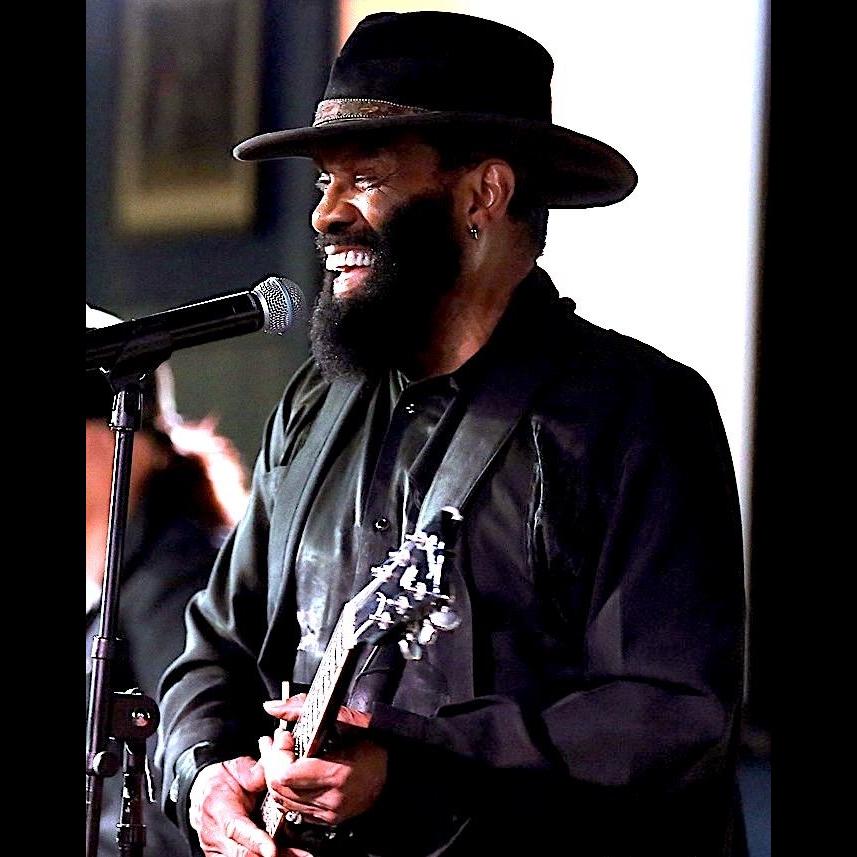
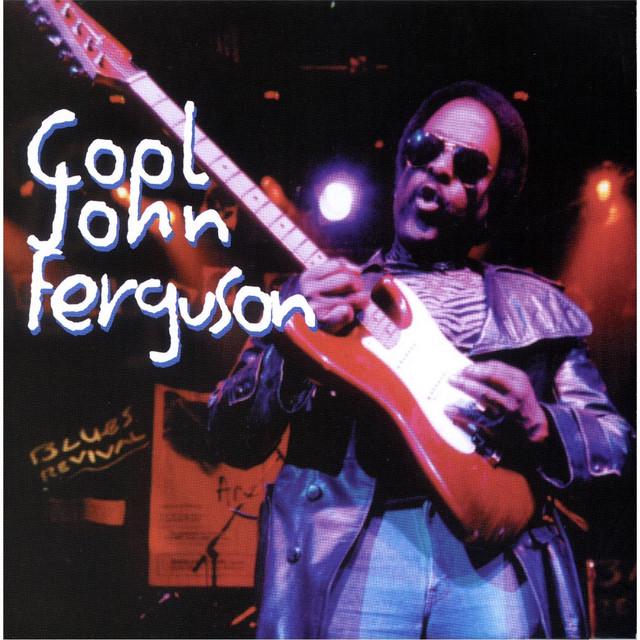
Cool John Ferguson’s Spotify BioThe Gullah Geechee people of the barrier islands of South Carolina and Georgia are unique among the subcultures of the African diaspora. They were brought here as slaves over two centuries ago, speak their own Creole language, and maintain traditions and customs that are fully their own. Cool John Ferguson is a product of those cultures. By the time he was 5, he was playing church music professionally. For three years he was a featured entertainer on “The Low Country Sing” on WSCS-TV, appearing with the Ferguson Sisters, a popular gospel trio.
“A lot of my people came out of the Gullah tradition with roots in Western Africa, hard work and a hard life on the plantations, and worship in praise houses,” Cool John recalls. "You can hear some of that gospel flavor in my playing, a lot of traditional African music mixed with the field and spiritual music.” By the time he was in high school in the late 1960s, he had his own racially integrated band called the Plastic Society and was playing… two church gigs every Sunday. That’s how he met an preacher named Reverend Ike in Beaufort, South Carolina. Ike’s touring ministry took Cool John on the road as far west as Texas.
In 1998, Cool John moved up to North Carolina and began recording with the Music Maker Foundation. He has helped make classic recordings for Essie Mae Brooks, Carl Rutherford and Captain Luke, and he made his own debut album. Cool John continues to be one of the finest blues players alive.
Viberate is a music analytics platform built for A&Rs, artist managers, labels, booking agents, marketers, and artists.
It helps music professionals track artist growth, analyze audience data, monitor playlist activity, compare artists, follow song performance, and identify opportunities across the music market.
Public artist pages provide a free preview of selected artist data. Paid plans provide access to deeper analytics, historical data, charts, comparisons, playlist tools, exports, alerts, reports, and additional professional features.
Yes. Public Viberate artist pages provide selected artist analytics and music data for free.
Viberate also offers a 7-day free trial of the full platform. A credit card is required to start the trial. The trial includes access to the complete product so users can test deeper artist analytics, historical views, playlist insights, comparisons, charts, exports, alerts, and reporting features before choosing a paid plan.
Viberate provides artist analytics across streaming, playlists, social media, video, radio airplay, songs, and audience markets.
Users can analyze Spotify performance, Spotify and Apple Music playlists, YouTube activity, TikTok and Instagram growth, radio spins, song performance, audience locations, demographics, rankings, and overall artist momentum.
Artist profiles also connect to music charts, similar artists, and comparison tools, helping users benchmark performance and evaluate artists in context.
Viberate updates key artist and track data daily.
For followed artists and tracks, selected data is refreshed multiple times per day. This helps teams monitor playlist changes, streaming movement, audience growth, releases, and campaign performance with more current data.
Update frequency can vary depending on the metric and data source.
Yes. Viberate lets users compare up to five artists side by side across streaming, social media, audience, and engagement metrics.
Users can compare fanbase growth, audience demographics, locations, Spotify performance, social metrics, and other artist data over selected time periods.
Artist comparison can be used for A&R scouting, benchmarking, booking decisions, campaign planning, and evaluating artists with similar audiences or market positions.