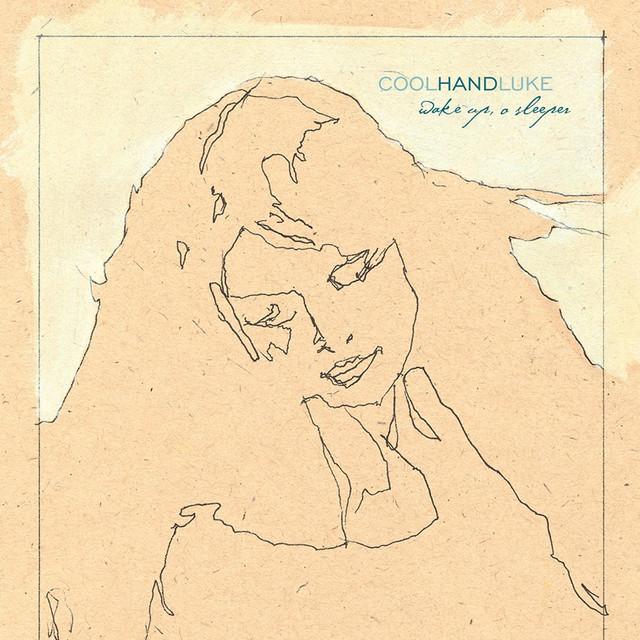
Cool Hand Luke

Rock
Alternative Rock
Indie Rock
Christian Music
 Viberate Rank: 234420
 Viberate Rank: 234420
 Monthly ListenersFollowers
 Subscribers
 Followers
 Followers
 FansTop Spotify Songs
| Track | 7-Day Streams | |
|---|---|---|
1 | 303 | |
2 | 250 | |
3 | 205 | |
4 | 163 | |
5 | 111 |
Top YouTube Videos| Video | 7-Day Views | |
|---|---|---|
1 | 53 | |
2 | 7 | |
3 | 4 | |
4 | 3 | |
5 | 2 |
Monthly ListenersFeatured in Playlists| Playlist | Followers | |
|---|---|---|
1 | Acoustic Folk/Indie Christian Worship & Praise Kellen Marzanna | 7.25K |
2 | Midwest Emo Samuel Fish | 3.83K |
3 |  Teenage Anthems Peter van den Hout | 3.59K |
4 | Indie Alternative Christian Worship Sasha DeLee | 2.08K |
5 |  THE HEAVY CHRISTIAN For The Rock | 1.82K |
Audience| City | Monthly Listeners | |
|---|---|---|
1 | | 46 |
2 | | 40 |
3 | | 34 |
4 | | 34 |
5 | | 34 |
See full performance history, audience data, playlist activity, rankings, comparisons, and more in Viberate music analytics. Start with a free trial, then continue with a paid plan.
Cool Hand Luke’s Spotify BioCool Hand Luke has been around since 1998. Their sound has changed a lot over the years. So has their line-up. It started with three teenage guys who thought it would be cool to be in a band. They became a band and became really good friends in the process. They played a lot of shows in a lot of different places. They initially dabbled in punk and then ventured into emo, screamo, hard core, post hard core, post punk, neo-classical, and indie rock. They are still a bit difficult to pin down, as far as that goes, but let's just call it indie rock. The unifying theme has always been thoughtful, passionate music that is inspired by what inspires Cool Hand Luke the most: the gospel. Too strange for the Christian music industry. Too Christian for the general market. Cool Hand Luke has always been a bit of a black sheep, and that's okay. Black sheep are pretty cool. Now Cool Hand Luke is basically Mark Nicks and whomever he persuades to play with him. Mark doesn't like social media but tries… to figure it out nonetheless. He has no idea what sort of things should be in a bio. He could have Googled that, but who has time for that? We're glad you've stumbled upon our music and we hope it is meaningful to you. Thank you for listening.
Viberate is a music analytics platform built for A&Rs, artist managers, labels, booking agents, marketers, and artists.
It helps music professionals track artist growth, analyze audience data, monitor playlist activity, compare artists, follow song performance, and identify opportunities across the music market.
Public artist pages provide a free preview of selected artist data. Paid plans provide access to deeper analytics, historical data, charts, comparisons, playlist tools, exports, alerts, reports, and additional professional features.
Yes. Public Viberate artist pages provide selected artist analytics and music data for free.
Viberate also offers a 7-day free trial of the full platform. A credit card is required to start the trial. The trial includes access to the complete product so users can test deeper artist analytics, historical views, playlist insights, comparisons, charts, exports, alerts, and reporting features before choosing a paid plan.
Viberate provides artist analytics across streaming, playlists, social media, video, radio airplay, songs, and audience markets.
Users can analyze Spotify performance, Spotify and Apple Music playlists, YouTube activity, TikTok and Instagram growth, radio spins, song performance, audience locations, demographics, rankings, and overall artist momentum.
Artist profiles also connect to music charts, similar artists, and comparison tools, helping users benchmark performance and evaluate artists in context.
Viberate updates key artist and track data daily.
For followed artists and tracks, selected data is refreshed multiple times per day. This helps teams monitor playlist changes, streaming movement, audience growth, releases, and campaign performance with more current data.
Update frequency can vary depending on the metric and data source.
Yes. Viberate lets users compare up to five artists side by side across streaming, social media, audience, and engagement metrics.
Users can compare fanbase growth, audience demographics, locations, Spotify performance, social metrics, and other artist data over selected time periods.
Artist comparison can be used for A&R scouting, benchmarking, booking decisions, campaign planning, and evaluating artists with similar audiences or market positions.