Conrad Herwig

Jazz
Smooth Jazz
Latin Jazz
 Viberate Rank: 211888
 Viberate Rank: 211888
 Monthly ListenersFollowers
 Subscribers
 Followers
 Followers
 FansTop Spotify Songs
| Track | 7-Day Streams | |
|---|---|---|
1 | 288 | |
2 | 57 | |
3 | 54 | |
4 | 48 | |
5 | 45 |
Top YouTube VideosMonthly ListenersFeatured in Playlists| Playlist | Followers | |
|---|---|---|
1 |  Latin Jazz Spotify | 513.14K |
2 | Best Latin Jazz Jef Bruggeman | 16.91K |
3 |  Real Book - Jazz standards/classics Anders Garbom Bjørklund | 13.79K |
4 |  Fast Jazz! Filip Grbović | 10.84K |
5 |  Covers of "The Pink Panther Theme" Warstream | 2.62K |
Audience| City | Monthly Listeners | |
|---|---|---|
1 | | 68 |
2 | | 41 |
3 | | 38 |
4 | | 37 |
5 |  | 28 |
See full performance history, audience data, playlist activity, rankings, comparisons, and more in Viberate music analytics. Start with a free trial, then continue with a paid plan.
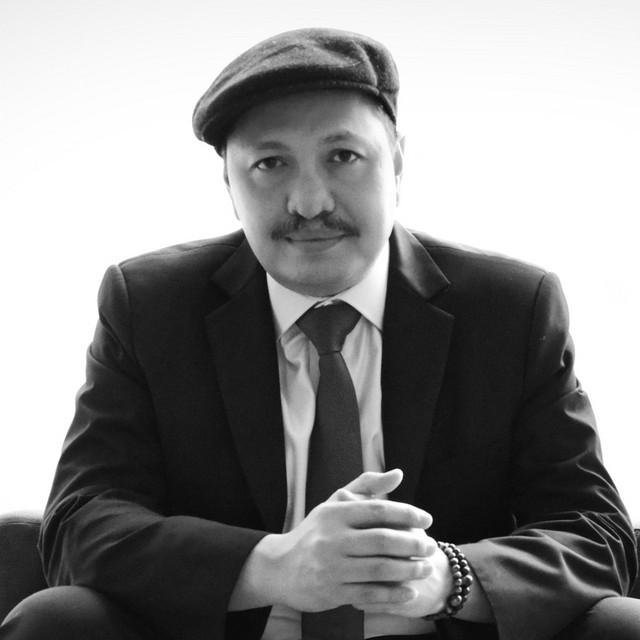
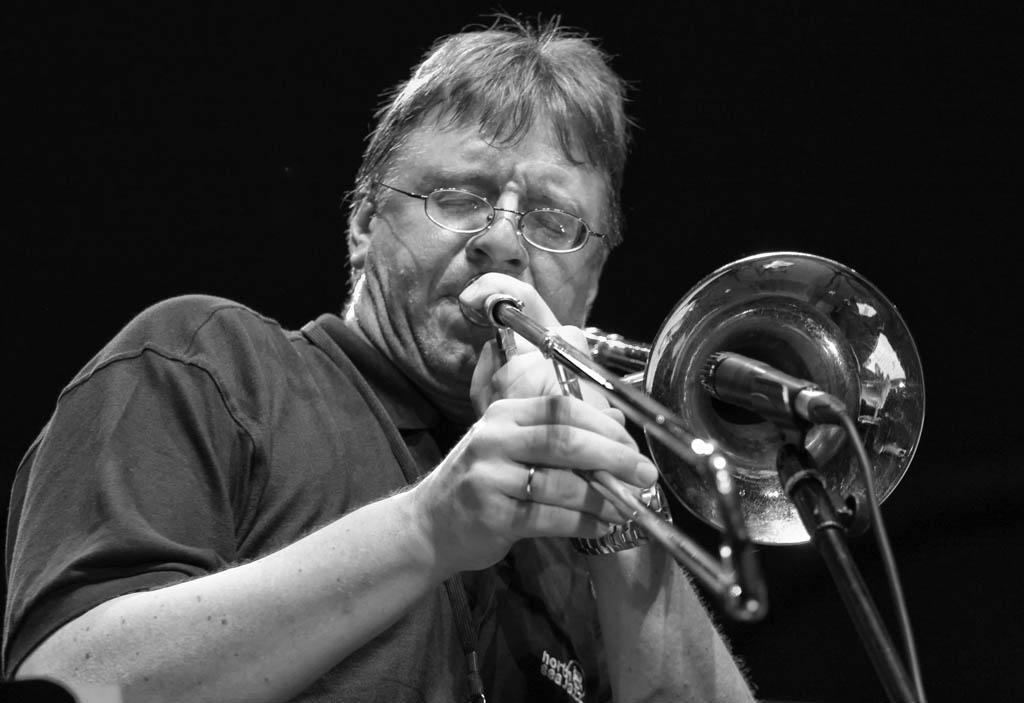
Conrad Herwig’s Spotify BioConrad Herwig is a New York-based trombonist, composer, arranger, bandleader, and educator. A superior technician, he possesses a warm, enveloping tonal signature, at once physical and emotionally expressive. Herwig has played on hundreds of recordings and issued a series of celebrated post-bop outings for Criss Cross with 1998's seminal Heart of Darkness, 2007's A Jones for Bones Tones, 2012's A Voice Through the Door, and 2016's Reflections (co-led with saxophonist Igor Butman). These were threaded between his award-winning Latin jazz tribute albums, starting with 1998's The Latin Side of John Coltrane. Later tribute subjects included two for Miles Davis in 2004 (Another Kind of Blue: The Latin Side of Miles Davis), and 2006 (Sketches of Spain y Mas: The Latin Side of Miles Davis), as well as volumes for Wayne Shorter (2008), Herbie Hancock (2010), Joe Henderson (2014), and Horace Silver (2020). In 2022, the trombonist continued his tribute series with The Latin Side of Mingus.
Herwig… was born in Oklahoma in 1959. He graduated from North Texas State University in Denton with a bachelor's degree in theory and jazz composition; there, he performed with the regional legends One O’Clock Jazz Lab Band and cut his teeth playing dancehalls with salsa, mariachi, and Tejano bands. He also holds a bachelor's degree in Afro-Caribbean ethnomusicology from Goddard College in Plainfield, Vermont, and a master's in jazz studies from Queens College, CUNY.
After moving to New York in the early '80s, Herwig began his professional career with Clark Terry's big band and played stints with Buddy Rich, Mel Lewis, and Toshiko Akiyoshi, with whom he made his recording debut on 1984's Ten Gallon Shuffle. In 1986, he guested on Mario Bauza's historic Afro-Cuban Jazz album. Herwig cut his leader debut, With Every Breath, for Sea Breeze Jazz with saxophonist Jim Snidero, pianist Richie Beirach, drummer Adam Nussbaum, and bassist Ron McLure as his sidemen. That same year, he was invited by producer Hal Willner to join the studio band for Marianne Faithfull's Strange Weather. In 1990, Herwig cut New York Hardball for Ken Music using the same band, sans the otherwise committed Snidero. Two more dates for the label appeared in 1991, Intimate Conversation (in a duo with Beirach) and The Amulet (with his quartet plus trumpeter Randy Brecker).
That year proved an important one in Herwig's development: He played on Tito Puente's The Mambo King: 100th LP and Live at Montreux by Miles Davis and Quincy Jones. In 1992, Herwig continued working with Bauza, appearing on Tanga as well as joining saxophonist Walt Wieskopf's band; he appeared on the latter's Simplicity for Criss Cross, marking the first of a handful of recordings they would make together during the decade. That year he also played on A Night in Englewood by Paquito D'Rivera & The United Nation Orchestra. Herwig joined Eddie Palmieri's orchestra for 1994's charting Palmas; other players included trumpeter Brian Lynch, alto saxophonist Donald Harrison, and drummer Robby Ameen. Herwig was also recruited that year to play on Al Di Meola's Orange and Blue and pianist Michel Camilo's One More Once.
In 1996, Herwig led, arranged, and recorded The Latin Side of John Coltrane for the Astor Place label. Unlike any previous tribute treatment, it offered a revelatory look into the rhythmic and harmonic possibilities inherent in the saxophonist's major works between 1960 and 1964 using a rotating cast without tenor or soprano saxophonists. Herwig's alternating personnel included flutist Dave Valentin; trumpeters Lynch and Alex Sipiagin; Ronnie Cuber on baritone sax; Richie Beirach, Danilo Perez, Edward Simon, and Palmieri on piano; bassist Andy Gonzalez; and percussionist/vocalist Milton Cardona. The set took over the jazz press that year and was subsequently nominated for a Grammy Award. This was the landmark year that saw Herwig lead the celebrated New York Breed session with Beirach, saxophonist Dave Liebman, Nussbaum, and bassist Rufus Reid. Herwig also joined the Mingus Big Band, making his debut with the orchestra on Live in Time.
Over the next two years, Herwig immersed himself in the projects of others while continuing to write. He played on albums by Palmieri, Lynch, Henderson, Susannah McCorkle, and big-band dates by D'Rivera and David Matthews. In 1998, Herwig issued Heart of Darkness for Criss Cross Jazz. The landmark date took author Joseph Conrad as its muse in original compositions played by vibraphonist Stefon Harris, bassist Peter Washington, drummer Billy Drummond, pianist Bill Charlap, and Weiskopf on tenor and soprano saxophones. Herwig followed it at year's end with Osteology. He closed the decade with a flurry of sideman activity, appearing on Blues & Politics by the Mingus Big Band, Monday Michiru's Optimista, Tom Harrell's Time's Mirror, and half-a-dozen other appearances on albums by old friends including McLure, Snidero, Weiskopf, and saxophonist Bill Evans.
The 21st century found Herwig bursting with energy and new projects. He released Unseen Universe, a new session, on Criss Cross and did session work with Joe Lovano, Rickie Lee Jones, Lisa Ono, and Renee Rosnes. He issued Hieroglyphica under his own name in 2001, leading a quartet with Charlap, drummer Gene Jackson, and bassist James Genus. 2002 saw the release of Shades of Light with Andy LaVerne on Steeplechase. He also played on Palmieri's La Perfecta II and Ritmo Caliente, Evans' Big Fun, and Elvis Costello's North. The trombonist led a sextet for 2003's Land of Shadow on Criss Cross in 2003 that included trumpeter Tim Hagans and pianist David Kikoski.
In 2004, Herwig returned to the Latin jazz laboratory: He released Another Kind of Blue: The Latin Side of Miles Davis for Half Note. Recorded live in 2003 at the famed Blue Note club, it featured a nonet performing Kind of Blue in its entirety. It was nominated for a Grammy. The same year, his second Latin-infused Coltrane tribute, Que Viva Coltrane, co-led by Lynch, was issued on Criss Cross. Herwig also played on Cuban hip-hop legends Orishas' El Kilo. The trombonist's funky, organ-and-guitar soul-jazz set Obligation was released by Criss Cross in 2005.
In 2006, Half Note issued the other half of Herwig's Davis tribute as Sketches of Spain y Mas; the program consisted solely of the late trumpeter's compositions. Herwig worked with Lynch quite a bit that year: He appeared on the Lynch/Palmieri project's Simpatico, and on the trumpeter's seminal Spheres of Influence Suite. In 2007, Herwig led the hard-swinging quintet date A Jones for Bones Tones for Criss Cross.
He followed with The Latin Side of Wayne Shorter, for Half Note, which included Palmieri and Lynch. It marked the third time that one of Herwig's Latin Side Of... projects was nominated for a Grammy. Another installment in this series appeared in 2010 as The Latin Side of Herbie Hancock, with Palmieri and Randy Brecker. He also lent his horn to Robby Ameen's Days in the Life, and Bill O'Connell's Rhapsody in Blue that year. In 2012, Herwig returned with A Voice Through the Door on Criss Cross, showcasing nine current compositions in a quintet setting that included bassist Kenny Davis, drummer Donald Edwards, pianist Orrin Evans, and tenor saxophonist Ralph Bowen.
2014 saw a fifth entry in his Latin jazz homage series with The Latin Side of Joe Henderson; recorded live at the Blue Note in N.Y.C., it featured Joe Lovano. He also appeared with O'Connell and the Latin Jazz Allstars on Imagine from Savant, and the Captain Black Big Band for Mother's Touch on Posi-Tone. In 2016, Herwig collaborated with Russian tenor man Igor Butman on Reflections for Criss Cross. The quintet date featured five compositions from the trombonist, two from the saxophonist, and a spirited reading of George Gershwin's "Who Cares?" He also continued his role with O'Connell and the Latin Jazz Allstars on Heart Beat.
Herwig spent much of 2017 and 2018 teaching, as a sideman, and on tour. He worked with Palmieri on two dates for Ropeadope, Full Circle and Mi Luz Mayor. He played in O'Connell's group for Jazz Latin on Savant, and also with guitarist Pierre Doerge on the vanguard Soundscapes for Steeplechase in a quintet setting with trumpeter Kirk Knuffke, Nussbaum on drums, bassist Jay Anderson, and tenor saxophonist Stephen Riley. In November 2019, Herwig spent two days recording with Ameen's studio band, resulting in the drummer's Diluvio, which appeared in early 2020.
In August, Herwig issued the sixth volume in his tribute series, The Latin Side of Horace Silver on Savant, leading a band that included trumpeter Sipiagin, saxophonists Craig Handy and Butman, pianists O'Connell and Camilo, bassist Rubén Rodriguez, Ameen on drums, and conguero Richie Flores. Herwig returned in 2022 with The Latin Side of Mingus. In addition to the same personnel as on the Silver volume, he enlisted special guests Ruben Blades and Randy Brecker. ~ Thom Jurek, Rovi
Viberate is a music analytics platform built for A&Rs, artist managers, labels, booking agents, marketers, and artists.
It helps music professionals track artist growth, analyze audience data, monitor playlist activity, compare artists, follow song performance, and identify opportunities across the music market.
Public artist pages provide a free preview of selected artist data. Paid plans provide access to deeper analytics, historical data, charts, comparisons, playlist tools, exports, alerts, reports, and additional professional features.
Yes. Public Viberate artist pages provide selected artist analytics and music data for free.
Viberate also offers a 7-day free trial of the full platform. A credit card is required to start the trial. The trial includes access to the complete product so users can test deeper artist analytics, historical views, playlist insights, comparisons, charts, exports, alerts, and reporting features before choosing a paid plan.
Viberate provides artist analytics across streaming, playlists, social media, video, radio airplay, songs, and audience markets.
Users can analyze Spotify performance, Spotify and Apple Music playlists, YouTube activity, TikTok and Instagram growth, radio spins, song performance, audience locations, demographics, rankings, and overall artist momentum.
Artist profiles also connect to music charts, similar artists, and comparison tools, helping users benchmark performance and evaluate artists in context.
Viberate updates key artist and track data daily.
For followed artists and tracks, selected data is refreshed multiple times per day. This helps teams monitor playlist changes, streaming movement, audience growth, releases, and campaign performance with more current data.
Update frequency can vary depending on the metric and data source.
Yes. Viberate lets users compare up to five artists side by side across streaming, social media, audience, and engagement metrics.
Users can compare fanbase growth, audience demographics, locations, Spotify performance, social metrics, and other artist data over selected time periods.
Artist comparison can be used for A&R scouting, benchmarking, booking decisions, campaign planning, and evaluating artists with similar audiences or market positions.