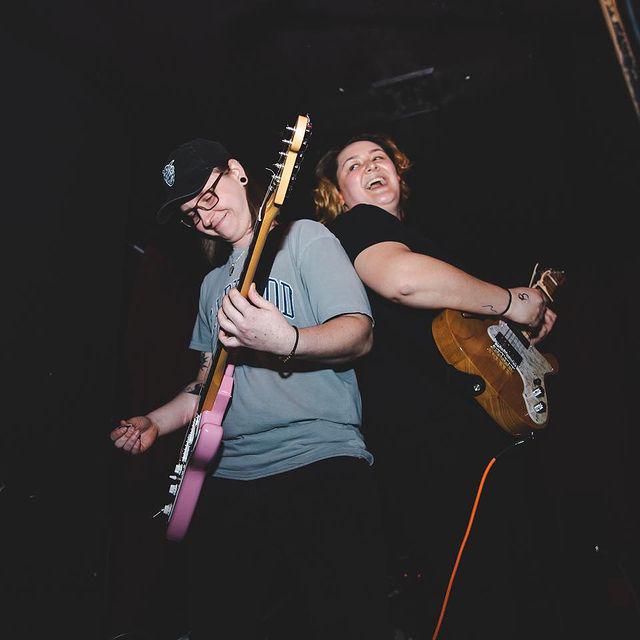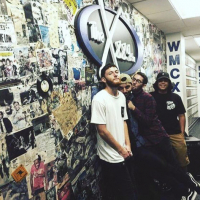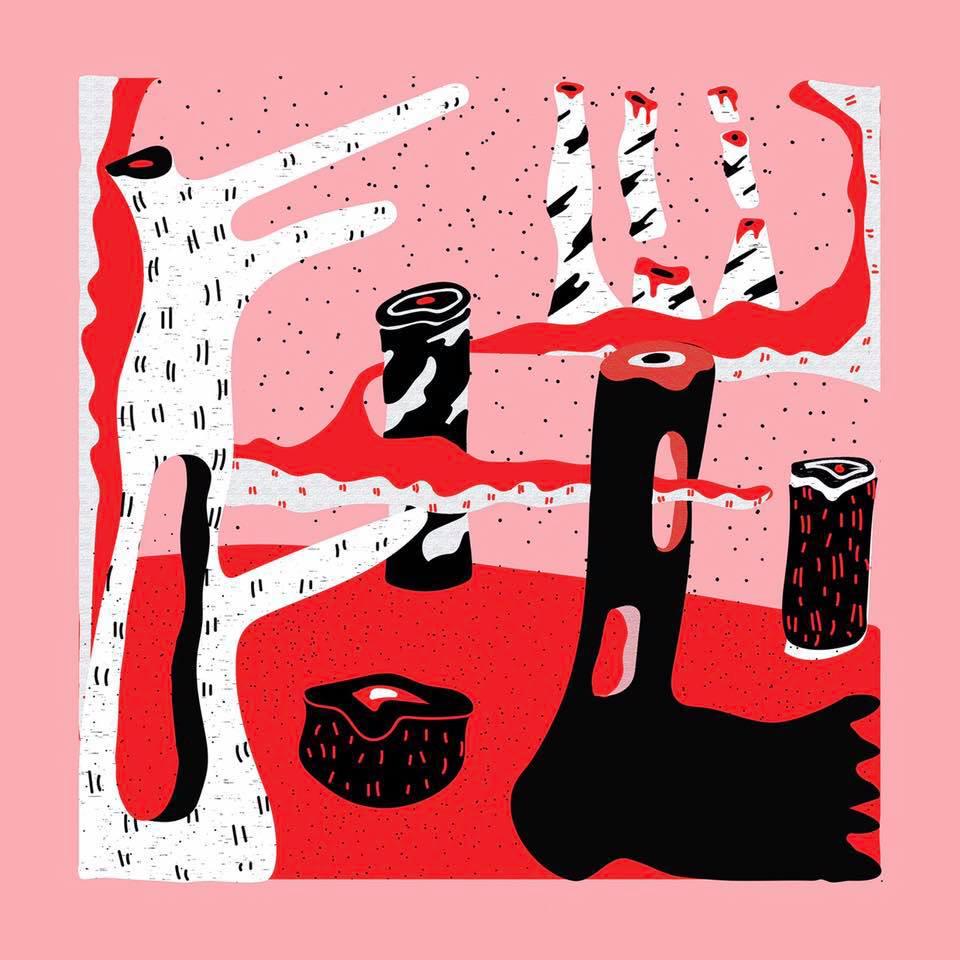
Commander Salamander

Rock
Alternative Rock
Indie Rock
 Viberate Rank: 431036
 Viberate Rank: 431036
 Monthly ListenersFollowers
 Subscribers
 Followers
 Followers
 FansTop Spotify Songs
| Track | 7-Day Streams | |
|---|---|---|
1 | 185 | |
2 | 101 | |
3 | 100 | |
4 | 61 | |
5 | 51 |
Top YouTube VideosMonthly ListenersFeatured in Playlists| Playlist | Followers | |
|---|---|---|
1 |  The Sound of 5th Wave Emo The Sounds of Spotify | 9.01K |
2 | Midwest Emo Sh!t collapsedcave | 5.70K |
3 |  The Sound of Midwest Emo The Sounds of Spotify | 4.64K |
4 |  Weatherday's WeatheRadio Sputnik_PC | 4.38K |
5 | Fifth Wave Emo JesseXGomez | 4.25K |
Audience| City | Monthly Listeners | |
|---|---|---|
1 | | 21 |
2 | | 21 |
3 | | 20 |
4 | | 19 |
5 | | 18 |
See full performance history, audience data, playlist activity, rankings, comparisons, and more in Viberate music analytics. Start with a free trial, then continue with a paid plan.
Commander Salamander’s Spotify BioFirst coming together in the suburbs of Washington, DC in early 2017, Commander Salamander was formed with the sole intention of ripping shit up. Combining the brute force of DC hardcore, the hooks and energy of pop-punk, and the technicality and passion of DIY emo, Commander Salamander burst forth like a baby antelope, already able to walk, run, and play shows. Cutting their first EP, Gross October, in late 2017, the band immediately impressed with their blend of scorchingly fast and intricate riffs, Liam Crone’s agile, rubbery drumming, Fernando Moyano’s bone-snapping bass tone, and Claudio Benedi’s endearingly scrappy-yet-powerful howl. The band’s easygoing sense of humor (they’ve been known to break into random covers of Franz Ferdinand’s “Take Me Out” mid-song), along with their immediate and catchy songwriting, earned them fans among both audiences and members throughout the world of DIY. After releasing a split with like-minded emo-pop pranksters Origami Angel, Commander… Salamander regrouped in mid-2019 to release Off the Goop, the most clear and coherent representation of their sound yet, replete with songs that blend pop melodies with screamo aggression, powerviolence breakdowns with jazzy twinkles, and a detached, meme-heavy sense of humor with genuine earnestness and emotion.
~ Ellie Kovach
Photo credits - Owen Lehman, Lil Bee, Sam Treber, Jamie Langley, Johnny Bailey, Pat Gaffney, Ron Akins
Viberate is a music analytics platform built for A&Rs, artist managers, labels, booking agents, marketers, and artists.
It helps music professionals track artist growth, analyze audience data, monitor playlist activity, compare artists, follow song performance, and identify opportunities across the music market.
Public artist pages provide a free preview of selected artist data. Paid plans provide access to deeper analytics, historical data, charts, comparisons, playlist tools, exports, alerts, reports, and additional professional features.
Yes. Public Viberate artist pages provide selected artist analytics and music data for free.
Viberate also offers a 7-day free trial of the full platform. A credit card is required to start the trial. The trial includes access to the complete product so users can test deeper artist analytics, historical views, playlist insights, comparisons, charts, exports, alerts, and reporting features before choosing a paid plan.
Viberate provides artist analytics across streaming, playlists, social media, video, radio airplay, songs, and audience markets.
Users can analyze Spotify performance, Spotify and Apple Music playlists, YouTube activity, TikTok and Instagram growth, radio spins, song performance, audience locations, demographics, rankings, and overall artist momentum.
Artist profiles also connect to music charts, similar artists, and comparison tools, helping users benchmark performance and evaluate artists in context.
Viberate updates key artist and track data daily.
For followed artists and tracks, selected data is refreshed multiple times per day. This helps teams monitor playlist changes, streaming movement, audience growth, releases, and campaign performance with more current data.
Update frequency can vary depending on the metric and data source.
Yes. Viberate lets users compare up to five artists side by side across streaming, social media, audience, and engagement metrics.
Users can compare fanbase growth, audience demographics, locations, Spotify performance, social metrics, and other artist data over selected time periods.
Artist comparison can be used for A&R scouting, benchmarking, booking decisions, campaign planning, and evaluating artists with similar audiences or market positions.