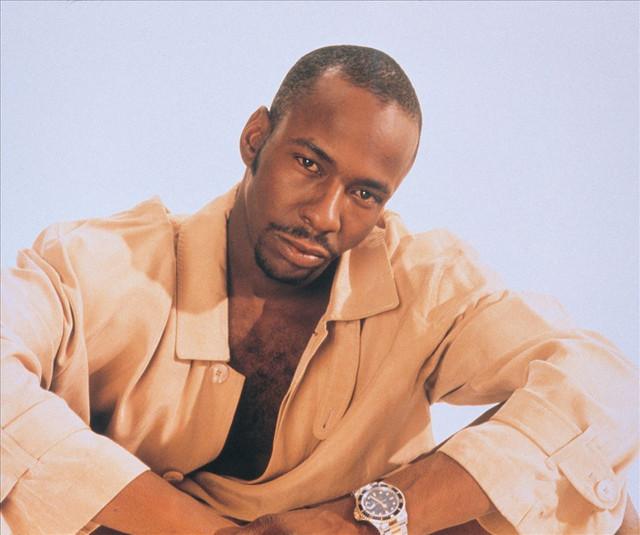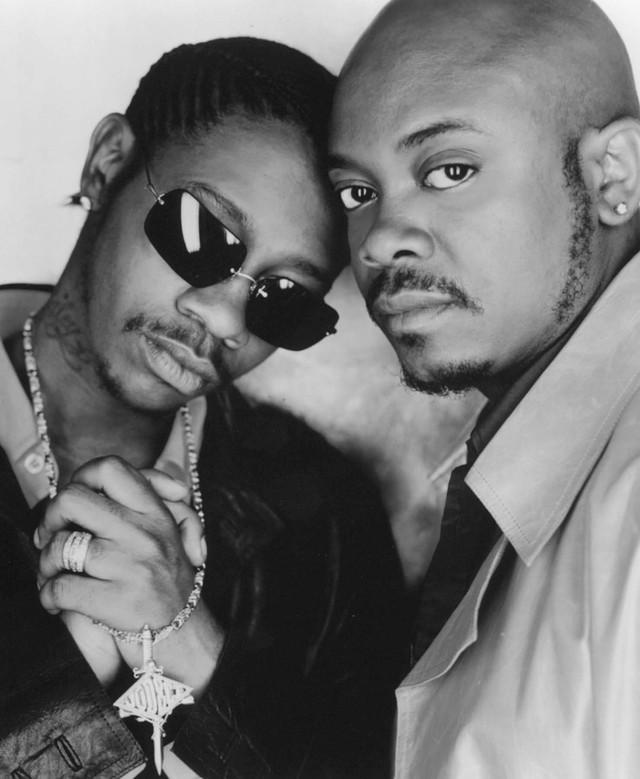
Color Me Badd

R&B
Contemporary R&B
 Viberate Rank: 20847
 Viberate Rank: 20847
 Monthly ListenersFollowers
 Subscribers
 Followers
 Followers
 FansTop Spotify Songs
| Track | 7-Day Streams | |
|---|---|---|
1 | 327.38K | |
2 | 119.44K | |
3 | 76.06K | |
4 | 56.54K | |
5 | 41.05K |
Top YouTube VideosMonthly ListenersFeatured in Playlists| Playlist | Followers | |
|---|---|---|
1 |  90s Love Songs Spotify | 3.72M |
2 |  Film & TV Favorites: 90s Black Cinema Spotify | 954.28K |
3 |  Ultimate Boybands Spotify | 762.30K |
4 |  R&B Party Classics Filtr Sweden | 242.57K |
5 |  90s R&B Hits (Top 100) Nostalgic Vibes | 234.88K |
Audience| City | Monthly Listeners | |
|---|---|---|
1 |  | 34.30K |
2 |  | 23.09K |
3 | | 20.75K |
4 |  | 18.92K |
5 | | 18.62K |
See full performance history, audience data, playlist activity, rankings, comparisons, and more in Viberate music analytics. Start with a free trial, then continue with a paid plan.
Color Me Badd’s Spotify BioColor Me Badd is an American contemporary R&B group that was formed in 1985 in Oklahoma City, Oklahoma by Mark Calderon, Bryan Abrams, Sam Watters, and Kevin Thornton.
Best known for their singles "I Wanna Sex You Up", "I Adore Mi Amor" and "All 4 Love", the group has sold over 12 million records worldwide,[1] had two number 1 hit singles, nine Top 40 hits and a triple-platinum album. They were nominated for two Grammy Awards, won two Soul Train Music Awards and one American Music Award, and were nominated for five others.[2] Their songs have been featured in movies and on television programs including New Jack City, Mo' Money, No Strings Attached and Glee. They made a cameo appearance as themselves on a 1992 episode of Beverly Hills, 90210.
After 1998, the group reformed in 2010 and has been touring on several notable tours such as "I Love The 90's Tour", and supporting other hit acts like Salt N Pepa, Vanilla Ice, Bell Biv Devoe, and many more.
A founding member, Mark Calderon, is the… only original member now leading the group. Watters never rejoined the group, and since 2017 the group has seen the exit of Kevin Thornton and Bryan Abrams through various legal quarrels with the band.
Viberate is a music analytics platform built for A&Rs, artist managers, labels, booking agents, marketers, and artists.
It helps music professionals track artist growth, analyze audience data, monitor playlist activity, compare artists, follow song performance, and identify opportunities across the music market.
Public artist pages provide a free preview of selected artist data. Paid plans provide access to deeper analytics, historical data, charts, comparisons, playlist tools, exports, alerts, reports, and additional professional features.
Yes. Public Viberate artist pages provide selected artist analytics and music data for free.
Viberate also offers a 7-day free trial of the full platform. A credit card is required to start the trial. The trial includes access to the complete product so users can test deeper artist analytics, historical views, playlist insights, comparisons, charts, exports, alerts, and reporting features before choosing a paid plan.
Viberate provides artist analytics across streaming, playlists, social media, video, radio airplay, songs, and audience markets.
Users can analyze Spotify performance, Spotify and Apple Music playlists, YouTube activity, TikTok and Instagram growth, radio spins, song performance, audience locations, demographics, rankings, and overall artist momentum.
Artist profiles also connect to music charts, similar artists, and comparison tools, helping users benchmark performance and evaluate artists in context.
Viberate updates key artist and track data daily.
For followed artists and tracks, selected data is refreshed multiple times per day. This helps teams monitor playlist changes, streaming movement, audience growth, releases, and campaign performance with more current data.
Update frequency can vary depending on the metric and data source.
Yes. Viberate lets users compare up to five artists side by side across streaming, social media, audience, and engagement metrics.
Users can compare fanbase growth, audience demographics, locations, Spotify performance, social metrics, and other artist data over selected time periods.
Artist comparison can be used for A&R scouting, benchmarking, booking decisions, campaign planning, and evaluating artists with similar audiences or market positions.