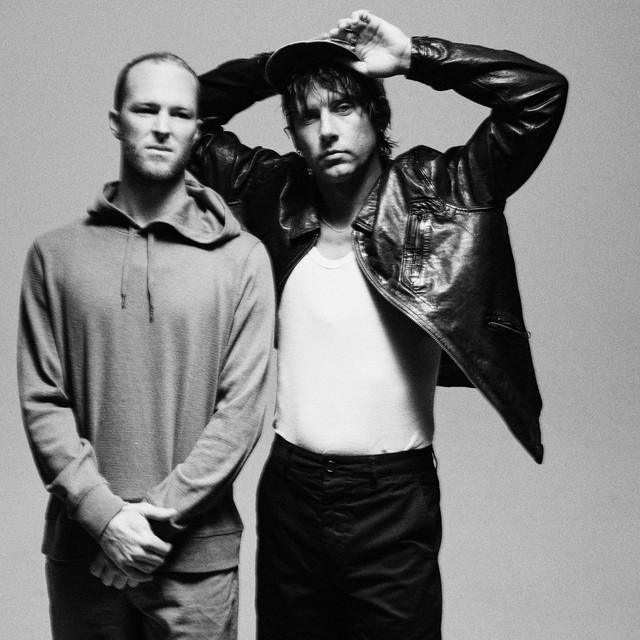
Colony House

Rock
Indie Rock
Indie Pop
 Viberate Rank: 43964
 Viberate Rank: 43964
 Monthly ListenersFollowers
 Subscribers
 Followers
 Followers
 FansTop Spotify Songs
| Track | 7-Day Streams | |
|---|---|---|
1 | 62.74K | |
2 | 30.63K | |
3 | 11.12K | |
4 | 8.50K | |
5 | 5.92K |
Top YouTube VideosMonthly ListenersFeatured in Playlists| Playlist | Followers | |
|---|---|---|
1 |  You & Me Spotify | 1.14M |
2 |  outer banks summer☀️ livlove | 138.56K |
3 | indie rock 🎸🌱 MattLuciano2 | 116.33K |
4 |  Good Vibes 2024 ☀🌊 past'elle records | 89.45K |
5 |  Merry & Bright Spotify | 89.35K |
Audience| City | Monthly Listeners | |
|---|---|---|
1 | | 5.85K |
2 | | 4.64K |
3 | | 4.63K |
4 | | 4.17K |
5 | | 3.74K |
See full performance history, audience data, playlist activity, rankings, comparisons, and more in Viberate music analytics. Start with a free trial, then continue with a paid plan.
Colony House’s Spotify BioColony House’s fifth studio album, 77, is both a sonic departure and a spiritual arrival, a retro-futurist meditation on eternity, nostalgia, and the invisible threads that hold us together. Steeped in the aesthetics of 1990s sound, 77 finds the Tennessee-based four-piece—brothers Caleb and Will Chapman, alongside Scott Mills and Parke Cottrell—reaching beyond what can be seen, touched, or even easily explained.
"77, the number, means a lot of things to a lot of people,” Caleb explains. “Biblically, it’s the number of forgiveness. Spiritually, it represents completion or wholeness. For us, it's become a symbol of eternal perspective—a lens to look at love, loss, and life with a little more intention.” For a band that built its name on emotion-driven, heart-on-sleeve rock and roll, 77 is a natural evolution: a mature, longing album that doesn’t pretend to have all the answers but is brave enough to keep asking the questions.
Viberate is a music analytics platform built for A&Rs, artist managers, labels, booking agents, marketers, and artists.
It helps music professionals track artist growth, analyze audience data, monitor playlist activity, compare artists, follow song performance, and identify opportunities across the music market.
Public artist pages provide a free preview of selected artist data. Paid plans provide access to deeper analytics, historical data, charts, comparisons, playlist tools, exports, alerts, reports, and additional professional features.
Yes. Public Viberate artist pages provide selected artist analytics and music data for free.
Viberate also offers a 7-day free trial of the full platform. A credit card is required to start the trial. The trial includes access to the complete product so users can test deeper artist analytics, historical views, playlist insights, comparisons, charts, exports, alerts, and reporting features before choosing a paid plan.
Viberate provides artist analytics across streaming, playlists, social media, video, radio airplay, songs, and audience markets.
Users can analyze Spotify performance, Spotify and Apple Music playlists, YouTube activity, TikTok and Instagram growth, radio spins, song performance, audience locations, demographics, rankings, and overall artist momentum.
Artist profiles also connect to music charts, similar artists, and comparison tools, helping users benchmark performance and evaluate artists in context.
Viberate updates key artist and track data daily.
For followed artists and tracks, selected data is refreshed multiple times per day. This helps teams monitor playlist changes, streaming movement, audience growth, releases, and campaign performance with more current data.
Update frequency can vary depending on the metric and data source.
Yes. Viberate lets users compare up to five artists side by side across streaming, social media, audience, and engagement metrics.
Users can compare fanbase growth, audience demographics, locations, Spotify performance, social metrics, and other artist data over selected time periods.
Artist comparison can be used for A&R scouting, benchmarking, booking decisions, campaign planning, and evaluating artists with similar audiences or market positions.