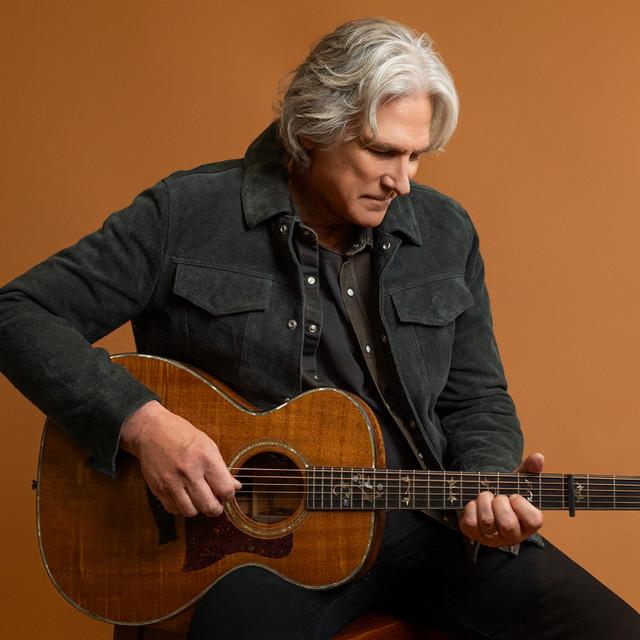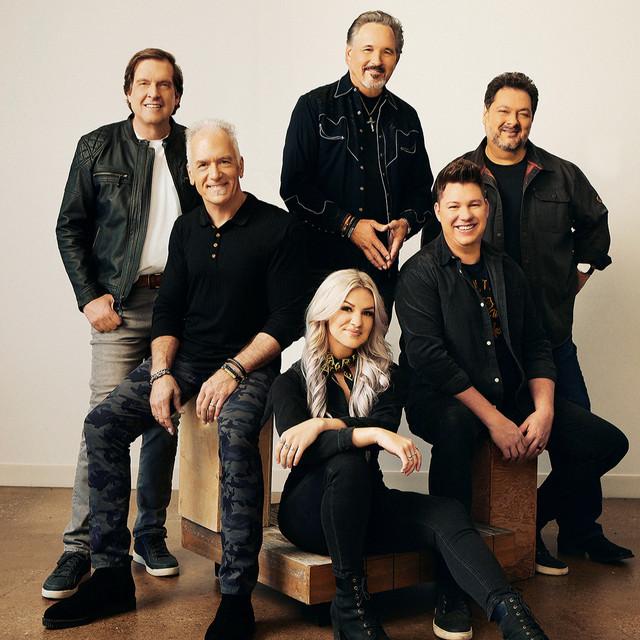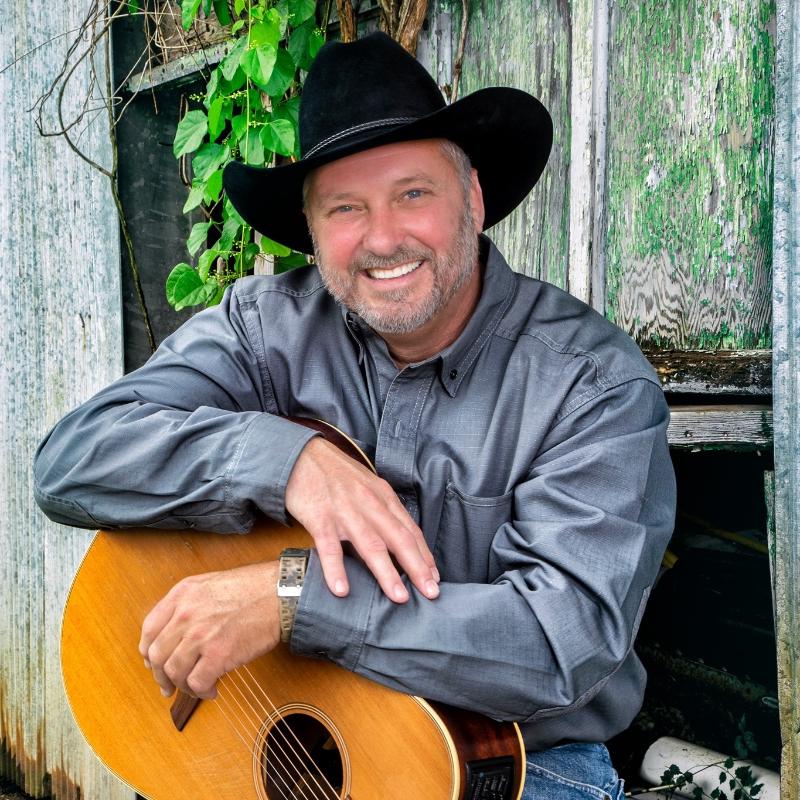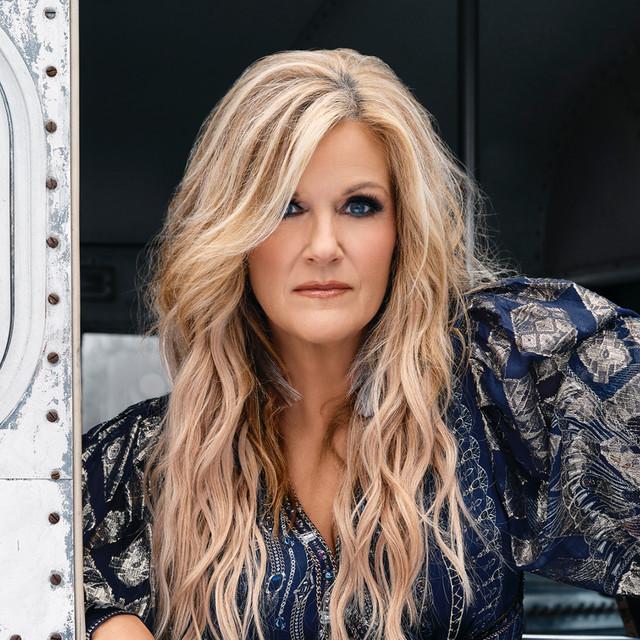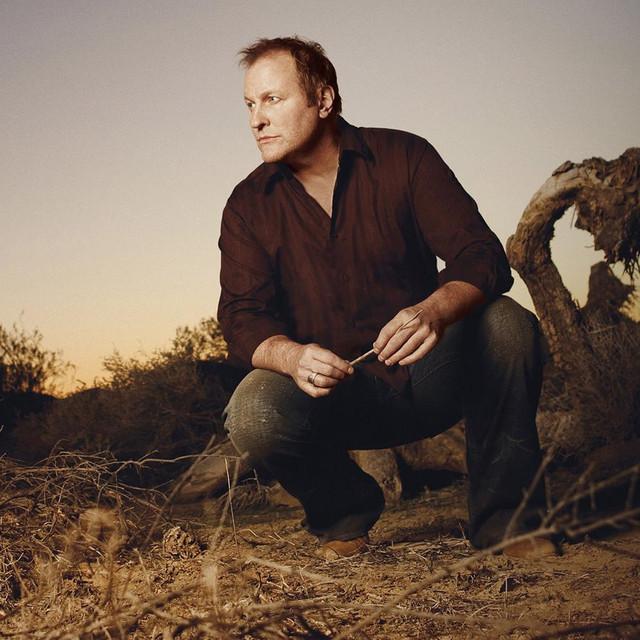
Collin Raye

Country
Contemporary Country
Mainstream Pop
 Viberate Rank: 22698
 Viberate Rank: 22698
 Monthly ListenersFollowers
 Subscribers
 Followers
 Followers
 FansTop Spotify Songs
| Track | 7-Day Streams | |
|---|---|---|
1 | 168.20K | |
2 | 108.40K | |
3 | 84.89K | |
4 | 58.28K | |
5 | 36.27K |
Top YouTube VideosMonthly ListenersFeatured in Playlists| Playlist | Followers | |
|---|---|---|
1 |  90s Country Spotify | 2.29M |
2 |  Country's Greatest Hits Spotify | 814.57K |
3 |  Old country classics and more Sam B. | 227.73K |
4 |  90's Country (Top 100) aly.matthews16 | 193.28K |
5 |  Country Love Songs❤️🔥 momeg78 | 147.18K |
Audience| City | Monthly Listeners | |
|---|---|---|
1 | | 13.00K |
2 | | 11.91K |
3 |  | 11.78K |
4 | | 10.07K |
5 | | 8.77K |
See full performance history, audience data, playlist activity, rankings, comparisons, and more in Viberate music analytics. Start with a free trial, then continue with a paid plan.
Collin Raye’s Spotify BioCollin Raye first reached the top of Billboard's Country charts in early 1992 with "Love, Me," a sentimental ballad recounting the enduring love between the narrator's grandparents. "Love, Me" was the first of four Country number one singles Raye racked up in the 1990s, and it also established the gentle touch that would serve him well throughout his career. He could kick up some dust -- "My Kind of Girl," a number one from 1995, was a lively bit of rocking country -- but at his core, Raye was a storyteller with a sweet streak, a singer who specialized in softer moments and slower tempos. These skills easily transferred over into contemporary Christian music, which he began recording on occasion in the 2000s. Even though he'd sometimes sing gospel, Raye continued to return to country on a regular basis, releasing albums like 2009's Never Going Back and 2020's Scars, which built upon the country-pop sound that made him a star in the early '90s.
Raye was born Floyd Collin Wray in De… Queen, Arkansas, in 1960, and his mother, Lois, was a locally popular singer who opened concerts for various Sun Records stars in the '50s. She sometimes brought Collin and his older brother Scott on-stage to harmonize with her, and so Collin first performed publicly at the age of seven. As teenagers, he and Scott formed a country-rock outfit called the Wray Brothers Band, and Collin adopted the stage name Bubba Wray. They first played in Texas roadhouses and honky tonks and later found regular gigs in Portland, Oregon, and Reno, Nevada; the group also recorded several independent-label singles starting in 1983. Shortening their name to the Wrays, they signed with Mercury in 1986 and released two singles over the next two years, but nothing came of them, and the band broke up. Raye contemplated leaving music in favor of a factory job that would support his new family but elected to stick it out, changing the spelling of his name and ultimately landing a deal with Epic in 1990.
Raye released his debut album, All I Can Be, in 1991, and it really took off with the release of its second single, "Love, Me." A tearjerker about the death of a loved one, "Love, Me" zoomed to the top of the country charts in early 1992, becoming a popular funeral song among fans. The follow-up single, "Every Second," went to number two, and All I Can Be went platinum -- as did its follow-up, 1992's In This Life, whose title track became Raye's second number one hit and a popular wedding ballad. In This Life also spun off three additional Top Ten hits in "I Want You Bad (And That Ain't Good)," "That Was a River," and "Somebody Else's Moon." Raye notched his third straight million-selling album with 1994's harder-rocking Extremes, whose number two hit "Little Rock" was his first big message song, taking on the subject of alcohol abuse. He also hit the Top Ten with "That's My Story," "Man of My Word," and "If I Were You" and landed another number one with "My Kind of Girl." 1995's I Think About You returned to his trademark ballad-heavy style and became his fourth platinum album in a row, helped by the Top Five hits "One Boy, One Girl," the anti-domestic-violence title track, the anti-racism "Not That Different," and "On the Verge."
Having cranked out hits for the last four years, Raye relaxed a little bit, issuing only the holiday album Christmas: The Gift in 1996 and the compilation The Best of Collin Raye: Direct Hits the following year; the latter's newly recorded "What the Heart Wants" and "Little Red Rodeo" both went Top Five. Finally, Raye issued another full album of new material, The Walls Came Down, in 1998. "Someone You Used to Know" and "Anyone Else" both made the Top Five, and "I Can Still Feel You" became Raye's fourth number one hit; the album also contained an anti-child-abuse statement in "The Eleventh Commandment." Perhaps Raye's recent divorce had turned his attention to children even more than usual, for he followed that with an album of lullabies for kids, Counting Sheep, in 2000. Later that year, he issued the proper album Tracks, which featured the Top Five hit "Couldn't Last a Moment" but didn't produce the usual number of massive singles. His next record, 2001's Can't Back Down, confirmed that Raye was hitting a sales slump, as it became his first album to miss the country Top Ten. The newly independent Raye took nearly five years to release his next studio LP. In the meantime, Live at Billy Bob's Texas appeared in 2004. The studio album Twenty Years and Change finally arrived in 2005 and marked a return -- for better or for worse -- to the ballad-heavy style that won him acclaim in the late '90s. ~ Steve Huey, Rovi
Viberate is a music analytics platform built for A&Rs, artist managers, labels, booking agents, marketers, and artists.
It helps music professionals track artist growth, analyze audience data, monitor playlist activity, compare artists, follow song performance, and identify opportunities across the music market.
Public artist pages provide a free preview of selected artist data. Paid plans provide access to deeper analytics, historical data, charts, comparisons, playlist tools, exports, alerts, reports, and additional professional features.
Yes. Public Viberate artist pages provide selected artist analytics and music data for free.
Viberate also offers a 7-day free trial of the full platform. A credit card is required to start the trial. The trial includes access to the complete product so users can test deeper artist analytics, historical views, playlist insights, comparisons, charts, exports, alerts, and reporting features before choosing a paid plan.
Viberate provides artist analytics across streaming, playlists, social media, video, radio airplay, songs, and audience markets.
Users can analyze Spotify performance, Spotify and Apple Music playlists, YouTube activity, TikTok and Instagram growth, radio spins, song performance, audience locations, demographics, rankings, and overall artist momentum.
Artist profiles also connect to music charts, similar artists, and comparison tools, helping users benchmark performance and evaluate artists in context.
Viberate updates key artist and track data daily.
For followed artists and tracks, selected data is refreshed multiple times per day. This helps teams monitor playlist changes, streaming movement, audience growth, releases, and campaign performance with more current data.
Update frequency can vary depending on the metric and data source.
Yes. Viberate lets users compare up to five artists side by side across streaming, social media, audience, and engagement metrics.
Users can compare fanbase growth, audience demographics, locations, Spotify performance, social metrics, and other artist data over selected time periods.
Artist comparison can be used for A&R scouting, benchmarking, booking decisions, campaign planning, and evaluating artists with similar audiences or market positions.