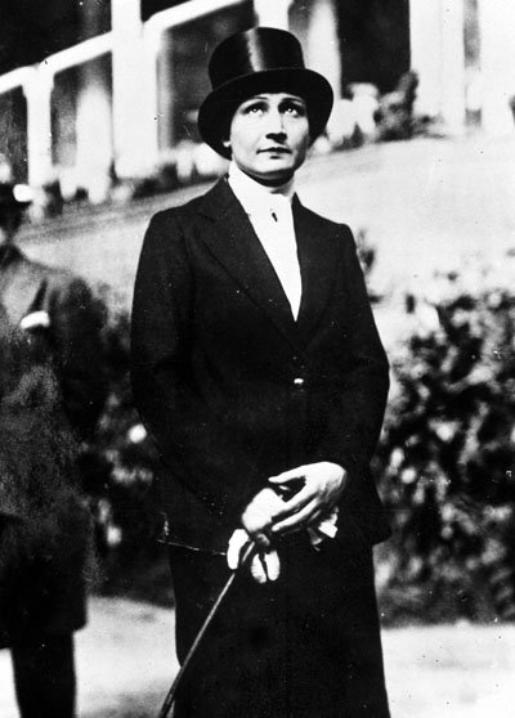
Colette Renard

European
French Folk
 Viberate Rank: 190229
 Viberate Rank: 190229
 Monthly ListenersFollowers
 Subscribers
 Followers
 Followers
 FansTop Spotify Songs
| Track | 7-Day Streams | |
|---|---|---|
1 | 4.86K | |
2 | 1.82K | |
3 | 916 | |
4 | 915 | |
5 | 880 |
Top YouTube VideosMonthly ListenersFeatured in Playlists| Playlist | Followers | |
|---|---|---|
1 |  Nancy Meyers' Kitchen Michael Bernardini | 62.79K |
2 |  Provence Work Music Jamie Beck | 12.57K |
3 |  This Is Yves Montand Spotify | 9.78K |
4 | Chanson « Paillarde » Alex Bader | 9.52K |
5 |  La Semaine Girl ❤️ La Semaine Paris | 8.35K |
Audience| City | Monthly Listeners | |
|---|---|---|
1 | | 649 |
2 |  | 292 |
3 | | 226 |
4 | | 187 |
5 | | 122 |
See full performance history, audience data, playlist activity, rankings, comparisons, and more in Viberate music analytics. Start with a free trial, then continue with a paid plan.
Colette Renard’s Spotify Biob. Colette Lucie Raget, 1 November 1924, Ermont, Seine-et-Oise, France, d. 6 October 2010, Saint-Rémy-lès-Chevreuse, France. After studying classical cello, Renard worked in various non-musical capacities, including becoming an administrative secretary for orchestra leader Raymond Legrand, whom she later married. She began singing and in 1956 played the lead in the first production of Irma La Douce, which was staged at Paris’ Theatre Gramont. Renard continued playing this role through the late 50s and would return to it often in later years, Alexandre Breffort and Marguerite Monnot’s songs becoming a staple of her repertoire. She became a popular recording and concert artist, maintaining a high level of activity and audience appreciation through into the late 90s. She also recorded traditional French songs as collected and adapted by Guy Breton.
From the late 50s Renard appeared in films, including Le Dos au Mur (US title: Back to the Wall), Business (1960) and Clodo (1970). Her… television appearances included roles in Les Dossiers de Me Robineau: Les Cagnards (1972), Un Grand Amour de Balzac and La Vie Rêvée de Vincent Scotto (both 1973), Mon Petit Âne, Ma Mère (1982), Maigret et la Princesse (2003), Plus Belle la Vie (2004) and Le Triporteur de Belleville (2005). She has also appeared as herself on television and in films, including Oscar Thiffault (1987). Her autobiography was published in 1998. Colette Renard died of cancer at the age of 85 on 6 October 2010 in Saint-Rémy-lès-Chevreuse, France.
Viberate is a music analytics platform built for A&Rs, artist managers, labels, booking agents, marketers, and artists.
It helps music professionals track artist growth, analyze audience data, monitor playlist activity, compare artists, follow song performance, and identify opportunities across the music market.
Public artist pages provide a free preview of selected artist data. Paid plans provide access to deeper analytics, historical data, charts, comparisons, playlist tools, exports, alerts, reports, and additional professional features.
Yes. Public Viberate artist pages provide selected artist analytics and music data for free.
Viberate also offers a 7-day free trial of the full platform. A credit card is required to start the trial. The trial includes access to the complete product so users can test deeper artist analytics, historical views, playlist insights, comparisons, charts, exports, alerts, and reporting features before choosing a paid plan.
Viberate provides artist analytics across streaming, playlists, social media, video, radio airplay, songs, and audience markets.
Users can analyze Spotify performance, Spotify and Apple Music playlists, YouTube activity, TikTok and Instagram growth, radio spins, song performance, audience locations, demographics, rankings, and overall artist momentum.
Artist profiles also connect to music charts, similar artists, and comparison tools, helping users benchmark performance and evaluate artists in context.
Viberate updates key artist and track data daily.
For followed artists and tracks, selected data is refreshed multiple times per day. This helps teams monitor playlist changes, streaming movement, audience growth, releases, and campaign performance with more current data.
Update frequency can vary depending on the metric and data source.
Yes. Viberate lets users compare up to five artists side by side across streaming, social media, audience, and engagement metrics.
Users can compare fanbase growth, audience demographics, locations, Spotify performance, social metrics, and other artist data over selected time periods.
Artist comparison can be used for A&R scouting, benchmarking, booking decisions, campaign planning, and evaluating artists with similar audiences or market positions.