Cólera

Punk
Punk Rock
Hardcore Punk
 Viberate Rank: 70390
 Viberate Rank: 70390
 Monthly ListenersFollowers
 Subscribers
 Followers
 Followers
 FansTop Spotify Songs
| Track | 7-Day Streams | |
|---|---|---|
1 | 7.06K | |
2 | 5.26K | |
3 | 5.05K | |
4 | 2.58K | |
5 | 2.52K |
Top YouTube VideosMonthly ListenersFeatured in Playlists| Playlist | Followers | |
|---|---|---|
1 |  The Sound of Everything The Sounds of Spotify | 53.81K |
2 |  80's Hardcore Punk Antonio Leal Filho | 20.65K |
3 |  Punk Rock Brasileiro Punkzilla! | 15.54K |
4 |  A Maior Playlist de Música Brasileira do Mundo Petrobras | 9.01K |
5 |  Punk Brasil @Playlist.Rock | 8.10K |
Audience| City | Monthly Listeners | |
|---|---|---|
1 | | 9.58K |
2 | | 1.81K |
3 | | 1.79K |
4 | | 1.61K |
5 | | 1.31K |
See full performance history, audience data, playlist activity, rankings, comparisons, and more in Viberate music analytics. Start with a free trial, then continue with a paid plan.
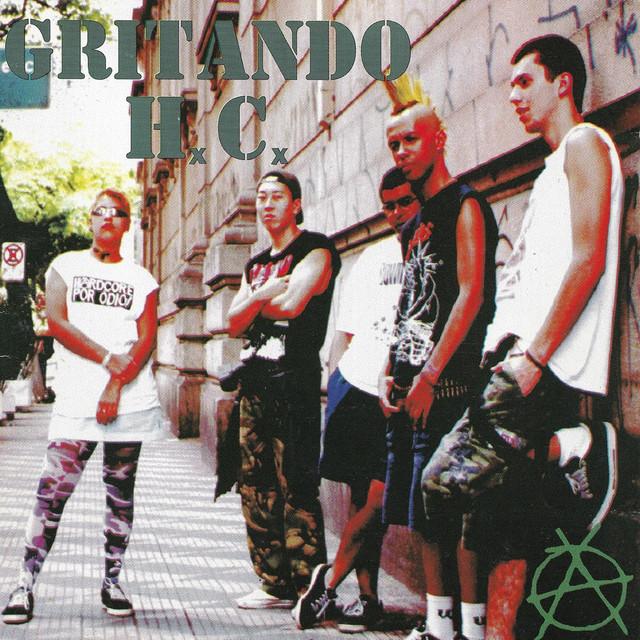
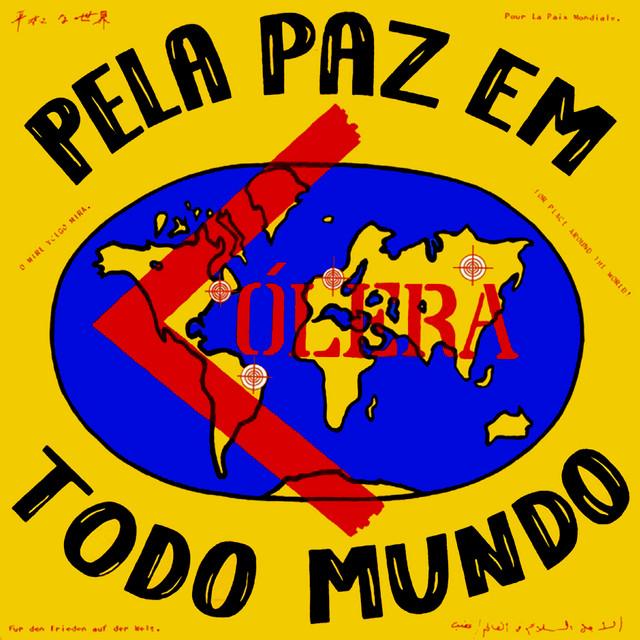
Cólera’s Spotify BioCólera was the first Brazilian punk rock band to record and also the first one to perform abroad. Formed in November, 1979, in São Paulo by brothers Edson Lopes Pozzi and Pierre (Carlos Lopes Pozzi) and friend Val (Valdemir Pinheiro, later replaced by Josué Correia, who was by his turn replaced by Fabio Bossi), the band is devoted to denouncing violence and war ("Pela Paz Em Todo Mundo", "Duas Ogivas"), exploitation and social injustice ("Não Fome", "Condenados", "Sarjeta"), slavery of man to machine ("1992") and the urban chaos ("Vivo Na Cidade", "São Paulo"). The first recording (Grito Suburbano, 1982) was shared with other bands of the homonymous movement which supported peace and ecological concerns in punk rock. The album was also released in Germany in 1984. They participated in three other compilations before recording the first of their eight LPs: O Começo Do Fim Do Mundo (November 1982), Sub (March 1983) and Beating the Meat (October 1983). Tente Mudar O Amanhã, the first LP,… was recorded in 1985. The second, Pela Paz Em Todo O Mundo (1986), became a classic of the style in Brazil, selling 80,000 copies (30,000 in the U.S. and Canada). In 1987, Cólera toured Europe performing 56 shows in 10 countries, including Germany, Denmark, Switzerland, and France. Some of those recordings were released as LPs. The group continued its activities and in 2000, Plebe Rude re-recorded "Medo" and Inocentes, "Quanto Vale a Liberdade". ~ Alvaro Neder, Rovi
Viberate is a music analytics platform built for A&Rs, artist managers, labels, booking agents, marketers, and artists.
It helps music professionals track artist growth, analyze audience data, monitor playlist activity, compare artists, follow song performance, and identify opportunities across the music market.
Public artist pages provide a free preview of selected artist data. Paid plans provide access to deeper analytics, historical data, charts, comparisons, playlist tools, exports, alerts, reports, and additional professional features.
Yes. Public Viberate artist pages provide selected artist analytics and music data for free.
Viberate also offers a 7-day free trial of the full platform. A credit card is required to start the trial. The trial includes access to the complete product so users can test deeper artist analytics, historical views, playlist insights, comparisons, charts, exports, alerts, and reporting features before choosing a paid plan.
Viberate provides artist analytics across streaming, playlists, social media, video, radio airplay, songs, and audience markets.
Users can analyze Spotify performance, Spotify and Apple Music playlists, YouTube activity, TikTok and Instagram growth, radio spins, song performance, audience locations, demographics, rankings, and overall artist momentum.
Artist profiles also connect to music charts, similar artists, and comparison tools, helping users benchmark performance and evaluate artists in context.
Viberate updates key artist and track data daily.
For followed artists and tracks, selected data is refreshed multiple times per day. This helps teams monitor playlist changes, streaming movement, audience growth, releases, and campaign performance with more current data.
Update frequency can vary depending on the metric and data source.
Yes. Viberate lets users compare up to five artists side by side across streaming, social media, audience, and engagement metrics.
Users can compare fanbase growth, audience demographics, locations, Spotify performance, social metrics, and other artist data over selected time periods.
Artist comparison can be used for A&R scouting, benchmarking, booking decisions, campaign planning, and evaluating artists with similar audiences or market positions.