Cold Reading

Rock
Indie Rock
Alternative Rock
 Viberate Rank: 484889
 Viberate Rank: 484889
 Monthly ListenersFollowers
 Subscribers
 Followers
 Followers
 FansTop Spotify Songs
| Track | 7-Day Streams | |
|---|---|---|
1 | 53 | |
2 | 18 | |
3 | 11 | |
4 | 6 | |
5 | 4 |
Top YouTube Videos| Video | 7-Day Views | |
|---|---|---|
1 | 1 |
Monthly ListenersFeatured in Playlists| Playlist | Followers | |
|---|---|---|
1 |  Volume Rock KROD Records | 7.69K |
2 |  This Is KROD Records KROD Records | 3.01K |
3 |  Indie+Rock KROD Records | 2.80K |
4 |  Grunge Revival Jesea Lee | 2.10K |
5 |  900+ emo & poppunk bands Eelke de Blouw | 1.54K |
Audience| City | Monthly Listeners | |
|---|---|---|
1 | | 7 |
2 |  | 7 |
3 |  | 6 |
4 | | 4 |
5 |  | 3 |
See full performance history, audience data, playlist activity, rankings, comparisons, and more in Viberate music analytics. Start with a free trial, then continue with a paid plan.
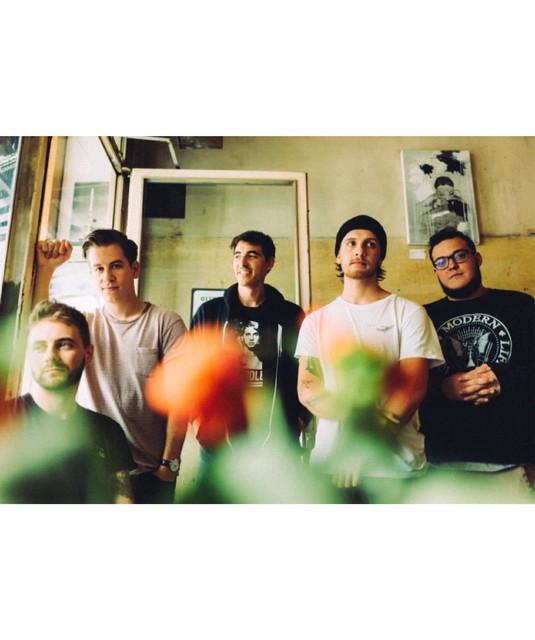
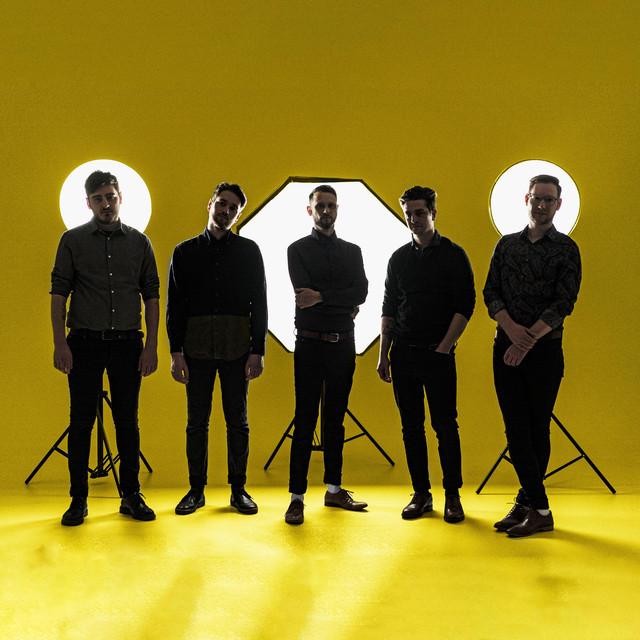
Cold Reading’s Spotify BioCold Reading are an Alternative Rock quintet hailing from Lucerne, Switzerland. Formed in 2014 after the dissolution of the members‘ previous musical projects, the band recorded and released their debut full-length „Fractures & Fragments“ via Flix Records the following year. The album displayed a dynamic, youthful sound that was rooted in late 90s and early 00s Emo/Post-Hardcore and allowed the band to tour Europe several times and open for acts such as The Get-up Kids, The Hotelier and Four Year Strong amongst others. In late 2016, Cold Reading – at the time still operating as a four-piece – teamed up with Tiago Fernandes at Proudly Ugly Studios to record a four-song EP called “Sojourner”. The EP saw them refine their signature sound and attracted considerable media traction upon its release in September 2017 via KROD Records.
2018 has been the most transformative year for Cold Reading so far. They added a second guitarist to their line-up and refrained from playing shows throughout… the year to set their eyes on the next big project. The result of strenuous but productive months of songwriting is a new three-part concept album called 'ZYT' which is out now via Krod Records.
Viberate is a music analytics platform built for A&Rs, artist managers, labels, booking agents, marketers, and artists.
It helps music professionals track artist growth, analyze audience data, monitor playlist activity, compare artists, follow song performance, and identify opportunities across the music market.
Public artist pages provide a free preview of selected artist data. Paid plans provide access to deeper analytics, historical data, charts, comparisons, playlist tools, exports, alerts, reports, and additional professional features.
Yes. Public Viberate artist pages provide selected artist analytics and music data for free.
Viberate also offers a 7-day free trial of the full platform. A credit card is required to start the trial. The trial includes access to the complete product so users can test deeper artist analytics, historical views, playlist insights, comparisons, charts, exports, alerts, and reporting features before choosing a paid plan.
Viberate provides artist analytics across streaming, playlists, social media, video, radio airplay, songs, and audience markets.
Users can analyze Spotify performance, Spotify and Apple Music playlists, YouTube activity, TikTok and Instagram growth, radio spins, song performance, audience locations, demographics, rankings, and overall artist momentum.
Artist profiles also connect to music charts, similar artists, and comparison tools, helping users benchmark performance and evaluate artists in context.
Viberate updates key artist and track data daily.
For followed artists and tracks, selected data is refreshed multiple times per day. This helps teams monitor playlist changes, streaming movement, audience growth, releases, and campaign performance with more current data.
Update frequency can vary depending on the metric and data source.
Yes. Viberate lets users compare up to five artists side by side across streaming, social media, audience, and engagement metrics.
Users can compare fanbase growth, audience demographics, locations, Spotify performance, social metrics, and other artist data over selected time periods.
Artist comparison can be used for A&R scouting, benchmarking, booking decisions, campaign planning, and evaluating artists with similar audiences or market positions.