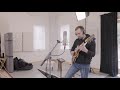
Cody Steinmann

Jazz
Jazz Fusion
 Viberate Rank: 312393
 Viberate Rank: 312393
 Monthly ListenersFollowers
 Subscribers
 Followers
 Followers
 FansTop Spotify Songs
| Track | 7-Day Streams | |
|---|---|---|
1 | 6 |
Top YouTube VideosMonthly ListenersFeatured in PlaylistsAudience| City | Monthly Listeners | |
|---|---|---|
1 | | 4 |
2 | | 3 |
See full performance history, audience data, playlist activity, rankings, comparisons, and more in Viberate music analytics. Start with a free trial, then continue with a paid plan.
Cody Steinmann’s Spotify BioCody Steinmann is a Minneapolis-based jazz guitarist, composer, and educator known for his genre-defying style, technical prowess, and deep emotional expression. He began his formal music training at Milwaukee Area Technical College, where he earned an Associate’s Degree in Music Occupations. He later attended the University of Wisconsin – Parkside, supported by the prestigious Rita Tallent Picken scholarship. Steinmann has studied under an impressive roster of mentors, including Steve Peplin, Russ Johnson, JD Allen, Solomon Parham, Jesse Catalino Montijo, Ari Honig, Johannes Weidenmueller, Scott Hesse, and Pete Mccan among others. Since relocating to Minneapolis, Steinmann has become a significant voice in the local jazz scene, leading multiple projects such as the Cody Steinmann Trio and Sightless Quartet. His work with Sightless Quartet explores the boundaries between jazz, metal, and hip-hop, pushing the envelope of what contemporary improvised music can sound like. He’s worked… with notable artists such as Javier Santiago, Ben Williams, JD Allen, Fode Bangoura, Max Gerl, Anthony Fung, Solomon Parham, Russ Johnson, Kevin Washington, Chris Bates, JT Bates and many more. Steinmann’s improvisational language is both grounded in jazz tradition and forward-looking, drawing from a wide range of musical influences. His contributions to Solomon Parham’s Forward, featuring Grammy-winning bassist Ben Williams, further underscore his rising profile in the national jazz community.
Viberate is a music analytics platform built for A&Rs, artist managers, labels, booking agents, marketers, and artists.
It helps music professionals track artist growth, analyze audience data, monitor playlist activity, compare artists, follow song performance, and identify opportunities across the music market.
Public artist pages provide a free preview of selected artist data. Paid plans provide access to deeper analytics, historical data, charts, comparisons, playlist tools, exports, alerts, reports, and additional professional features.
Yes. Public Viberate artist pages provide selected artist analytics and music data for free.
Viberate also offers a 7-day free trial of the full platform. A credit card is required to start the trial. The trial includes access to the complete product so users can test deeper artist analytics, historical views, playlist insights, comparisons, charts, exports, alerts, and reporting features before choosing a paid plan.
Viberate provides artist analytics across streaming, playlists, social media, video, radio airplay, songs, and audience markets.
Users can analyze Spotify performance, Spotify and Apple Music playlists, YouTube activity, TikTok and Instagram growth, radio spins, song performance, audience locations, demographics, rankings, and overall artist momentum.
Artist profiles also connect to music charts, similar artists, and comparison tools, helping users benchmark performance and evaluate artists in context.
Viberate updates key artist and track data daily.
For followed artists and tracks, selected data is refreshed multiple times per day. This helps teams monitor playlist changes, streaming movement, audience growth, releases, and campaign performance with more current data.
Update frequency can vary depending on the metric and data source.
Yes. Viberate lets users compare up to five artists side by side across streaming, social media, audience, and engagement metrics.
Users can compare fanbase growth, audience demographics, locations, Spotify performance, social metrics, and other artist data over selected time periods.
Artist comparison can be used for A&R scouting, benchmarking, booking decisions, campaign planning, and evaluating artists with similar audiences or market positions.