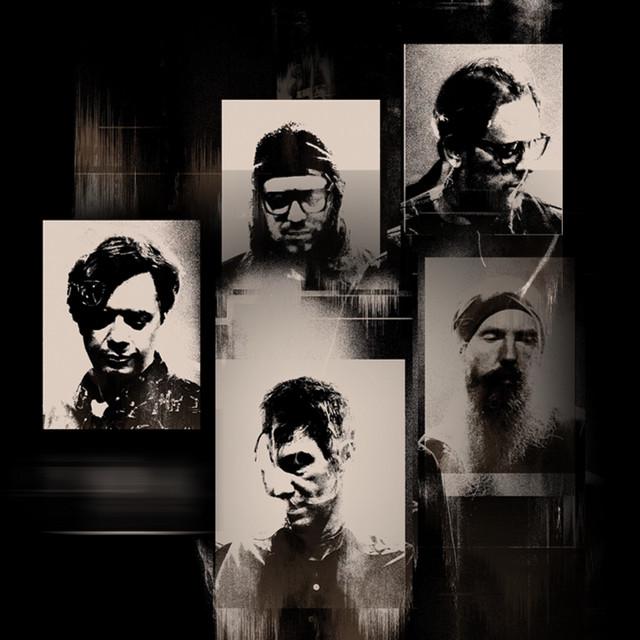
Codeseven

Rock
Alternative Rock
Space Rock
Hardcore Punk
 Viberate Rank: 326436
 Viberate Rank: 326436
 Monthly ListenersFollowers
 Subscribers
 Followers
 Followers
 FansTop Spotify Songs
| Track | 7-Day Streams | |
|---|---|---|
1 | 386 | |
2 | 235 | |
3 | 179 | |
4 | 138 | |
5 | 136 |
Top YouTube VideosMonthly ListenersFeatured in Playlists| Playlist | Followers | |
|---|---|---|
1 | 2nd Wave Emo & Post-Hardcore Pop Distro | 5.54K |
2 | rare nu-metal felixwhiite | 3.73K |
3 |  Tool influenced bands Tsantalis Chris | 2.07K |
4 |  Noisey Heaven The Chain Gang Of 1974 | 1.70K |
5 |  420 🌊 Tom Vu | 1.21K |
Audience| City | Monthly Listeners | |
|---|---|---|
1 | | 58 |
2 | | 45 |
3 | | 44 |
4 | | 35 |
5 | | 29 |
See full performance history, audience data, playlist activity, rankings, comparisons, and more in Viberate music analytics. Start with a free trial, then continue with a paid plan.
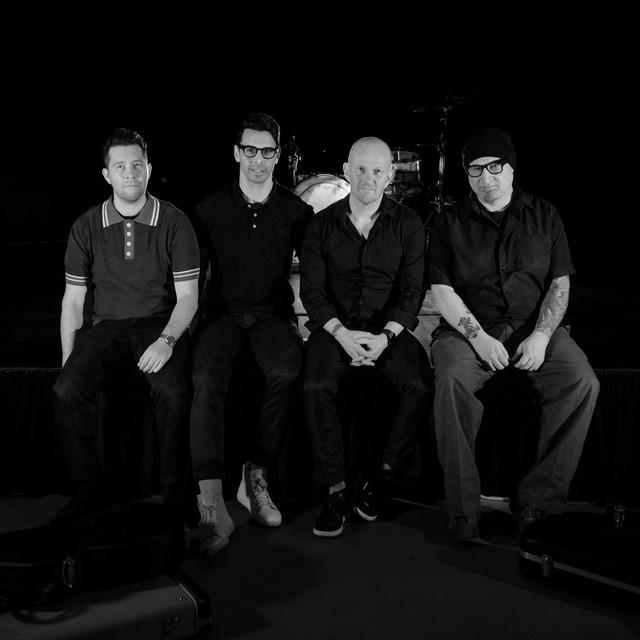
Codeseven’s Spotify BioCodeseven formed in 1995 in high school by brothers (James, Jon, and Matt Tuttle), Eric Weyer, Jeff Jenkins and David Owen. Their first demo Paper or Plastic was released in 1996. In 1998, Codeseven released A Sense of Coalition, a full-length that was catapulted by their daring rendition of “Boys of Summer,” thus putting the band on the map with a college radio Top 10. The band entered Godcity studios to record its Division of Labor EP which experimented with heavier sounds yet keeping the band’s melodic edge — which at the time was quite unconventional — Division of Labor hit the streets to rave reviews and interviews in Hit Parader, Metal Maniacs, Terrorizer, and Kerrang. It went on to top the CMJ metal charts and be featured on WWE’s Heat.
The Rescue pushed the boundaries of the genre, drawing on the eclectic, experimental interest of Pink Floyd and Bjork while capturing the energy and emotion of punk. It was produced by Alex Newport and released in May 2002 to critical acclaim and… tours with notable acts as Coheed and Cambria, Dredg, Poison the Well, and Hopesfall. Codeseven spent 2004 writing their Equal Vision Records debut titled Dancing Echoes / Dead Sounds, an album that saw the band expanding their vision in a darker and more electronic manner. The culmination of that evolving sound and friendship that is destined to speak volumes to their peers and those in the mainstream music world, DE/DS laid the groundwork for the band’s eventual comeback LP, Go Let It In.
Viberate is a music analytics platform built for A&Rs, artist managers, labels, booking agents, marketers, and artists.
It helps music professionals track artist growth, analyze audience data, monitor playlist activity, compare artists, follow song performance, and identify opportunities across the music market.
Public artist pages provide a free preview of selected artist data. Paid plans provide access to deeper analytics, historical data, charts, comparisons, playlist tools, exports, alerts, reports, and additional professional features.
Yes. Public Viberate artist pages provide selected artist analytics and music data for free.
Viberate also offers a 7-day free trial of the full platform. A credit card is required to start the trial. The trial includes access to the complete product so users can test deeper artist analytics, historical views, playlist insights, comparisons, charts, exports, alerts, and reporting features before choosing a paid plan.
Viberate provides artist analytics across streaming, playlists, social media, video, radio airplay, songs, and audience markets.
Users can analyze Spotify performance, Spotify and Apple Music playlists, YouTube activity, TikTok and Instagram growth, radio spins, song performance, audience locations, demographics, rankings, and overall artist momentum.
Artist profiles also connect to music charts, similar artists, and comparison tools, helping users benchmark performance and evaluate artists in context.
Viberate updates key artist and track data daily.
For followed artists and tracks, selected data is refreshed multiple times per day. This helps teams monitor playlist changes, streaming movement, audience growth, releases, and campaign performance with more current data.
Update frequency can vary depending on the metric and data source.
Yes. Viberate lets users compare up to five artists side by side across streaming, social media, audience, and engagement metrics.
Users can compare fanbase growth, audience demographics, locations, Spotify performance, social metrics, and other artist data over selected time periods.
Artist comparison can be used for A&R scouting, benchmarking, booking decisions, campaign planning, and evaluating artists with similar audiences or market positions.