Codeine

Hip Hop
Alternative Hip Hop
Alternative Rock
 Viberate Rank: 143319
 Viberate Rank: 143319
 Monthly ListenersFollowers
 Subscribers
 Followers
 Followers
 FansTop Spotify Songs
| Track | 7-Day Streams | |
|---|---|---|
1 | 5.13K | |
2 | 3.07K | |
3 | 2.84K | |
4 | 2.84K | |
5 | 2.34K |
Top YouTube Videos| Video | 7-Day Views | |
|---|---|---|
1 | 2 | |
2 | 2 | |
3 | 1 | |
4 | 1 |
Monthly ListenersFeatured in Playlists| Playlist | Followers | |
|---|---|---|
1 |  slowcore Spotify | 212.03K |
2 |  shoegaze essentials Heloísa | 33.14K |
3 |  Numero Group 26 Numero Group | 32.95K |
4 | 13 Reasons Why Season 1 and 2 Full Soundtrack itsmaffeu12345 | 32.62K |
5 |  pretty sad songs Vertigo Vinyl | 19.77K |
Audience| City | Monthly Listeners | |
|---|---|---|
1 |  | 815 |
2 | | 599 |
3 | | 574 |
4 | | 563 |
5 |  | 413 |
See full performance history, audience data, playlist activity, rankings, comparisons, and more in Viberate music analytics. Start with a free trial, then continue with a paid plan.
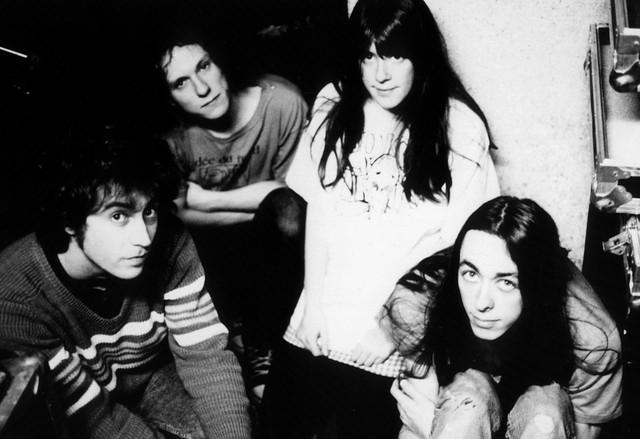
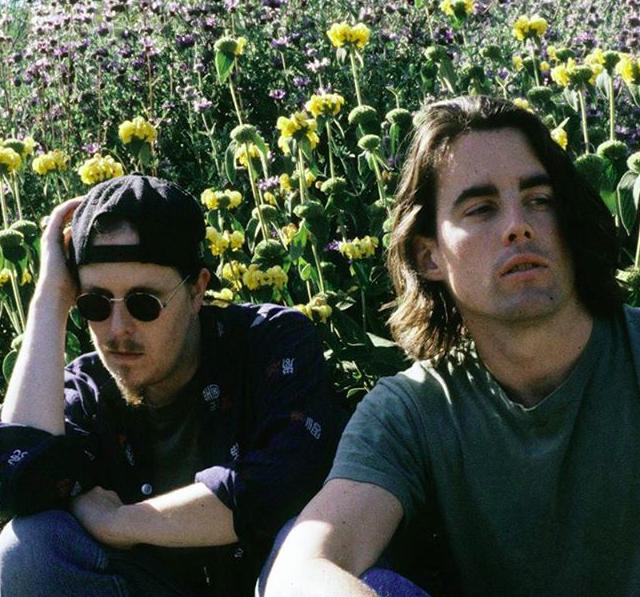
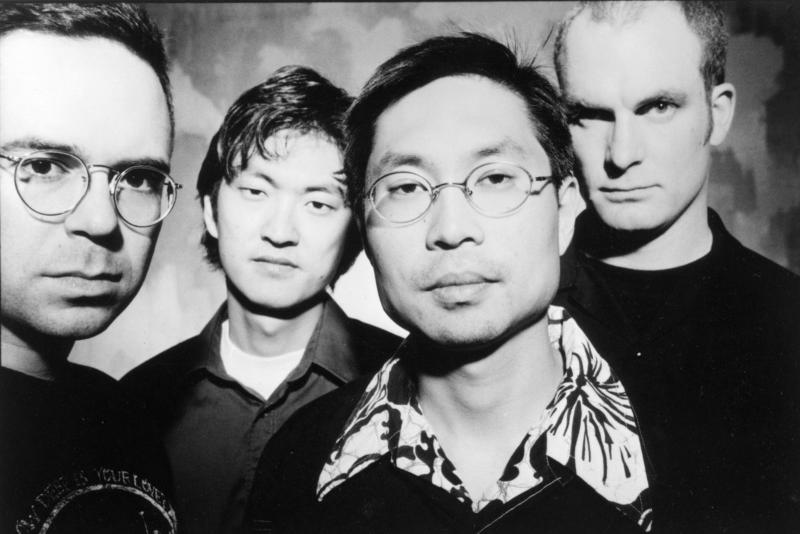
Codeine’s Spotify BioThe early-'90s New York trio Codeine were one of the earliest frontrunners of the American slowcore scene that included groups like Bedhead, American Analog Set, and Low. Taking audible inspiration from the third Velvet Underground album and scene pioneers Galaxie 500, but adding a more aggressive tone and slowing the tempos down even further, Codeine sounded almost entirely unique at the time, though their style was immediately adopted by a number of other new bands. Codeine had a relatively brief initial run, breaking up in 1994 and releasing just a smattering of singles, an EP, debut album Frigid Stars LP (1990), and its follow-up The White Birch (1994). In 2012, however, their lasting influence and legacy were enough to merit both a reunion and the release of the extensive anthology collection When I See the Sun.
Codeine were formed in 1989 by bassist/singer Stephen Immerwahr, guitarist John Engle, and drummer Chris Brokaw. Their demo, a tortured version of the Pete Ham/Tom Evans… classic "Without You" that stretches the four-minute song out to nine, got the band signed to Glitterhouse Records in Europe and Sub Pop in the U.S. the following year. Their debut album, Frigid Stars LP, was released by Glitterhouse in late 1990 and Sub Pop in the spring of 1991 to generally positive reviews.
A lengthy EP, Barely Real, came out in 1992. Although the record varies Codeine's sound a bit with piano by ex-Squirrel Bait member turned art rocker David Grubbs (Codeine had toured Europe with Grubbs' instrumental group Bastro) and a noise guitar freakout by Bitch Magnet leader Jon Fine, plus a cover of MX-80 Sound's "Promise of Love," Barely Real is basically a continuation of the style perfected on Frigid Stars LP.
Beginning in 1991, Brokaw was pulling double duty, playing drums in Codeine and guitar in Thalia Zedek's band Come. Brokaw finally left Codeine in late 1992 to devote his full energies to his other band. After an already planned U.S. tour went ahead with Brokaw's hastily selected temporary replacement, Antietam's Josh Madell, Engle and Immerwahr began auditioning for a permanent drummer who could match their agonizingly slow tempos. Douglas Scharin, a member of the Brooklyn chamber rock quartet Rex (who, unlike Brokaw, managed to maintain his dual band memberships), was selected and the newly reconfigured trio spent a summer in Grubbs' hometown of Louisville, Kentucky, tweaking old material for touring purposes and writing new songs.
A single produced by Grubbs, "Tom," was released in the fall of 1993, followed by the full-length The White Birch in April 1994. Slightly more melodic than the earlier albums, but just as languorously paced, The White Birch is probably the group's best record. After an extensive U.S. tour, the trio split amicably to work on other projects. Scharin returned to Rex, then later worked with the instrumental post-rock project HIM and the harder-edged June of 44. Immerwahr started a new band, Raymond.
In 2011, Codeine were contacted by the Numero Group about re-releasing all their albums in one giant box set. When I See the Sun, which featured almost as many bonus tracks as previously released album tracks, was released in early summer of 2012. Around the same time, the band reunited (at the request of longtime fans Mogwai) to play a handful of festivals and concert dates. Numero Group continued their campaign of issuing rare or previously unreleased Codeine material in 2013 with live album What About the Lonely?, a recording of a Chicago gig from 1992. In 2022, the label put of Dessau, an eight-song set from 1992 intended to be the band's second album but was ultimately shelved. Sessions for Dessau included several songs that would eventually be re-recorded for The White Birch after Brokaw left the band, as well as some songs that were used on Barely Real, along with other miscellaneous tracks. ~ Stewart Mason, Rovi
Viberate is a music analytics platform built for A&Rs, artist managers, labels, booking agents, marketers, and artists.
It helps music professionals track artist growth, analyze audience data, monitor playlist activity, compare artists, follow song performance, and identify opportunities across the music market.
Public artist pages provide a free preview of selected artist data. Paid plans provide access to deeper analytics, historical data, charts, comparisons, playlist tools, exports, alerts, reports, and additional professional features.
Yes. Public Viberate artist pages provide selected artist analytics and music data for free.
Viberate also offers a 7-day free trial of the full platform. A credit card is required to start the trial. The trial includes access to the complete product so users can test deeper artist analytics, historical views, playlist insights, comparisons, charts, exports, alerts, and reporting features before choosing a paid plan.
Viberate provides artist analytics across streaming, playlists, social media, video, radio airplay, songs, and audience markets.
Users can analyze Spotify performance, Spotify and Apple Music playlists, YouTube activity, TikTok and Instagram growth, radio spins, song performance, audience locations, demographics, rankings, and overall artist momentum.
Artist profiles also connect to music charts, similar artists, and comparison tools, helping users benchmark performance and evaluate artists in context.
Viberate updates key artist and track data daily.
For followed artists and tracks, selected data is refreshed multiple times per day. This helps teams monitor playlist changes, streaming movement, audience growth, releases, and campaign performance with more current data.
Update frequency can vary depending on the metric and data source.
Yes. Viberate lets users compare up to five artists side by side across streaming, social media, audience, and engagement metrics.
Users can compare fanbase growth, audience demographics, locations, Spotify performance, social metrics, and other artist data over selected time periods.
Artist comparison can be used for A&R scouting, benchmarking, booking decisions, campaign planning, and evaluating artists with similar audiences or market positions.