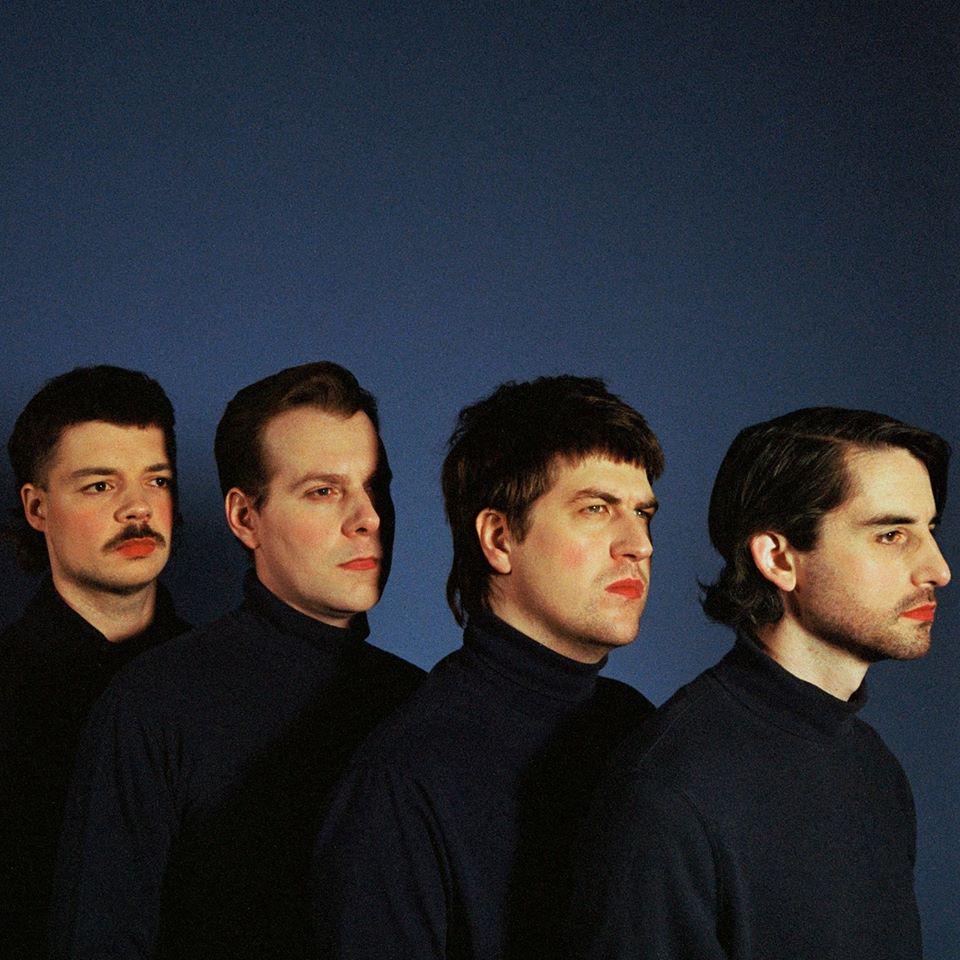
CMON

Rock
Indie Rock
Indie Pop
 Viberate Rank: 441451
 Viberate Rank: 441451
 Monthly ListenersFollowers
 Subscribers
 Followers
 Followers
 FansTop Spotify Songs
| Track | 7-Day Streams | |
|---|---|---|
1 | 49 | |
2 | 46 | |
3 | 30 | |
4 | 27 | |
5 | 24 |
Top YouTube VideosMonthly ListenersFeatured in Playlists| Playlist | Followers | |
|---|---|---|
1 |  [HOUSE OF SPOILS] HOUSE RADIO Spoils | 12.21K |
2 |  David Dean Burkhart Mirror.FM | 7.67K |
3 | The Guardian's top songs of 2020 Guardian Music | 2.54K |
4 |  The Sound of LA Indie The Sounds of Spotify | 2.46K |
5 |  The Daily Indie Playlist indieplaylist | 1.95K |
Audience| City | Monthly Listeners | |
|---|---|---|
1 |  | 14 |
2 | | 14 |
3 | | 12 |
4 | | 12 |
5 | | 6 |
See full performance history, audience data, playlist activity, rankings, comparisons, and more in Viberate music analytics. Start with a free trial, then continue with a paid plan.
CMON’s Spotify BioCMON (Confusing Mix Of Nations) is Josh Da Costa and Jamen Whitelock, a duo that met in New York where they created the band Regal Degal in 2009. As Regal Degal, they released three EPs and two albums, while touring with bands such as Grizzly Bear, DIIV, and Real Estate. Shortly after their 2015 album Not Now was released, Josh Da Costa moved to Los Angeles where he played drums for Chris Cohen, Drugdealer and produced Dinner’s 2017 album New Work. Although Josh and Jamen were on opposite coasts, Jamen bounced back and forth between New York and Los Angeles, where they’ve been recording and performing as CMON. They combed through old demos, retooling them into spaced out dance music featuring twangy guitar riffs, analog drum machines and lush synth textures. CMON, uninhibited by the limitations of a typical rock band, embrace technology to construct a hybrid sound inspired by the past, present and future. CMON’s music is built for heady crate-diggers and the cutting-edge partygoers,… perfect for both the headphones and the club.
Viberate is a music analytics platform built for A&Rs, artist managers, labels, booking agents, marketers, and artists.
It helps music professionals track artist growth, analyze audience data, monitor playlist activity, compare artists, follow song performance, and identify opportunities across the music market.
Public artist pages provide a free preview of selected artist data. Paid plans provide access to deeper analytics, historical data, charts, comparisons, playlist tools, exports, alerts, reports, and additional professional features.
Yes. Public Viberate artist pages provide selected artist analytics and music data for free.
Viberate also offers a 7-day free trial of the full platform. A credit card is required to start the trial. The trial includes access to the complete product so users can test deeper artist analytics, historical views, playlist insights, comparisons, charts, exports, alerts, and reporting features before choosing a paid plan.
Viberate provides artist analytics across streaming, playlists, social media, video, radio airplay, songs, and audience markets.
Users can analyze Spotify performance, Spotify and Apple Music playlists, YouTube activity, TikTok and Instagram growth, radio spins, song performance, audience locations, demographics, rankings, and overall artist momentum.
Artist profiles also connect to music charts, similar artists, and comparison tools, helping users benchmark performance and evaluate artists in context.
Viberate updates key artist and track data daily.
For followed artists and tracks, selected data is refreshed multiple times per day. This helps teams monitor playlist changes, streaming movement, audience growth, releases, and campaign performance with more current data.
Update frequency can vary depending on the metric and data source.
Yes. Viberate lets users compare up to five artists side by side across streaming, social media, audience, and engagement metrics.
Users can compare fanbase growth, audience demographics, locations, Spotify performance, social metrics, and other artist data over selected time periods.
Artist comparison can be used for A&R scouting, benchmarking, booking decisions, campaign planning, and evaluating artists with similar audiences or market positions.