Clint Lowery

Rock
Hard Rock
Alternative Rock
 Viberate Rank: 114972
 Viberate Rank: 114972
 Monthly ListenersFollowers
 Subscribers
 Followers
 Followers
 FansTop Spotify Songs
| Track | 7-Day Streams | |
|---|---|---|
1 | 3.85K | |
2 | 1.37K | |
3 | 806 | |
4 | 469 | |
5 | 322 |
Top YouTube Videos| Video | 7-Day Views | |
|---|---|---|
1 | 253 | |
2 | 192 | |
3 | 82 | |
4 | 73 | |
5 | 71 |
Monthly ListenersFeatured in Playlists| Playlist | Followers | |
|---|---|---|
1 | Hard Rock Training/Workout nachpe | 26.21K |
2 | Rockers workout Chris Dial | 21.55K |
3 |  Military Workout Thomas S. | 14.46K |
4 | 1273922645 | 9.06K |
5 | Acoustic Rock stevenoss | 7.85K |
Audience| City | Monthly Listeners | |
|---|---|---|
1 | | 70 |
2 | | 66 |
3 | | 50 |
4 |  | 47 |
5 | | 44 |
See full performance history, audience data, playlist activity, rankings, comparisons, and more in Viberate music analytics. Start with a free trial, then continue with a paid plan.
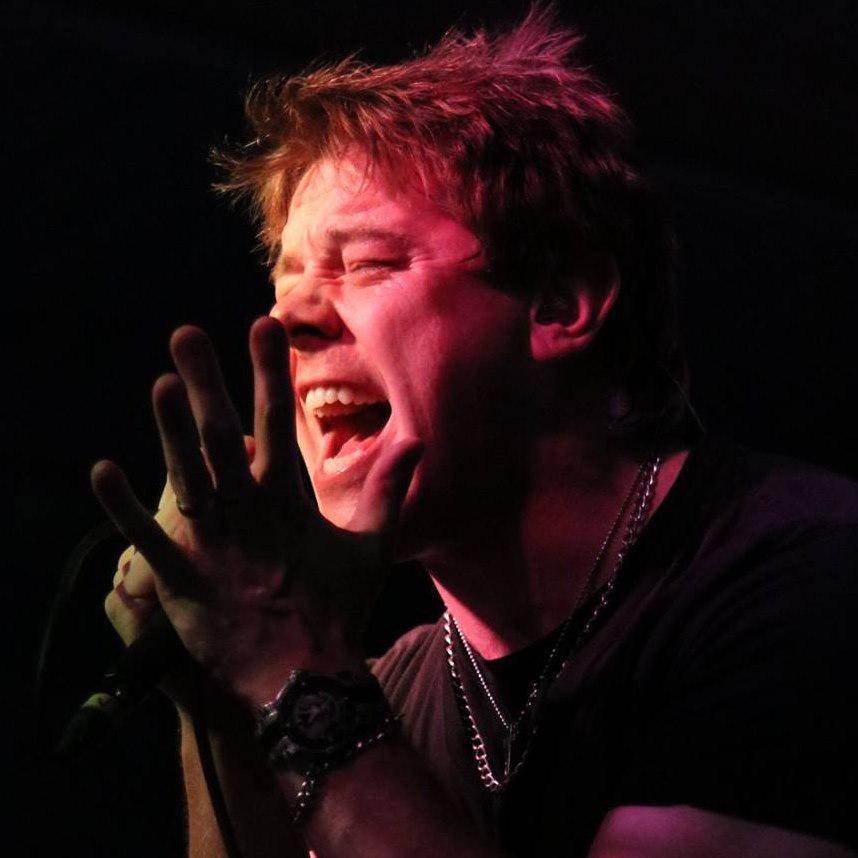
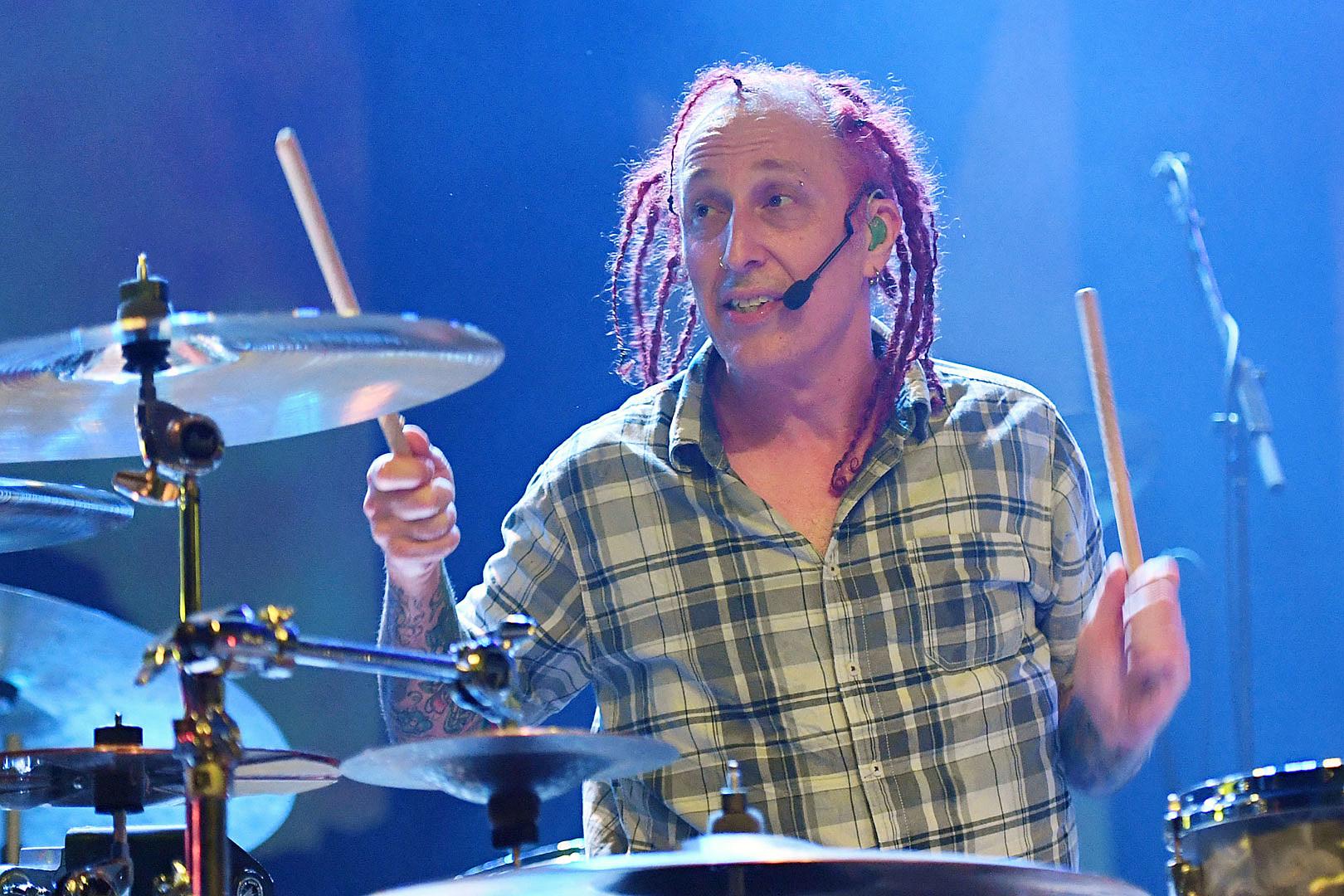
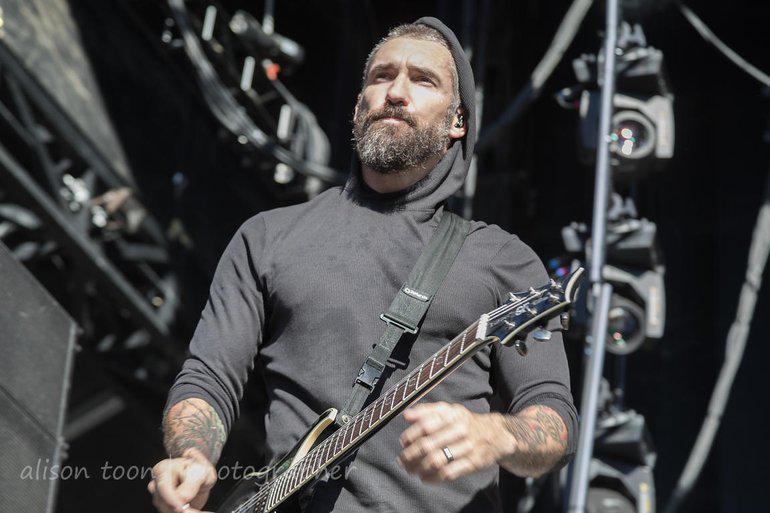
Clint Lowery’s Spotify BioA versatile and prolific American multi-instrumentalist, songwriter, and producer, Clint Lowery is best known as the guitarist and backing vocalist of Sevendust, an Atlanta-based hard rock/nu-metal group whose blend of bottom-heavy riffs and accessible melodies found huge commercial success in the late '90s and 2000s. In addition to his work with Sevendust, Lowery plays in the heavy metal supergroups Dark New Day and Call Me No One, has served as the touring guitarist for Korn and Seether, and has released solo material under his own name, as well as under the moniker Clint Lowery's Hello Demons Meet Skeletons.
Born in Jacksonville, Florida, Lowery began playing in the band Still Rain in 1989 alongside vocalist Donnie Hamby, future Evanescence and DoubleDrive guitarist Troy McLawhorn, sibling and future Saint Asonia and Stuck Mojo bassist Corey Lowery, and future Danzig and Madfly drummer Bevan Davies. He joined Sevendust in 1996, with whom he would go on to release multiple… chart-topping albums, three of which, Sevendust (1997), Home (1999), and Animosity (2001), were certified gold.
Lowery left the group in 2004 to team up with his brother, Virgos Merlot's Brett Hestla, old Still Rain bandmate Troy McLawhorn, and Skrape's Will Hunt for the active rock supergroup Dark New Day, who released their debut album Twelve Year Silence in 2005. Two years later Lowery joined Korn on the road as their live guitarist, but was forced to leave after seven months in the wake of his arrest in Slovakia for trashing his hotel room. In 2008 he rejoined Sevendust and appeared on the group's eighth studio long-player, Cold Day Memory, which proved to be their highest-charting debut to date. That same year saw Lowery composed and recorded the highly personal six-song EP Chills, which he released under the name Hello Demons Meet Skeletons. He issued two more EPs under the moniker in 2011, and in 2012 Dark New Day unleashed their sophomore full-length effort, New Tradition.
2012 also saw Lowery team up with Sevendust bandmate Morgan Rose for the LP Last Parade, which they released as Call Me No One. Dark New Day's Hail Mary arrived in 2013, as did Sevendust's Black Out the Sun. Lowery continued to put out new material with his flagship band, including 2018's All I See Is War, and in 2020 he released his Rise Records-issued solo debut God Bless the Renegades, which was produced and co-written by Michael "Elvis" Baskette (Slash, Alter Bridge), and featured drums courtesy of Wolfgang Van Halen. ~ James Christopher Monger, Rovi
Viberate is a music analytics platform built for A&Rs, artist managers, labels, booking agents, marketers, and artists.
It helps music professionals track artist growth, analyze audience data, monitor playlist activity, compare artists, follow song performance, and identify opportunities across the music market.
Public artist pages provide a free preview of selected artist data. Paid plans provide access to deeper analytics, historical data, charts, comparisons, playlist tools, exports, alerts, reports, and additional professional features.
Yes. Public Viberate artist pages provide selected artist analytics and music data for free.
Viberate also offers a 7-day free trial of the full platform. A credit card is required to start the trial. The trial includes access to the complete product so users can test deeper artist analytics, historical views, playlist insights, comparisons, charts, exports, alerts, and reporting features before choosing a paid plan.
Viberate provides artist analytics across streaming, playlists, social media, video, radio airplay, songs, and audience markets.
Users can analyze Spotify performance, Spotify and Apple Music playlists, YouTube activity, TikTok and Instagram growth, radio spins, song performance, audience locations, demographics, rankings, and overall artist momentum.
Artist profiles also connect to music charts, similar artists, and comparison tools, helping users benchmark performance and evaluate artists in context.
Viberate updates key artist and track data daily.
For followed artists and tracks, selected data is refreshed multiple times per day. This helps teams monitor playlist changes, streaming movement, audience growth, releases, and campaign performance with more current data.
Update frequency can vary depending on the metric and data source.
Yes. Viberate lets users compare up to five artists side by side across streaming, social media, audience, and engagement metrics.
Users can compare fanbase growth, audience demographics, locations, Spotify performance, social metrics, and other artist data over selected time periods.
Artist comparison can be used for A&R scouting, benchmarking, booking decisions, campaign planning, and evaluating artists with similar audiences or market positions.