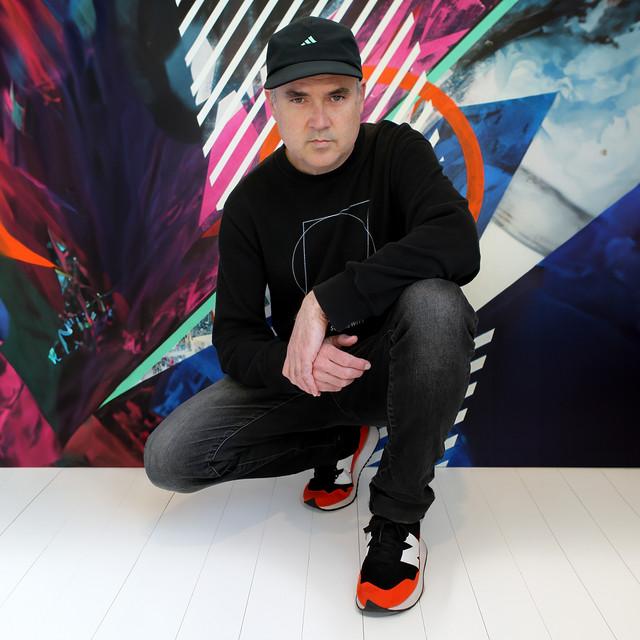
Climate Zombies

Pop
Indie Pop
Synthpop
 Viberate Rank: 378124
 Viberate Rank: 378124
 Monthly ListenersFollowers
 Subscribers
 Followers
 Followers
 FansTop Spotify Songs
| Track | 7-Day Streams | |
|---|---|---|
1 | 12.10K | |
2 | 3.94K | |
3 | 379 | |
4 | 294 | |
5 | 282 |
Top YouTube Videos| Video | 7-Day Views | |
|---|---|---|
1 | 1 |
Monthly ListenersFeatured in Playlists| Playlist | Followers | |
|---|---|---|
1 |  Synthwave 101 (Over 1800 artists here and in the archives) Julian Green | 1.56K |
2 |  New Italo Disco 2026 Italo_king | 1.24K |
3 |  NEXT GENERATION (New Wave, Synthpop, Coldwave, Darkwave Peter Post-Punk | 1.18K |
Audience| City | Monthly Listeners | |
|---|---|---|
1 |  | 674 |
2 |  | 626 |
3 | | 491 |
4 | | 379 |
5 | | 376 |
See full performance history, audience data, playlist activity, rankings, comparisons, and more in Viberate music analytics. Start with a free trial, then continue with a paid plan.
Climate Zombies’ Spotify BioSynthpop from a post-apocalyptic Sweden. The world burns – we dance.
Climate Zombies was born in March 2019, inspired by the desire to blend synthpop sounds with meaningful storytelling. It all began when Ola Stålebrink started asking friends about joining a synthpop band. At Eksjö Stadsfest in 2018, a friend, Marcus, volunteered to sing, sparking the creation of their first song. Inspired by the '80s focus on the Cold War, Ola turned to today's pressing issue—climate change—for the track Climate Zombies, which eventually became the band’s name.
Marcus, whose voice and memory remain integral to the band, tragically passed away in December 2021. Since then, Climate Zombies has continued to evolve. In summer 2019, Lasse Ugarph joined the project, officially becoming a member that autumn.
The band’s music features collaborations, such as Mia Einarsson’s haunting vocals on I Feel So Alone. Their latest single, Monster, blends atmospheric synths with powerful lyrics, showcasing their unique… ability to combine introspection with bold, experimental sounds.
From its heartfelt beginnings to its growing impact, Climate Zombies crafts synthpop that speaks to both the head and the
heart. The goal is to release 10 tracks 2026.
https://climatezombies.com/
https://www.facebook.com/climatezombies/
https://www.tiktok.com/@climatezombies/
Viberate is a music analytics platform built for A&Rs, artist managers, labels, booking agents, marketers, and artists.
It helps music professionals track artist growth, analyze audience data, monitor playlist activity, compare artists, follow song performance, and identify opportunities across the music market.
Public artist pages provide a free preview of selected artist data. Paid plans provide access to deeper analytics, historical data, charts, comparisons, playlist tools, exports, alerts, reports, and additional professional features.
Yes. Public Viberate artist pages provide selected artist analytics and music data for free.
Viberate also offers a 7-day free trial of the full platform. A credit card is required to start the trial. The trial includes access to the complete product so users can test deeper artist analytics, historical views, playlist insights, comparisons, charts, exports, alerts, and reporting features before choosing a paid plan.
Viberate provides artist analytics across streaming, playlists, social media, video, radio airplay, songs, and audience markets.
Users can analyze Spotify performance, Spotify and Apple Music playlists, YouTube activity, TikTok and Instagram growth, radio spins, song performance, audience locations, demographics, rankings, and overall artist momentum.
Artist profiles also connect to music charts, similar artists, and comparison tools, helping users benchmark performance and evaluate artists in context.
Viberate updates key artist and track data daily.
For followed artists and tracks, selected data is refreshed multiple times per day. This helps teams monitor playlist changes, streaming movement, audience growth, releases, and campaign performance with more current data.
Update frequency can vary depending on the metric and data source.
Yes. Viberate lets users compare up to five artists side by side across streaming, social media, audience, and engagement metrics.
Users can compare fanbase growth, audience demographics, locations, Spotify performance, social metrics, and other artist data over selected time periods.
Artist comparison can be used for A&R scouting, benchmarking, booking decisions, campaign planning, and evaluating artists with similar audiences or market positions.