Claw Boys Claw

Rock
Pop Rock
Mainstream Pop
 Viberate Rank: 178665
 Viberate Rank: 178665
 Monthly ListenersFollowers
 Subscribers
 Followers
 Followers
 FansTop Spotify Songs
| Track | 7-Day Streams | |
|---|---|---|
1 | 14.50K | |
2 | 2.15K | |
3 | 1.37K | |
4 | 615 | |
5 | 472 |
Top YouTube Videos| Video | 7-Day Views | |
|---|---|---|
1 | 33 | |
2 | 3 |
Monthly ListenersFeatured in Playlists| Playlist | Followers | |
|---|---|---|
1 |  NPO Radio 2 Top 2000 (2025) NPO Radio 2 | 224.88K |
2 | Top 2000 2018 Completer osakaosaka | 41.80K |
3 | Best of the 90s Emiel Theloosen | 31.55K |
4 |  KINK 1500 KINK | 14.89K |
5 |  NPO Radio 2 • TOP 2000 (2025) Kayote | 13.42K |
Audience| City | Monthly Listeners | |
|---|---|---|
1 | | 3.50K |
2 | | 840 |
3 |  | 756 |
4 | | 737 |
5 | | 644 |
See full performance history, audience data, playlist activity, rankings, comparisons, and more in Viberate music analytics. Start with a free trial, then continue with a paid plan.
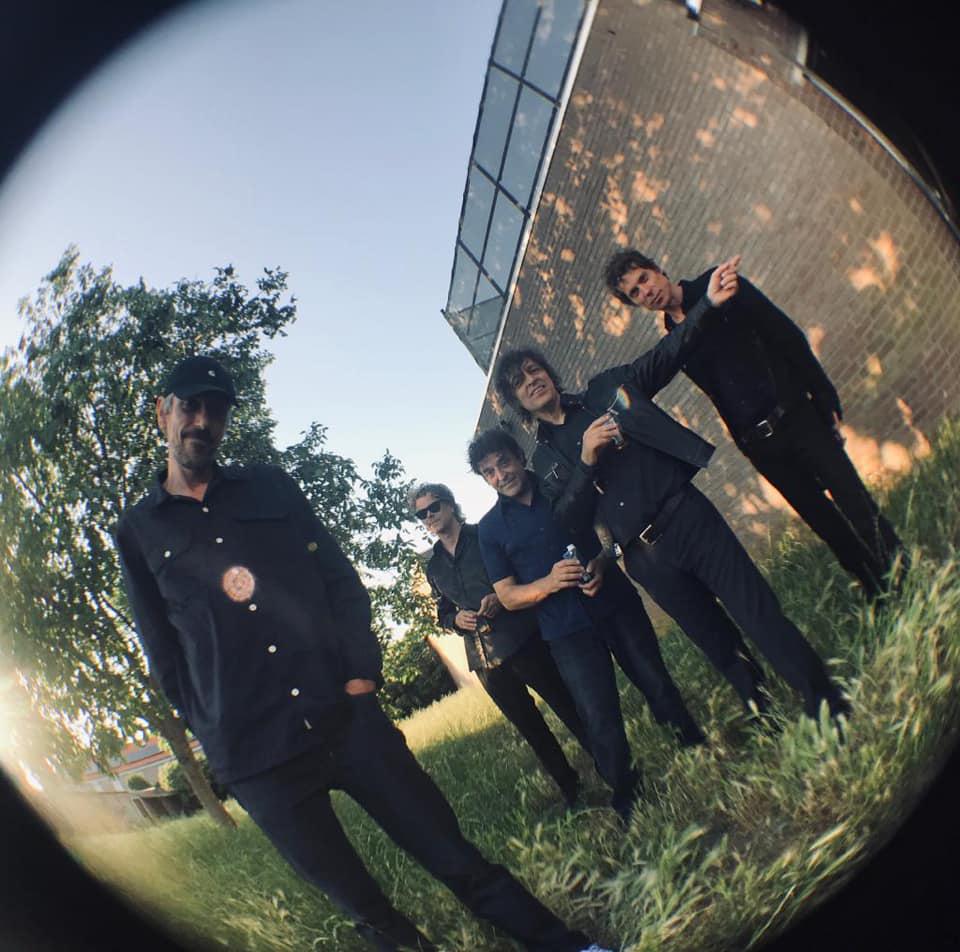
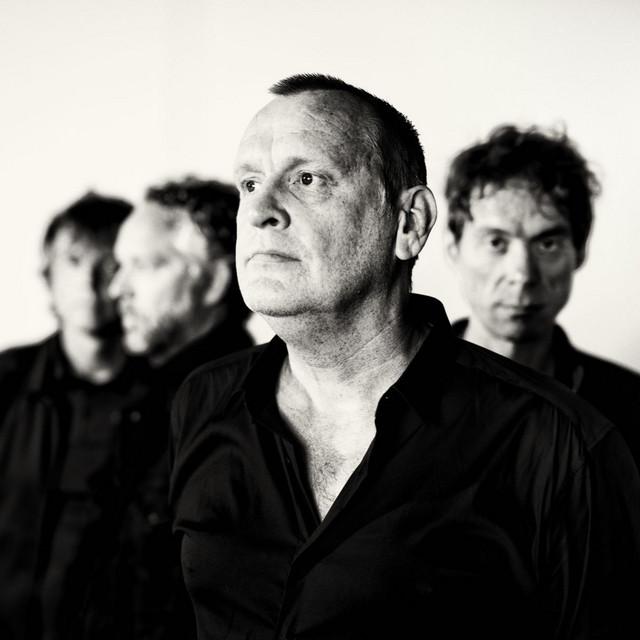
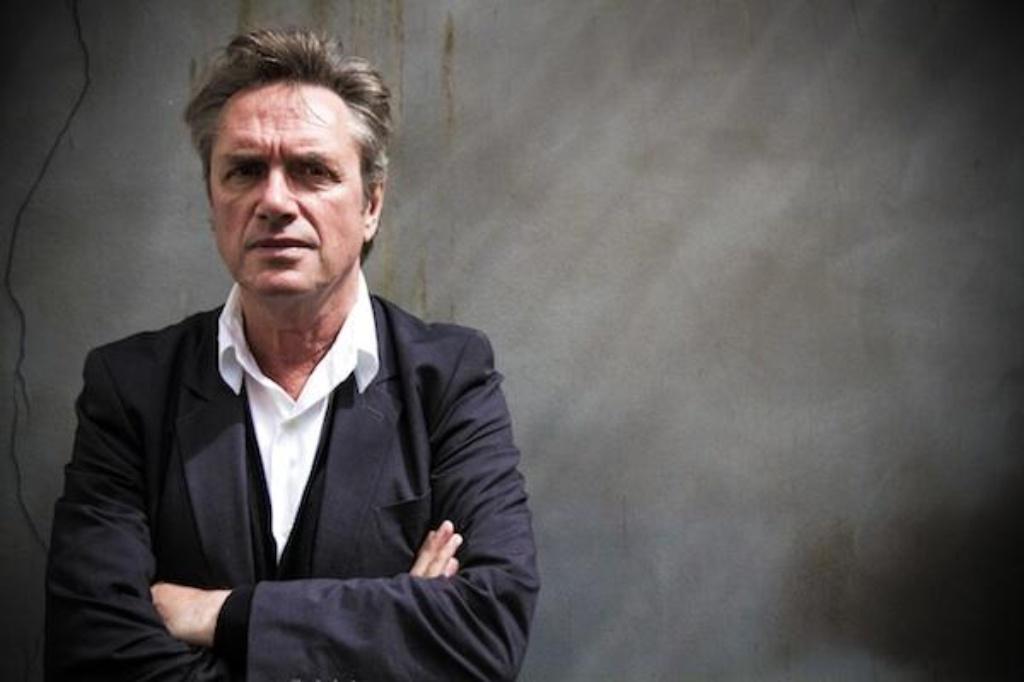
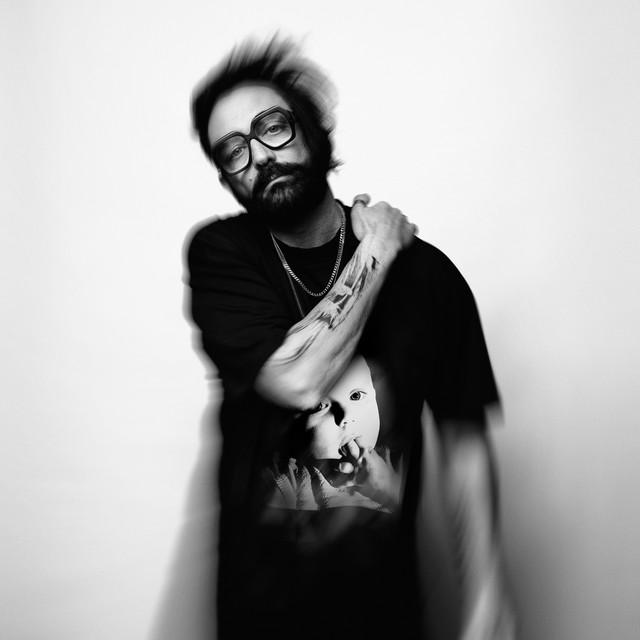
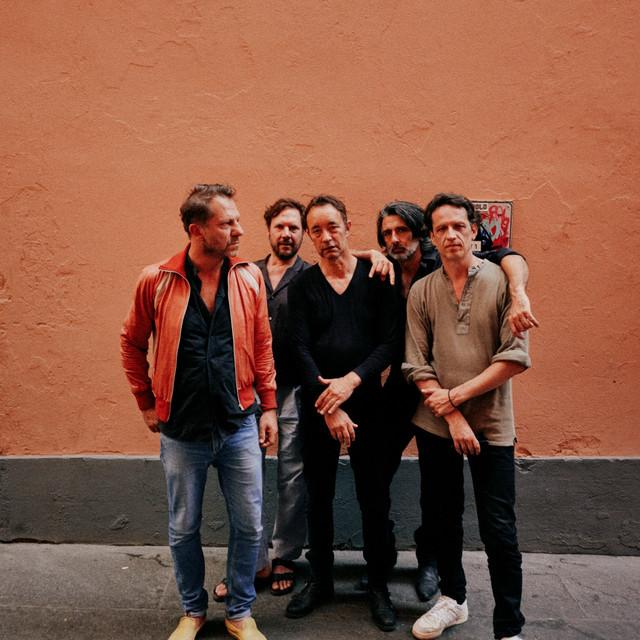
Claw Boys Claw’s Spotify BioGod help the beast in Claw Boys Claw, for they are the expert representatives of a truly deranged performance mentality ever to dwell on the Dutch club circuit. On-stage, the band's main attraction is lead singer Peter Te Bos, quite possibly a species of the same breed as Jeffrey Lee Pierce, Nick Cave circa the Birthday Party, and Stooges-era Iggy Pop. Obviously inspired by these better-known U.S. colleagues, between 1983 and 1997 Claw Boys Claw succeeded in carving their own piece of garage rock and punk blues , introducing subtle doses of psychedelia and country on 1997's Will-o-the-Wisp. Although never officially disbanding, nothing was heard from them thereafter until a 2007 live reunion and a new album, 2008's Pajama Day.
Together with Fatal Flowers, Claw Boys Claw deserves to be credited as the most important group to evolve from the Dutch capitol's early-'80s punk scene (aka "Amsterdam School of Guitar"). Formed in 1983 by l'Attentat's Allard Jolles, the band almost immediately… gained attention from public and press. Their first lineup consisted of Bobbie Rossini on bass, guitarist John Cameron, and Jolles himself on drums. By coincidence (i.e. being spotted in a supermarket by future girlfriend Rossini), singer Peter Te Bos walked in on the band and completed the lineup. After winning a local band contest, the prize money was used to record a debut album. Shocking Shades of Claw Boys Claw received fair responses upon its 1984 release and Claw Boys Claw embarked on a series of national gigs. A far-out performance by singer Te Bos, as well as their memorable cover of Shocking Blue's "Venus," don't fail to make a lasting impression. In 1986 they were signed by Polydor and played both the renowned Dutch Pink Pop Festival and Roskilde in Denmark. On a national scale Te Bos made a nice job of their reputation as well by kissing the Dutch State Secretary for Welfare, Public Health and Culture on the occasion of being honored with the BV Pop Award.
Although their fourth album Crack My Nut got them as far as New York's New Music Seminar, media attention didn't translate into sales of any kind. After being dumped by Polydor, Claw Boys Claw struck back with Hitkillers. Consisting only of cover versions, it's remarkable for turning Dutch pop classics by the likes of Earth and Fire and Cuby & the Blizzards inside out, in a way that surpasses the earlier "Venus." The back cover shows a hilarious photo gallery with pictures of the band dressed up as their supposed heroes. Tour obligations with regard to Songs for Drella held none other than John Cale back from producing the next Claw Boys Claw record. Angelbite marked a shift towards a more bluesy and melodic sound. More effort was put into rhythmic structures, and Te Bos' singing is gradually improving. In the process, Rossini and Jolle's replacement Marius Schrader quit the band and were replaced with Arno Kooy and Marc Lamb.
Turning to a more acoustic approach on-stage helped further to improve their sound. Eventually, this led to an artistic and financial highlight with 1992's Sugar, for which the band joined forces with producer Michel Schoots (aka Urban Dance Squad drummer Magic Stick) and yet another bass player (ex-Fatal Flowers Geert de Groot). A surprise entry in the Dutch charts for "Rosie" helped to sell 30.000 copies of the album. Sugar was followed by 1994's less successful Nipple, and after a three year gap, Claw Boys Claw released what turned out to be their last album for a long period: Will-o-the-Wisp. Psychedelic arrangements and a touch of country did not lead to an expected breakthrough. Individual bandmembers turned to their own musical courses, while Te Bos engaged himself fully as a graphic designer. (Among his better-known work are the Urban Dance Squad logo and the mascot of the Dutch Campingflight to the Lowlands festival.)
In late 2007, the band began playing live shows again, to the delight of fans, and early the following year, Pajama Day was released on PIAS. ~ Quint Kik, Rovi
Viberate is a music analytics platform built for A&Rs, artist managers, labels, booking agents, marketers, and artists.
It helps music professionals track artist growth, analyze audience data, monitor playlist activity, compare artists, follow song performance, and identify opportunities across the music market.
Public artist pages provide a free preview of selected artist data. Paid plans provide access to deeper analytics, historical data, charts, comparisons, playlist tools, exports, alerts, reports, and additional professional features.
Yes. Public Viberate artist pages provide selected artist analytics and music data for free.
Viberate also offers a 7-day free trial of the full platform. A credit card is required to start the trial. The trial includes access to the complete product so users can test deeper artist analytics, historical views, playlist insights, comparisons, charts, exports, alerts, and reporting features before choosing a paid plan.
Viberate provides artist analytics across streaming, playlists, social media, video, radio airplay, songs, and audience markets.
Users can analyze Spotify performance, Spotify and Apple Music playlists, YouTube activity, TikTok and Instagram growth, radio spins, song performance, audience locations, demographics, rankings, and overall artist momentum.
Artist profiles also connect to music charts, similar artists, and comparison tools, helping users benchmark performance and evaluate artists in context.
Viberate updates key artist and track data daily.
For followed artists and tracks, selected data is refreshed multiple times per day. This helps teams monitor playlist changes, streaming movement, audience growth, releases, and campaign performance with more current data.
Update frequency can vary depending on the metric and data source.
Yes. Viberate lets users compare up to five artists side by side across streaming, social media, audience, and engagement metrics.
Users can compare fanbase growth, audience demographics, locations, Spotify performance, social metrics, and other artist data over selected time periods.
Artist comparison can be used for A&R scouting, benchmarking, booking decisions, campaign planning, and evaluating artists with similar audiences or market positions.