Claudette Soares

Jazz
Latin Jazz
Bossa Nova
 Viberate Rank: 128595
 Viberate Rank: 128595
 Monthly ListenersFollowers
 Subscribers
 Followers
 Followers
 FansTop Spotify Songs
| Track | 7-Day Streams | |
|---|---|---|
1 | 65.38K | |
2 | 5.13K | |
3 | 4.84K | |
4 | 4.30K | |
5 | 2.22K |
Top YouTube VideosMonthly ListenersFeatured in Playlists| Playlist | Followers | |
|---|---|---|
1 |  The Town 2025 Spotify | 218.87K |
2 |  This Is Maria Gadú Spotify | 169.44K |
3 |  Sambalanço Spotify | 75.08K |
4 | Bossa Nova Moises Alfonso | 27.13K |
5 | Bossa Nova Baby Spotify | 25.53K |
Audience| City | Monthly Listeners | |
|---|---|---|
1 | | 22.32K |
2 | | 11.06K |
3 | | 4.14K |
4 | | 3.07K |
5 | | 2.76K |
See full performance history, audience data, playlist activity, rankings, comparisons, and more in Viberate music analytics. Start with a free trial, then continue with a paid plan.
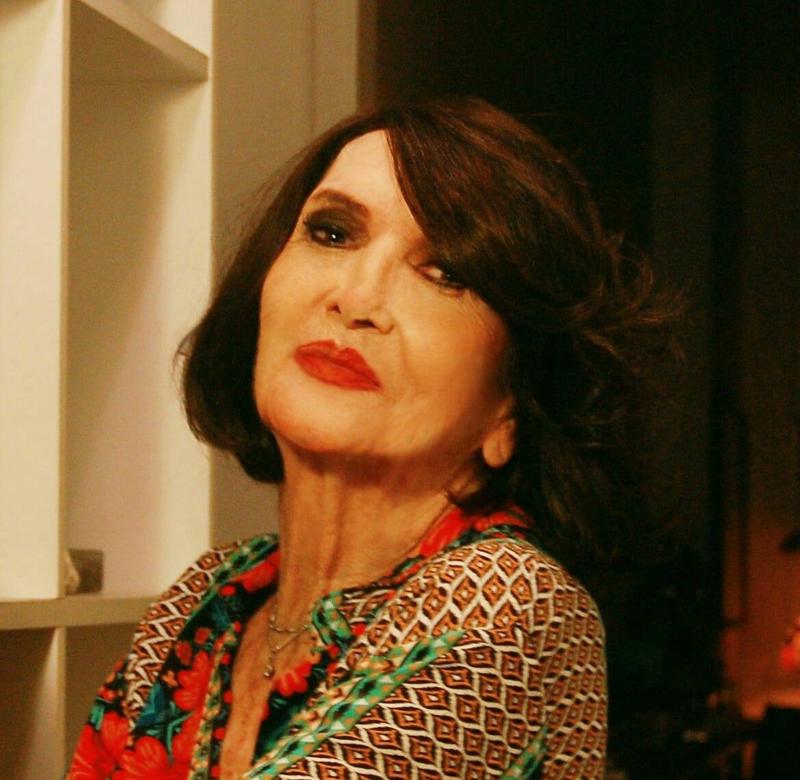
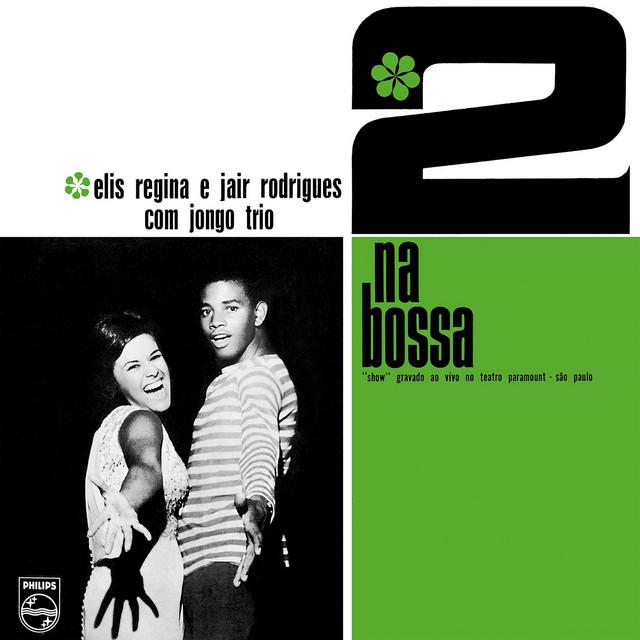
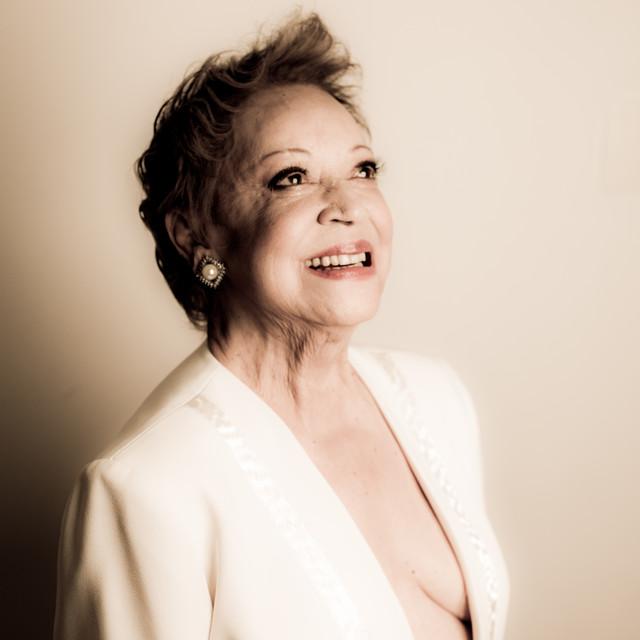
Claudette Soares’ Spotify BioClaudette Soares debuted in radio at age ten on the Clube do Guri show (Rádio Tamoio). After a short while she worked for several radio stations and was given the title Princezinha do Baião (The Little Princess of Baião) for her duet performances with the King of Baião, Luís Gonzaga. She recorded the first 78 rpm in 1954 (dedicated to the baião), and became the crooner of the renowned nightclub of the Hotel Plaza (important meeting point of the musicians interested in jazz and the place where samba jazz was widely practiced), working with Luiz Eça. In 1960, abandoning the baião and embracing the samba jazz and the bossa nova, she worked in the TV Excelsior (São Paulo) and in several nightclubs of that city. With Pedrinho Mattar, Soares performed in the show Um Show de Show. Her first solo album, dedicated to bossa nova, came in 1964, Claudete é Dona da Bossa. She also worked with Taiguara and the Jongo Trio in a successful show in 1966 which was recorded live and released as an LP.… Soares also participated in the IFIC (International Song Festival) with "Chorar e Cantar." She has continued to perform and record, and her latest albums are representative of several phases of her career: baião, Tropicália, bossa nova and 1960s MPB are all represented. ~ Alvaro Neder, Rovi
Viberate is a music analytics platform built for A&Rs, artist managers, labels, booking agents, marketers, and artists.
It helps music professionals track artist growth, analyze audience data, monitor playlist activity, compare artists, follow song performance, and identify opportunities across the music market.
Public artist pages provide a free preview of selected artist data. Paid plans provide access to deeper analytics, historical data, charts, comparisons, playlist tools, exports, alerts, reports, and additional professional features.
Yes. Public Viberate artist pages provide selected artist analytics and music data for free.
Viberate also offers a 7-day free trial of the full platform. A credit card is required to start the trial. The trial includes access to the complete product so users can test deeper artist analytics, historical views, playlist insights, comparisons, charts, exports, alerts, and reporting features before choosing a paid plan.
Viberate provides artist analytics across streaming, playlists, social media, video, radio airplay, songs, and audience markets.
Users can analyze Spotify performance, Spotify and Apple Music playlists, YouTube activity, TikTok and Instagram growth, radio spins, song performance, audience locations, demographics, rankings, and overall artist momentum.
Artist profiles also connect to music charts, similar artists, and comparison tools, helping users benchmark performance and evaluate artists in context.
Viberate updates key artist and track data daily.
For followed artists and tracks, selected data is refreshed multiple times per day. This helps teams monitor playlist changes, streaming movement, audience growth, releases, and campaign performance with more current data.
Update frequency can vary depending on the metric and data source.
Yes. Viberate lets users compare up to five artists side by side across streaming, social media, audience, and engagement metrics.
Users can compare fanbase growth, audience demographics, locations, Spotify performance, social metrics, and other artist data over selected time periods.
Artist comparison can be used for A&R scouting, benchmarking, booking decisions, campaign planning, and evaluating artists with similar audiences or market positions.