Clams Casino

Hip Hop
Alternative Hip Hop
Downtempo
 Viberate Rank: 5303
 Viberate Rank: 5303
 Monthly ListenersFollowers
 Subscribers
 Followers
 Followers
 FansTop Spotify Songs
| Track | 7-Day Streams | |
|---|---|---|
1 | 4.79M | |
2 | 1.96M | |
3 | 877.52K | |
4 | 179.54K | |
5 | 57.68K |
Top YouTube VideosMonthly ListenersFeatured in Playlists| Playlist | Followers | |
|---|---|---|
1 |  Power Gaming Spotify | 2.11M |
2 |  liminal Spotify | 1.90M |
3 |  slowed and reverbed Spotify | 1.68M |
4 |  Ethereal Spotify | 1.60M |
5 |  Levitate Spotify | 1.58M |
Audience| City | Monthly Listeners | |
|---|---|---|
1 |  | 112.87K |
2 |  | 107.88K |
3 |  | 107.26K |
4 | | 105.92K |
5 | | 103.45K |
See full performance history, audience data, playlist activity, rankings, comparisons, and more in Viberate music analytics. Start with a free trial, then continue with a paid plan.
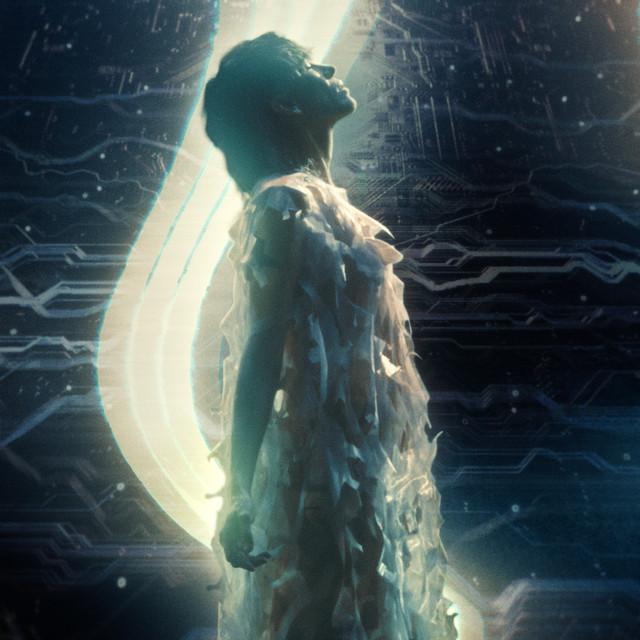
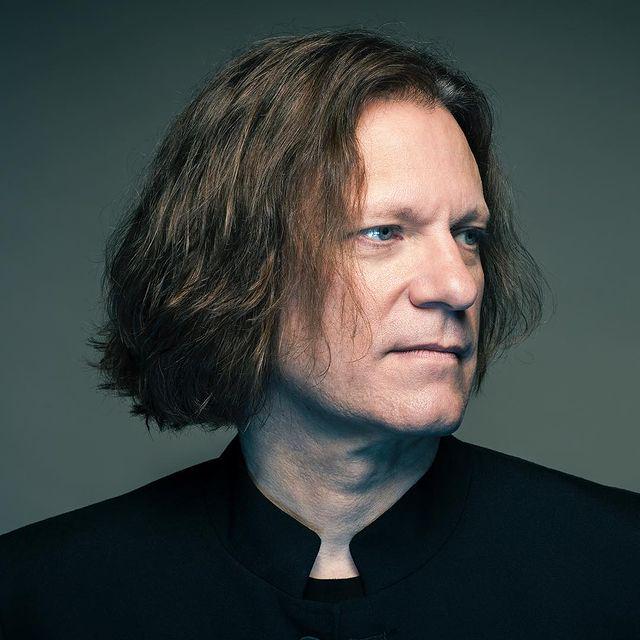
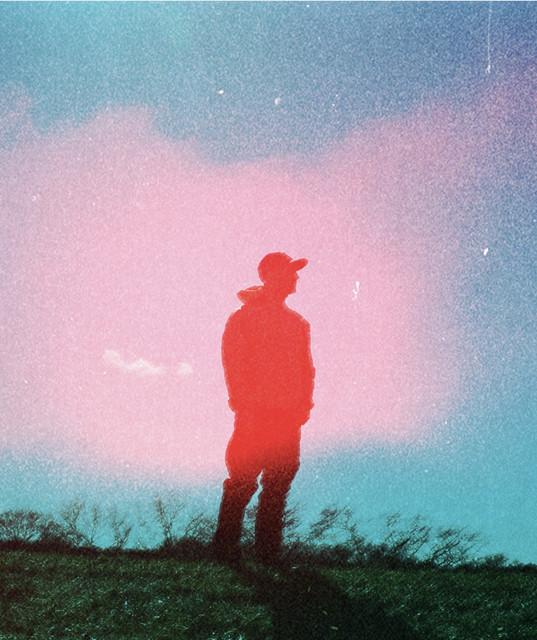
Clams Casino’s Spotify BioNew Jersey-based producer Clams Casino's instantly recognizable sound, fusing sludgy, blown-out beats with hazy, nearly shoegaze-like distortion and haunting, dislocated samples, almost singlehandedly spawned the cloud rap subgenre. Around the turn of the 2010s, his atmospheric production work for rappers like A$AP Rocky, Main Attrakionz, and especially Lil B stood out and garnered much critical praise, and his 2011 mixtape Instrumentals became a landmark release, gaining a cult following and expanding his audience beyond underground rap circles. His sound remained influential throughout the decade, as he produced or remixed songs by artists such as FKA twigs, Lana Del Rey, and Blood Orange. He continued releasing solo instrumental work, additionally making his major-label debut with the 2016 full-length 32 Levels, which included guest appearances by Vince Staples, Kelela, Samuel T. Herring (Future Islands), and others.
Born Michael Volpe, Clams Casino landed his first collaboration… after contacting Lil B (then a member of Bay Area rap group the Pack) via MySpace near the end of the 2000s. The MC proceeded to use several Clams Casino productions, all of which were trippy, wistful, and strangely emotive, for the likes of "Realist Alive," "Motivation," and "I'm God." The last one of those three was also used by Soulja Boy for "2 Milli." Volpe's profile gradually rose as word got out that he was the one behind these tracks, as well as material by Main Attrakionz, Main Attrakionz's Squadda Bambino, and Mobb Deep's Havoc. In March 2011, he uploaded a free 13-track mixtape of instrumentals -- something of a highlight reel, along with a previously unused beat. This preceded the first official Clams Casino solo release, the Rainforest EP, which was issued by Tri Angle that June. A limited vinyl pressing of Instrumentals soon followed on experimental label Type. Additional instrumental mixtapes were issued in 2012 and 2013, a period during which tracks by the likes of A$AP Rocky, Mac Miller, and Blood Orange were released with his production work. Among Volpe's more notable collaborations to surface in 2014 and 2015 were ScHoolboy Q's "Gravy," FKA twigs' "Hours," and three cuts from Vince Staples' Summertime '06.
Signed to Columbia, Clams Casino made his major-label debut as an artist in 2016 with 32 Levels. A fourth instrumental mixtape appeared in 2017. "4 Gold Chains," a collaboration with Lil Peep, was posthumously released in 2018, and Clams Casino additionally contributed to albums by Joji and serpentwithfeet the same year. Moon Trip Radio, a completely instrumental solo full-length, was issued in 2019. Instrumental Relics, a compilation of some of Volpe's best early productions (including "I'm God," with its Imogen Heap sample fully cleared), arrived in 2020. ~ Andy Kellman & Paul Simpson, Rovi
Viberate is a music analytics platform built for A&Rs, artist managers, labels, booking agents, marketers, and artists.
It helps music professionals track artist growth, analyze audience data, monitor playlist activity, compare artists, follow song performance, and identify opportunities across the music market.
Public artist pages provide a free preview of selected artist data. Paid plans provide access to deeper analytics, historical data, charts, comparisons, playlist tools, exports, alerts, reports, and additional professional features.
Yes. Public Viberate artist pages provide selected artist analytics and music data for free.
Viberate also offers a 7-day free trial of the full platform. A credit card is required to start the trial. The trial includes access to the complete product so users can test deeper artist analytics, historical views, playlist insights, comparisons, charts, exports, alerts, and reporting features before choosing a paid plan.
Viberate provides artist analytics across streaming, playlists, social media, video, radio airplay, songs, and audience markets.
Users can analyze Spotify performance, Spotify and Apple Music playlists, YouTube activity, TikTok and Instagram growth, radio spins, song performance, audience locations, demographics, rankings, and overall artist momentum.
Artist profiles also connect to music charts, similar artists, and comparison tools, helping users benchmark performance and evaluate artists in context.
Viberate updates key artist and track data daily.
For followed artists and tracks, selected data is refreshed multiple times per day. This helps teams monitor playlist changes, streaming movement, audience growth, releases, and campaign performance with more current data.
Update frequency can vary depending on the metric and data source.
Yes. Viberate lets users compare up to five artists side by side across streaming, social media, audience, and engagement metrics.
Users can compare fanbase growth, audience demographics, locations, Spotify performance, social metrics, and other artist data over selected time periods.
Artist comparison can be used for A&R scouting, benchmarking, booking decisions, campaign planning, and evaluating artists with similar audiences or market positions.