Chronic Future

Rock
Alternative Rock
 Viberate Rank: 247910
 Viberate Rank: 247910
 Monthly ListenersFollowers
 Subscribers
 Followers
 Followers
 FansTop Spotify Songs
| Track | 7-Day Streams | |
|---|---|---|
1 | 14.16K | |
2 | 1.40K | |
3 | 1.17K | |
4 | 1.07K | |
5 | 840 |
Top YouTube Videos| Video | 7-Day Views | |
|---|---|---|
1 | 2.71K |
Monthly ListenersFeatured in Playlists| Playlist | Followers | |
|---|---|---|
1 |  Burnout 3: Takedown Soundtrack Mario Dominguez | 80.10K |
2 | Burnout 3: Takedown🔥 Christina Bråten | 18.52K |
3 | OTH Playlist Emilee Brandt | 16.94K |
4 |  Gran Turismo 4 soundtrack spyroew | 11.96K |
5 |  Ski to This Alex Barr | 8.79K |
Audience| City | Monthly Listeners | |
|---|---|---|
1 |  | 707 |
2 | | 586 |
3 | | 470 |
4 | | 409 |
5 |  | 391 |
See full performance history, audience data, playlist activity, rankings, comparisons, and more in Viberate music analytics. Start with a free trial, then continue with a paid plan.
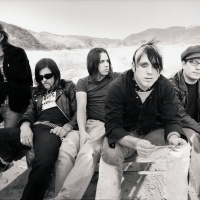
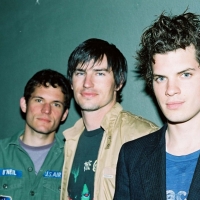
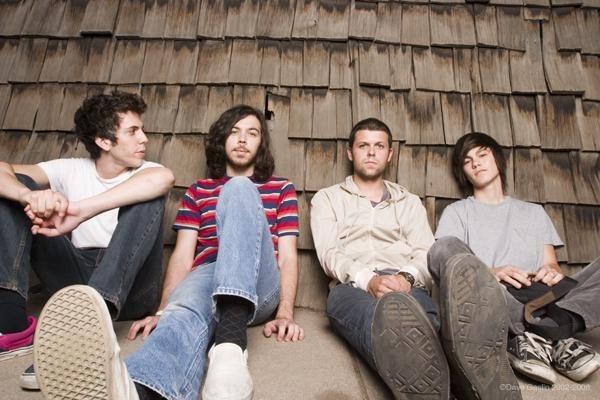
Chronic Future’s Spotify BioChronic Future was formed by four teenaged musicians in Phoenix in the mid-'90s. After building up a strong local following, the group released their independent eponymous debut in 1996 and had a local radio hit with their odd homage to the valley of the sun, "Scottsdale." Averaging 13 years of age, the members of Chronic Future (vocalist Mike Busse, drummer Barry Collins, guitarist/vocalist Ben Collins, and bassist Brandon Lee) produced a very timely brand of pop-inflected rap-rock that echoed 311, Rage Against the Machine, and other alternative radio hit makers. This timeliness and the group's energetic live performances made them hometown heroes with the Phoenix-area rock set, establishing an unheard of momentum for such a young group of musicians. Chronic Future, while lyrically amateur and slightly derivative overall, still demonstrated that these youngsters had a grip on the craft of songwriting and controlled their instruments with the deftness of players twice their age. Things… were heating up business-wise after the success of the band's debut, but the quartet wisely took its time, went to school, and focused on growing up and perfecting their musical skills before eventually signing with Beyond Music at the end of the decade. The brand new label (started as an offshoot from the huge Left Bank music management company) actually chose Chronic Future as their first signing. Chronic Future now had the means to record a much more professionally produced follow-up to their spirited but somewhat messy debut. The dynamically superior 4 Elements was released exactly four years after the homegrown Chronic Future, and the band got to support the effort with several tours opening for the likes of Face to Face and other big national draws. With a tighter sound, 4 Elements has a cohesiveness and maturity that completely overshadows the band's debut, but the disc still failed to project an entirely individual, accomplished vision. Released in 2000, the major-label debut was a little too scattered to be seriously considered along with more successful rap-rock artists, but the guys were still very young and there were some hopeful signs for the future. Chief among them is the impressive vocal work of Busse, the Arizonan's flow showed considerable improvement on 4 Elements, as did his singing. Collins' guitar playing also added some fine riffing that proved to also be much improved. Chronic Future deserve credit for their considerable accomplishments at such a young age, and seem to possess the potential to rival their genre's premier bands. It's not certain that rap-rock or metal will remain as popular as it was in the late '90s and Chronic Future still have some catching up to do. But if history is any indication, it's hard to count these guys out. They possess the talent, instincts, and work ethic to make things happen, so alt-rock fans shouldn't be surprised if the name Chronic Future begins spilling frequently from the lips of modern rock fans and DJs around America. ~ Vincent Jeffries, Rovi
Viberate is a music analytics platform built for A&Rs, artist managers, labels, booking agents, marketers, and artists.
It helps music professionals track artist growth, analyze audience data, monitor playlist activity, compare artists, follow song performance, and identify opportunities across the music market.
Public artist pages provide a free preview of selected artist data. Paid plans provide access to deeper analytics, historical data, charts, comparisons, playlist tools, exports, alerts, reports, and additional professional features.
Yes. Public Viberate artist pages provide selected artist analytics and music data for free.
Viberate also offers a 7-day free trial of the full platform. A credit card is required to start the trial. The trial includes access to the complete product so users can test deeper artist analytics, historical views, playlist insights, comparisons, charts, exports, alerts, and reporting features before choosing a paid plan.
Viberate provides artist analytics across streaming, playlists, social media, video, radio airplay, songs, and audience markets.
Users can analyze Spotify performance, Spotify and Apple Music playlists, YouTube activity, TikTok and Instagram growth, radio spins, song performance, audience locations, demographics, rankings, and overall artist momentum.
Artist profiles also connect to music charts, similar artists, and comparison tools, helping users benchmark performance and evaluate artists in context.
Viberate updates key artist and track data daily.
For followed artists and tracks, selected data is refreshed multiple times per day. This helps teams monitor playlist changes, streaming movement, audience growth, releases, and campaign performance with more current data.
Update frequency can vary depending on the metric and data source.
Yes. Viberate lets users compare up to five artists side by side across streaming, social media, audience, and engagement metrics.
Users can compare fanbase growth, audience demographics, locations, Spotify performance, social metrics, and other artist data over selected time periods.
Artist comparison can be used for A&R scouting, benchmarking, booking decisions, campaign planning, and evaluating artists with similar audiences or market positions.