Chroma Key

Electronic
Other Electronic Music
Progressive Rock
 Viberate Rank: 188735
 Viberate Rank: 188735
 Monthly ListenersFollowers
 Subscribers
 Followers
 Followers
 FansTop Spotify Songs
| Track | 7-Day Streams | |
|---|---|---|
1 | 3.12K | |
2 | 2.94K | |
3 | 1.62K | |
4 | 1.11K | |
5 | 815 |
Top YouTube VideosMonthly ListenersFeatured in Playlists| Playlist | Followers | |
|---|---|---|
1 | Prog Metal Giovanni Pignato | 13.71K |
2 |  Duyster (all tracks ever played) Wike | 8.15K |
3 |  Drone Zone | Soma FM Luuk Kielen | 5.51K |
4 |  Planet Amtrac amtracmusic | 4.93K |
5 |  Studio Brussel: duyster (all tracks ever played) Studio Brussel | 3.29K |
Audience| City | Monthly Listeners | |
|---|---|---|
1 |  | 523 |
2 |  | 292 |
3 |  | 252 |
4 |  | 239 |
5 |  | 169 |
See full performance history, audience data, playlist activity, rankings, comparisons, and more in Viberate music analytics. Start with a free trial, then continue with a paid plan.
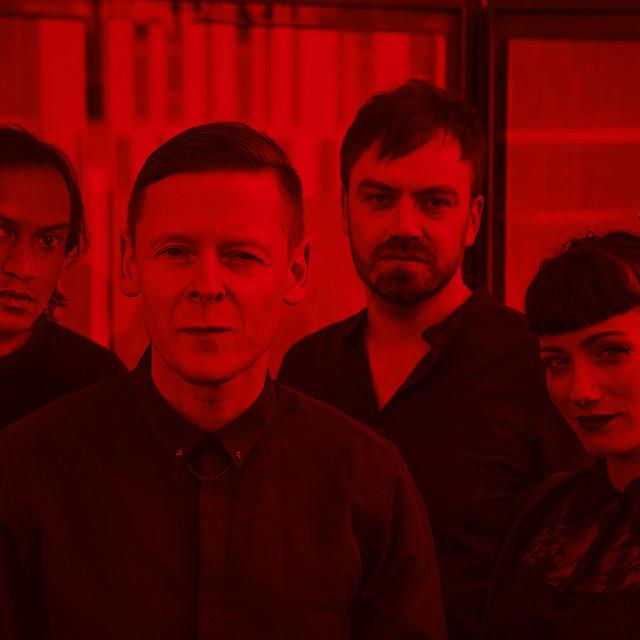
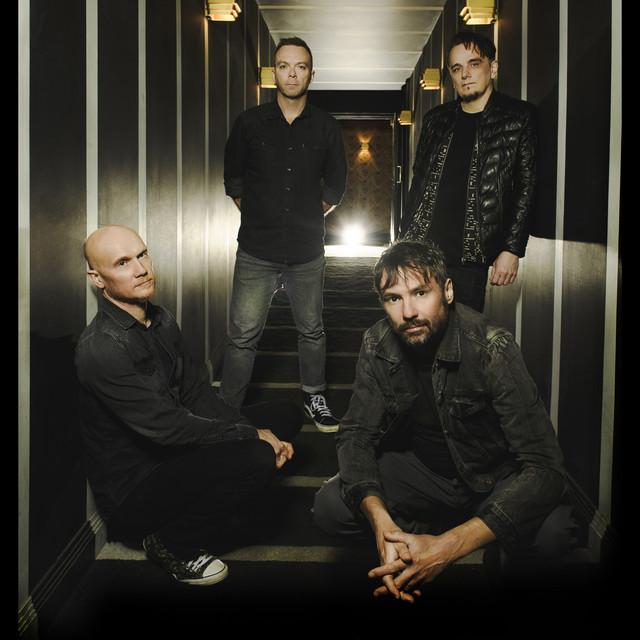
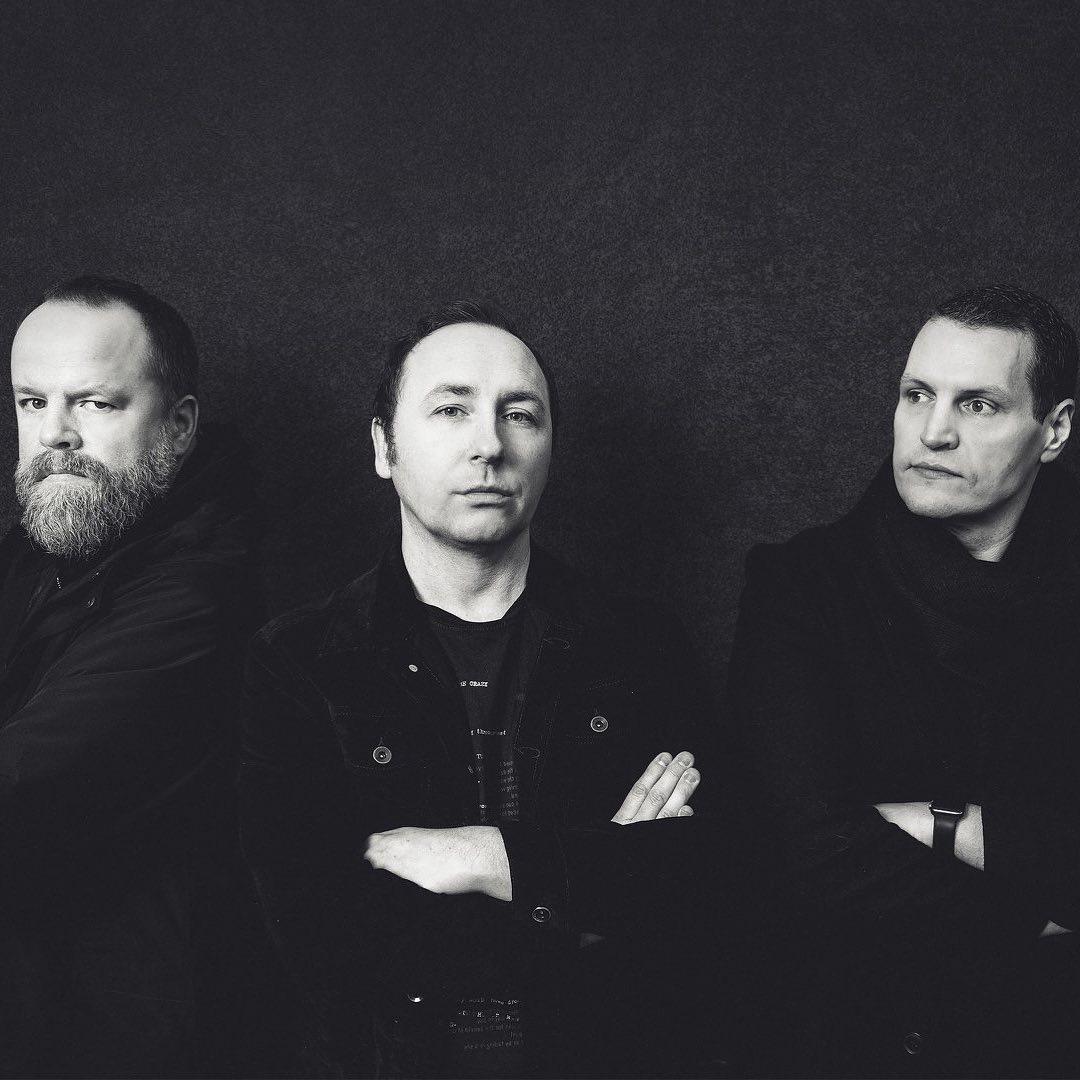
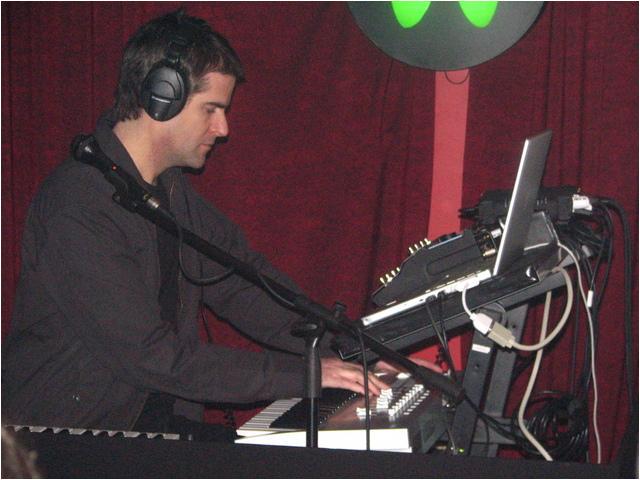
Chroma Key’s Spotify BioOnetime Dream Theater keyboardist Kevin Moore left that band after three albums to pursue his own project, Chroma Key. Stripping away the metallic elements of Dream Theater's sound, Chroma Key is more influenced by '70s prog-rock and early-'80s synth-pop, particularly the most ethereal, ambient-flavored components of each -- artists like Brian Eno, Pink Floyd, Peter Gabriel, and Talk Talk's Mark Hollis. The first Chroma Key project was recorded with Fates Warning rhythm section Joey Vera (bass) and Mark Zonder (drums), as well as guitarist Jason Anderson; titled Dead Air for Radios, it was released in 1998 in Europe and the following year in the U.S. on Fight Evil Records. For his next record as Chroma Key, Moore enlisted programmer/co-producer Steve Tushar and David Gilmour-influenced guitarist Dave Iscove; the result, You Go Now, appeared in late 2000, after which Moore relocated to Costa Rica. ~ Steve Huey, Rovi
Viberate is a music analytics platform built for A&Rs, artist managers, labels, booking agents, marketers, and artists.
It helps music professionals track artist growth, analyze audience data, monitor playlist activity, compare artists, follow song performance, and identify opportunities across the music market.
Public artist pages provide a free preview of selected artist data. Paid plans provide access to deeper analytics, historical data, charts, comparisons, playlist tools, exports, alerts, reports, and additional professional features.
Yes. Public Viberate artist pages provide selected artist analytics and music data for free.
Viberate also offers a 7-day free trial of the full platform. A credit card is required to start the trial. The trial includes access to the complete product so users can test deeper artist analytics, historical views, playlist insights, comparisons, charts, exports, alerts, and reporting features before choosing a paid plan.
Viberate provides artist analytics across streaming, playlists, social media, video, radio airplay, songs, and audience markets.
Users can analyze Spotify performance, Spotify and Apple Music playlists, YouTube activity, TikTok and Instagram growth, radio spins, song performance, audience locations, demographics, rankings, and overall artist momentum.
Artist profiles also connect to music charts, similar artists, and comparison tools, helping users benchmark performance and evaluate artists in context.
Viberate updates key artist and track data daily.
For followed artists and tracks, selected data is refreshed multiple times per day. This helps teams monitor playlist changes, streaming movement, audience growth, releases, and campaign performance with more current data.
Update frequency can vary depending on the metric and data source.
Yes. Viberate lets users compare up to five artists side by side across streaming, social media, audience, and engagement metrics.
Users can compare fanbase growth, audience demographics, locations, Spotify performance, social metrics, and other artist data over selected time periods.
Artist comparison can be used for A&R scouting, benchmarking, booking decisions, campaign planning, and evaluating artists with similar audiences or market positions.