Christopher Hollyday

Jazz
Bebop
Free Jazz
 Viberate Rank: 483340
 Viberate Rank: 483340
 Monthly ListenersFollowers
 Subscribers
 Followers
 Followers
 FansTop Spotify Songs
| Track | 7-Day Streams | |
|---|---|---|
1 | 59 | |
2 | 39 | |
3 | 6 | |
4 | 5 | |
5 | 5 |
Top YouTube Videos| Video | 7-Day Views | |
|---|---|---|
1 | 8 | |
2 | 1 |
Monthly ListenersFeatured in PlaylistsAudience| City | Monthly Listeners | |
|---|---|---|
1 | | 9 |
2 | | 3 |
3 | | 3 |
See full performance history, audience data, playlist activity, rankings, comparisons, and more in Viberate music analytics. Start with a free trial, then continue with a paid plan.
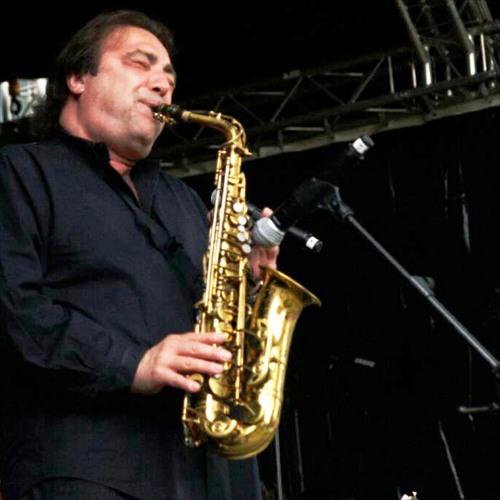
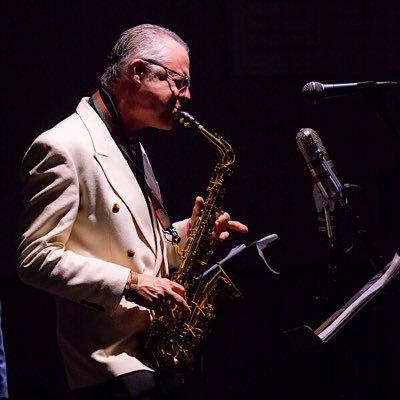
Christopher Hollyday’s Spotify BioA dynamic, bop-informed alto saxophonist, Christopher Hollyday plays with a warm, bright tone and frenetic style in the tradition of artists like Charlie Parker, Jackie McLean, and Phil Woods. Hollyday initially gained fame in his teens as one of the rising "Young Lions" of the late '80s, earning accolades for his early albums like 1989's Christopher Hollyday, 1990's On Course, and 1992's And I'll Sing Once More before pulling back from the spotlight. Following an extended period working as a music educator, he returned to regular performing with 2018's Telepathy.
Born in 1972 in New Haven, Connecticut, Hollyday grew up listening to his father's extensive jazz record collection. Influenced by Charlie Parker, he started playing the alto saxophone at age nine and by 1983 was joining his older brother Richard Hollyday, a trumpet player, on gigs in the Boston area. In 1985, he released a self-produced album, Treaty, which featured bassist Nat Reeves, drummer Ron Savage, and a young John… Medeski on piano. A sophomore outing, Reverence, arrived in 1988 and found Hollyday backed by a veteran rhythm section with pianist Cedar Walton, bassist Ron Carter, and drummer Billy Higgins. Also that year, he came to wider recognition headlining a weeklong stint at New York's Village Vanguard and touring with Maynard Ferguson.
Buoyed by the attention, Hollyday signed with RCA/Novus and in 1989 made his debut for the label with the album Christopher Hollyday, a quintet date with trumpeter Wallace Roney. Between extensive touring that took him around the globe, he continued to record for RCA, issuing the 1990 quartet album On Course with pianist Larry Goldings, as well as 1991's The Natural Moment with pianist Brad Mehldau. He rounded out this period with 1992's lushly produced And I'll Sing Once More, which featured a 14-piece band including saxophonist Scott Robinson, pianist Kenny Werner, and violinist Mark Feldman.
While touring and giving clinics, Hollyday grew increasingly interested in education. In 1993, he decided to take a step back from performing to pursue his teaching degree, studying composition and arranging at Boston's Berklee College of Music. From there, he relocated to San Diego and spent the next decade as a high school music teacher. He also earned his master's degree in Jazz Studies at San Diego State University, where he eventually accepted a teaching position on the school faculty. Though teaching occupied much of his time from the late '90s onwards, he continued to perform on a local level.
In 2018, Hollyday returned to regular gigging with the release of Telepathy, his first studio album in over 20 years. The record found him working with longtime associate Gilbert Castellanos, a San Diego trumpeter. Hollyday and his Telepathy Quintet quickly returned with 2020's Dialogue. ~ Matt Collar, Rovi
Viberate is a music analytics platform built for A&Rs, artist managers, labels, booking agents, marketers, and artists.
It helps music professionals track artist growth, analyze audience data, monitor playlist activity, compare artists, follow song performance, and identify opportunities across the music market.
Public artist pages provide a free preview of selected artist data. Paid plans provide access to deeper analytics, historical data, charts, comparisons, playlist tools, exports, alerts, reports, and additional professional features.
Yes. Public Viberate artist pages provide selected artist analytics and music data for free.
Viberate also offers a 7-day free trial of the full platform. A credit card is required to start the trial. The trial includes access to the complete product so users can test deeper artist analytics, historical views, playlist insights, comparisons, charts, exports, alerts, and reporting features before choosing a paid plan.
Viberate provides artist analytics across streaming, playlists, social media, video, radio airplay, songs, and audience markets.
Users can analyze Spotify performance, Spotify and Apple Music playlists, YouTube activity, TikTok and Instagram growth, radio spins, song performance, audience locations, demographics, rankings, and overall artist momentum.
Artist profiles also connect to music charts, similar artists, and comparison tools, helping users benchmark performance and evaluate artists in context.
Viberate updates key artist and track data daily.
For followed artists and tracks, selected data is refreshed multiple times per day. This helps teams monitor playlist changes, streaming movement, audience growth, releases, and campaign performance with more current data.
Update frequency can vary depending on the metric and data source.
Yes. Viberate lets users compare up to five artists side by side across streaming, social media, audience, and engagement metrics.
Users can compare fanbase growth, audience demographics, locations, Spotify performance, social metrics, and other artist data over selected time periods.
Artist comparison can be used for A&R scouting, benchmarking, booking decisions, campaign planning, and evaluating artists with similar audiences or market positions.