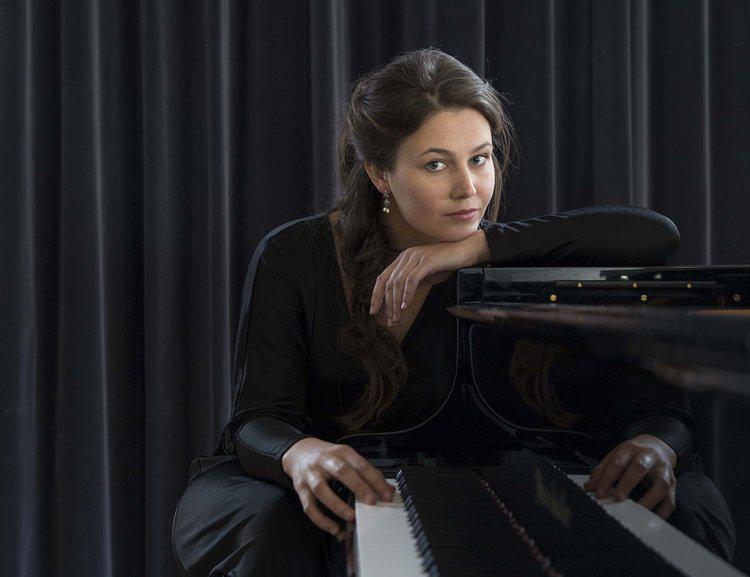
Christian Schittenhelm

Classical
Classical Crossover
 Viberate Rank: 638304
 Viberate Rank: 638304
 Monthly ListenersFollowers
 Subscribers
 Followers
 Followers
 FansTop Spotify Songs
| Track | 7-Day Streams | |
|---|---|---|
1 | 81 | |
2 | 65 | |
3 | 62 | |
4 | 58 | |
5 | 50 |
Top YouTube VideosMonthly ListenersFeatured in Playlists| Playlist | Followers | |
|---|---|---|
1 |  Neo Classicals Alen Golpashin | 7.79K |
2 |  Relaxing Contemporary Piano Christopher Mak | 4.00K |
3 |  Neoclassical Peaceful Piano Nel Aique | 2.05K |
4 |  Early, early morning classical 🌅 Daniela Olevsky | 1.13K |
Audience| City | Monthly Listeners | |
|---|---|---|
1 |  | 29 |
2 |  | 15 |
3 |  | 14 |
4 |  | 14 |
5 |  | 13 |
See full performance history, audience data, playlist activity, rankings, comparisons, and more in Viberate music analytics. Start with a free trial, then continue with a paid plan.
Christian Schittenhelm’s Spotify BioChristian Schittenhelm étudie le piano dès l'âge de 6 ans. A 12 ans, il compose ses premières œuvres orchestrales. A 21 ans, il reçoit le Prix Académique SACEM de la Société des Auteurs Français (1984). En 1989, il enregistre un album de chansons pop chez EMI, avec l'Orchestre Philharmonique de Londres. En 1996, il compose Rhapsody Khronos et Khaos, les deux poèmes symphoniques salués par le Maestro Marcel Landowski, alors Chancelier de l'Institut de France. En 1998, il compose L'Hymne Paris 2000 pour la ville de Paris, interprété par l'Orchestre Colonne. Il compose Da Vinci, l'adapte en comédie musicale Da Vinci, Les Ailes de la Lumière. Présenté en 1999 à Tokyo pour Fuji TV en avant-première de sa production parisienne. De 2000 à 2010, de nombreuses comédies musicales ont été données dans plus de 800 représentations en France, Suisse, Belgique, Hongrie, Allemagne, et ont également été jouées dans les théâtres parisiens Le Théâtre de Paris, Théâtre Déjazet, Théâtre Princesse Grace à… Monaco, 9 Zéniths en France, EuroDisney pour n'en citer que quelques-uns... Il a également composé plusieurs poèmes symphoniques, dont DAWN, BANG, ALSATICA, le prélude pour piano et orchestre MUSE, et cinq concertos pour piano : BLEU, WILD, AIR, le triple concerto pour piano LUX et Tango Piano Concertino N°5. (sfumatorecords.com) christianschittenhelm.fr
Viberate is a music analytics platform built for A&Rs, artist managers, labels, booking agents, marketers, and artists.
It helps music professionals track artist growth, analyze audience data, monitor playlist activity, compare artists, follow song performance, and identify opportunities across the music market.
Public artist pages provide a free preview of selected artist data. Paid plans provide access to deeper analytics, historical data, charts, comparisons, playlist tools, exports, alerts, reports, and additional professional features.
Yes. Public Viberate artist pages provide selected artist analytics and music data for free.
Viberate also offers a 7-day free trial of the full platform. A credit card is required to start the trial. The trial includes access to the complete product so users can test deeper artist analytics, historical views, playlist insights, comparisons, charts, exports, alerts, and reporting features before choosing a paid plan.
Viberate provides artist analytics across streaming, playlists, social media, video, radio airplay, songs, and audience markets.
Users can analyze Spotify performance, Spotify and Apple Music playlists, YouTube activity, TikTok and Instagram growth, radio spins, song performance, audience locations, demographics, rankings, and overall artist momentum.
Artist profiles also connect to music charts, similar artists, and comparison tools, helping users benchmark performance and evaluate artists in context.
Viberate updates key artist and track data daily.
For followed artists and tracks, selected data is refreshed multiple times per day. This helps teams monitor playlist changes, streaming movement, audience growth, releases, and campaign performance with more current data.
Update frequency can vary depending on the metric and data source.
Yes. Viberate lets users compare up to five artists side by side across streaming, social media, audience, and engagement metrics.
Users can compare fanbase growth, audience demographics, locations, Spotify performance, social metrics, and other artist data over selected time periods.
Artist comparison can be used for A&R scouting, benchmarking, booking decisions, campaign planning, and evaluating artists with similar audiences or market positions.