Christian Leave

Pop
Indie Pop
 Viberate Rank: 33314
 Viberate Rank: 33314
 Monthly ListenersFollowers
 Subscribers
 Followers
 Followers
 FansTop Spotify Songs
| Track | 7-Day Streams | |
|---|---|---|
1 | 159.83K | |
2 | 26.11K | |
3 | 15.34K | |
4 | 13.94K | |
5 | 9.02K |
Top YouTube VideosMonthly ListenersFeatured in Playlists| Playlist | Followers | |
|---|---|---|
1 |  Feel-Good Indie Rock Spotify | 2.29M |
2 |  staring at the ceiling at 3am dyls playlists | 311.56K |
3 |  Sad Songs 2023 TheGoodVibe | 172.02K |
4 |  god-blessed riffs Natalia P. | 147.36K |
5 | Very sad songs💔🥺😭 ezzy | 135.22K |
Audience| City | Monthly Listeners | |
|---|---|---|
1 |  | 6.94K |
2 |  | 6.58K |
3 | | 6.18K |
4 | | 5.52K |
5 | | 5.21K |
See full performance history, audience data, playlist activity, rankings, comparisons, and more in Viberate music analytics. Start with a free trial, then continue with a paid plan.
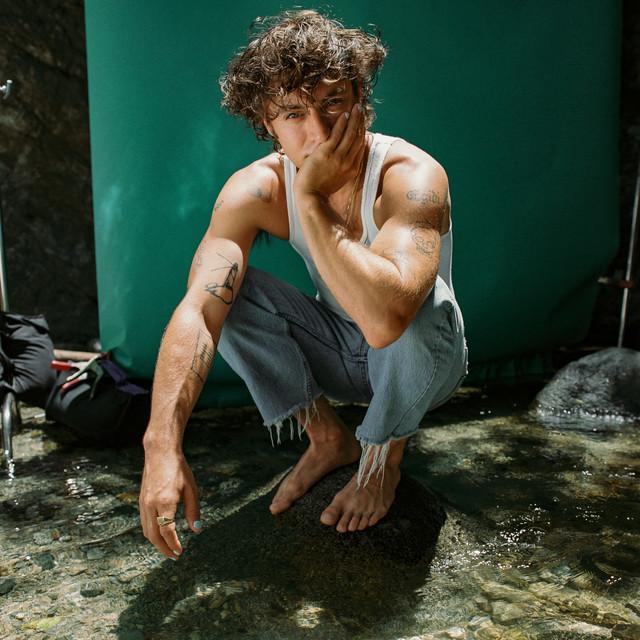
Christian Leave’s Spotify BioChristian Leave's searching relationship songs are anchored in melody, whether couched in arrangements of spare acoustic guitar or punchy indie rock. Originally known as Christian Akridge, he first gained popularity on social media as a teen. He soon shifted from the acoustic pop of 2016 viral sensation "Please Notice" and its accompanying EP, Hope, to the electric guitar songs of his full-length debut, 2018's Heartbreak Room, to spiky, band-styled indie rock by 2021's Heavy Hitting Hurts My Head EP. Released in 2022, the Superstar EP showed signs of a more mature middle ground that combined singer/songwriter pop and indie/art rock inspirations.
The son of a pastor, Christian Akridge was raised in Wichita Falls, Texas, where he grew up in the church. His exposure to popular music was limited by his parents when he was young, though he got his first album, Stevie Wonder's In Square Circle, at the age of 13. Already inspired by Wonder's soulful R&B and Southern gospel music, he soon… discovered wide-ranging influences on the Internet and was inspired to take up the guitar. When he heard that his church needed a bass player, he started playing bass and, later, piano.
In 2015, when Akridge was 14, he began sharing comedic videos as well as his cover versions of artists ranging from Elvis Presley to Cage the Elephant and Frank Ocean. He had over 100,000 followers within a few months and accepted an invitation to join the PressPlay tour, a showcase for young social media personalities. Still using his birth name, Akridge released a debut EP in 2016 consisting of original songs, mostly on the topic of young love. It debuted at number seven on both the Independent Albums and Heatseekers Albums charts as the track "Please Notice" quickly racked up tens of millions of streams. He eventually followed it with his self-released debut album, early 2018's Heartbreak Room, which found him plugging in for a set of spare electric guitar and keyboard songs.
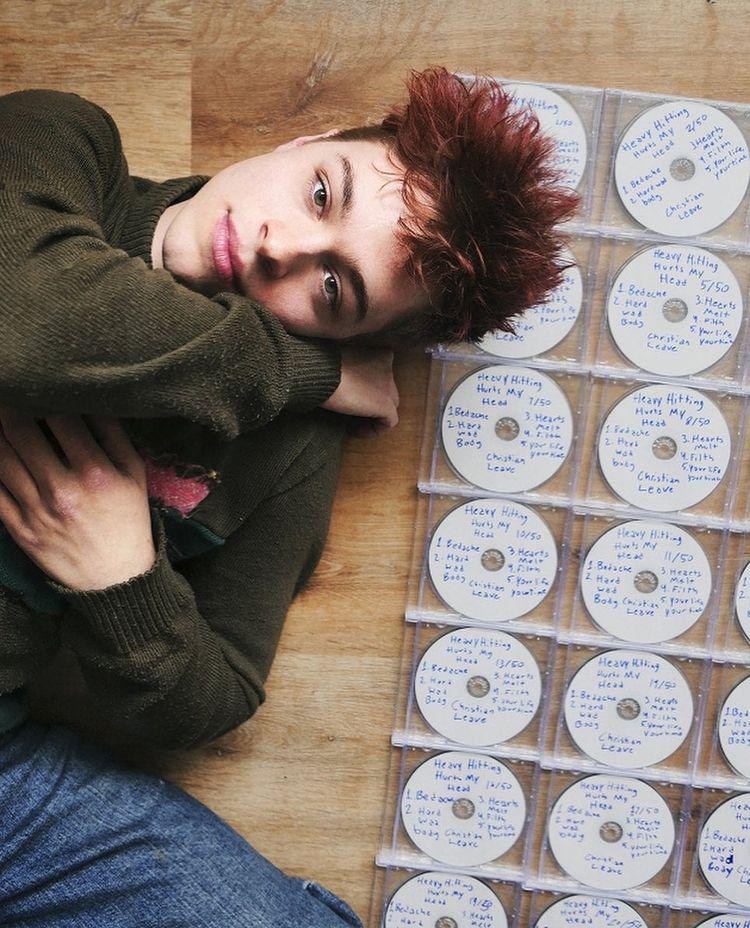
Later in 2018, after turning 18 and leaving his hometown for Los Angeles, he put out another EP, Trilogy. His debut for Godmode/Warner, it was also his first release to adopt the alias Christian Leave. He introduced a more anxious, indie rock-oriented sound on the 2019 single "Milksop/Darling," which carried over onto his February 2021 EP, the self-produced Heavy Hitting Hurts My Head. In addition to its more assertive sound, it marked a shift in lyrical focus to the anxiety and depression that accompanied his rise to fame, a formula he stuck with for that October's Days Like Lost Dogs EP. Following in November 2022, the Superstar EP struck a balance between the indie/art rock, adult pop, and singer/songwriter fare of his previous material. ~ Marcy Donelson, Rovi
Viberate is a music analytics platform built for A&Rs, artist managers, labels, booking agents, marketers, and artists.
It helps music professionals track artist growth, analyze audience data, monitor playlist activity, compare artists, follow song performance, and identify opportunities across the music market.
Public artist pages provide a free preview of selected artist data. Paid plans provide access to deeper analytics, historical data, charts, comparisons, playlist tools, exports, alerts, reports, and additional professional features.
Yes. Public Viberate artist pages provide selected artist analytics and music data for free.
Viberate also offers a 7-day free trial of the full platform. A credit card is required to start the trial. The trial includes access to the complete product so users can test deeper artist analytics, historical views, playlist insights, comparisons, charts, exports, alerts, and reporting features before choosing a paid plan.
Viberate provides artist analytics across streaming, playlists, social media, video, radio airplay, songs, and audience markets.
Users can analyze Spotify performance, Spotify and Apple Music playlists, YouTube activity, TikTok and Instagram growth, radio spins, song performance, audience locations, demographics, rankings, and overall artist momentum.
Artist profiles also connect to music charts, similar artists, and comparison tools, helping users benchmark performance and evaluate artists in context.
Viberate updates key artist and track data daily.
For followed artists and tracks, selected data is refreshed multiple times per day. This helps teams monitor playlist changes, streaming movement, audience growth, releases, and campaign performance with more current data.
Update frequency can vary depending on the metric and data source.
Yes. Viberate lets users compare up to five artists side by side across streaming, social media, audience, and engagement metrics.
Users can compare fanbase growth, audience demographics, locations, Spotify performance, social metrics, and other artist data over selected time periods.
Artist comparison can be used for A&R scouting, benchmarking, booking decisions, campaign planning, and evaluating artists with similar audiences or market positions.