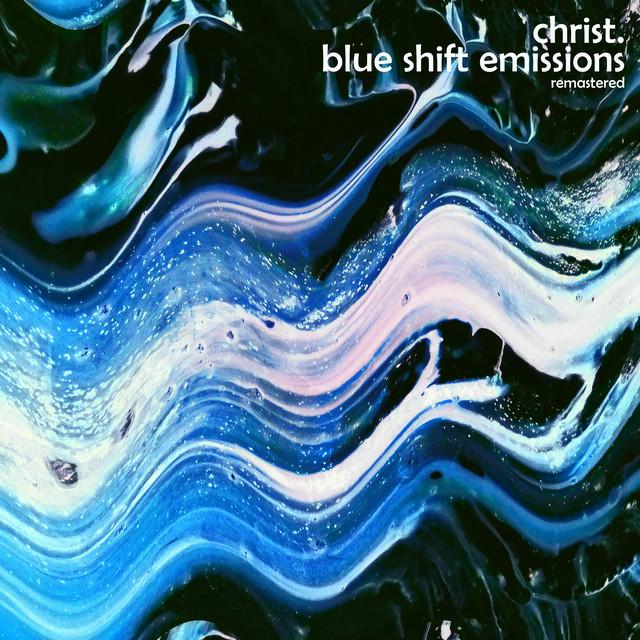
Christ.

Electronic
Downtempo
Other Electronic Music
 Viberate Rank: 400331
 Viberate Rank: 400331
 Monthly ListenersFollowers
 Subscribers
 Followers
 Followers
 FansTop Spotify Songs
| Track | 7-Day Streams | |
|---|---|---|
1 | 365 | |
2 | 263 | |
3 | 53 | |
4 | 48 | |
5 | 46 |
Top YouTube VideosMonthly ListenersFeatured in Playlists| Playlist | Followers | |
|---|---|---|
1 | IDM Skyler Bubier | 7.57K |
2 |  Cyberpunk / Future WongJP | 7.19K |
3 |  Chill & Vibe Tunes Electronic Brew Records | 3.64K |
4 |  sounds like BOARDS OF CANADA wwwehtam | 2.62K |
5 |  Boards of Canada Effect Olavi Inha | 2.44K |
Audience| City | Monthly Listeners | |
|---|---|---|
1 | | 25 |
2 |  | 21 |
3 |  | 18 |
4 |  | 14 |
5 | | 14 |
See full performance history, audience data, playlist activity, rankings, comparisons, and more in Viberate music analytics. Start with a free trial, then continue with a paid plan.
Christ.’s Spotify BioChrist is the messiah-inspired alter ego of Chris H (b. Scotland), a sometime collaborator of Warp Records duo Boards Of Canada, who is notably credited with having contributed to that outfit’s near-legendary first album Twoism, a record pressed in an initial run of just 100 copies prior to its 2002 reissue by Warp. Beyond this, little actual biographical information is known about the Scottish musician and, like his former collaborators, fact is obscured by rumour and secrecy. Released via the absorbing Scottish label Benbecula, Christ’s Pylonesque mini-album carried overt echoes of his former collaborators: evocative kaleidoscopic melodies are juxtaposed with neo-hip-hop beats and traces of voices are distorted beyond comprehension, while on the EP’s closing track ‘Absolom (For Lucy)’, children’s squeals are deployed in a similar style to those utilized on Boards Of Canada’s Warp debut Music Has The Right To Children. Alongside Boards Of Canada’s 2002 release Geogaddi, the EP… suggested strange goings on in Scottish electronic music making. Christ notably contributed to the anonymously released Alba Absurdia compilation of Scottish electronica alongside Frog Pocket and Reverbaphon.
Viberate is a music analytics platform built for A&Rs, artist managers, labels, booking agents, marketers, and artists.
It helps music professionals track artist growth, analyze audience data, monitor playlist activity, compare artists, follow song performance, and identify opportunities across the music market.
Public artist pages provide a free preview of selected artist data. Paid plans provide access to deeper analytics, historical data, charts, comparisons, playlist tools, exports, alerts, reports, and additional professional features.
Yes. Public Viberate artist pages provide selected artist analytics and music data for free.
Viberate also offers a 7-day free trial of the full platform. A credit card is required to start the trial. The trial includes access to the complete product so users can test deeper artist analytics, historical views, playlist insights, comparisons, charts, exports, alerts, and reporting features before choosing a paid plan.
Viberate provides artist analytics across streaming, playlists, social media, video, radio airplay, songs, and audience markets.
Users can analyze Spotify performance, Spotify and Apple Music playlists, YouTube activity, TikTok and Instagram growth, radio spins, song performance, audience locations, demographics, rankings, and overall artist momentum.
Artist profiles also connect to music charts, similar artists, and comparison tools, helping users benchmark performance and evaluate artists in context.
Viberate updates key artist and track data daily.
For followed artists and tracks, selected data is refreshed multiple times per day. This helps teams monitor playlist changes, streaming movement, audience growth, releases, and campaign performance with more current data.
Update frequency can vary depending on the metric and data source.
Yes. Viberate lets users compare up to five artists side by side across streaming, social media, audience, and engagement metrics.
Users can compare fanbase growth, audience demographics, locations, Spotify performance, social metrics, and other artist data over selected time periods.
Artist comparison can be used for A&R scouting, benchmarking, booking decisions, campaign planning, and evaluating artists with similar audiences or market positions.