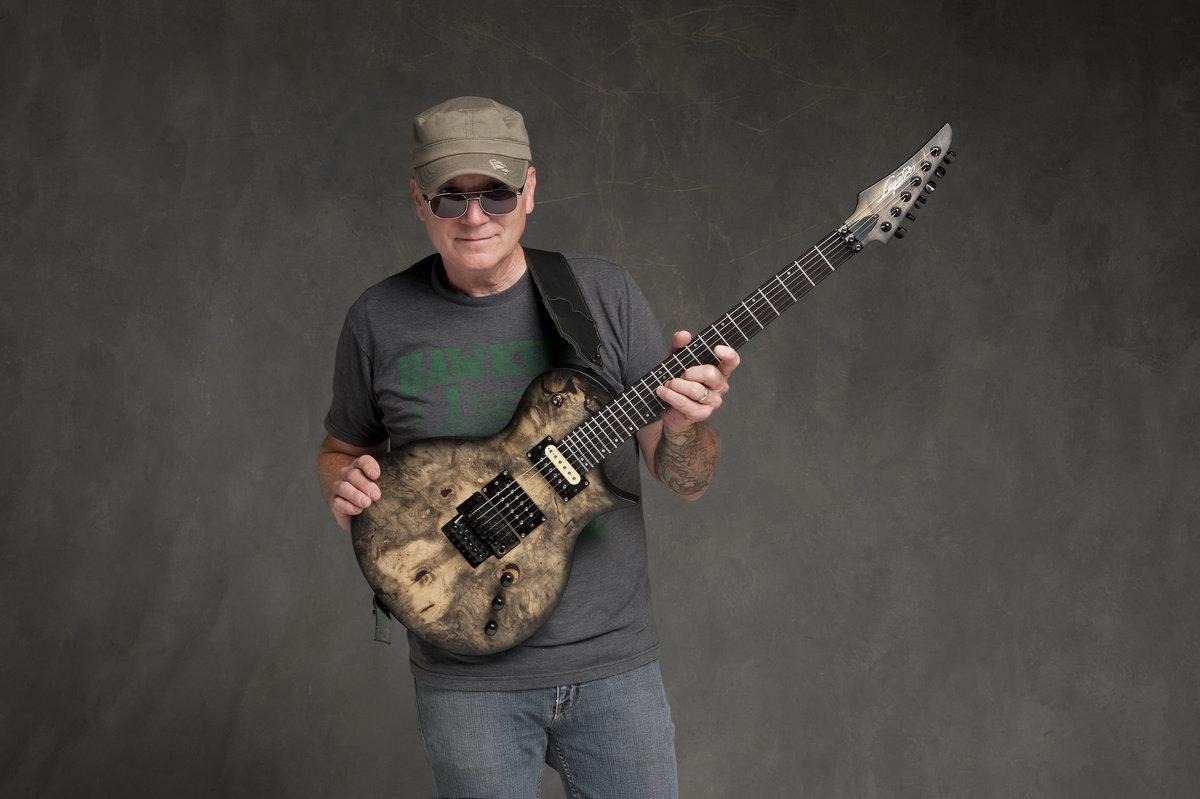
Chris Poland

Metal
Thrash Metal
Neoclassical
 Viberate Rank: 175023
 Viberate Rank: 175023
 Monthly ListenersFollowers
 Subscribers
 Followers
 Followers
 FansTop Spotify Songs
| Track | 7-Day Streams | |
|---|---|---|
1 | 782 | |
2 | 762 | |
3 | 361 | |
4 | 344 | |
5 | 283 |
Top YouTube VideosMonthly ListenersFeatured in Playlists| Playlist | Followers | |
|---|---|---|
1 |  Heavy Metal Instrumentals 🎸 JaviFlames | 13.79K |
2 |  Christian Metal! 777 Rasmus Rasmussen | 9.41K |
3 | Jazz Fusion, Progressive Rock, & Jam Bands Curator Seedpicker | 7.16K |
4 | Neoclassical Metal Max Vartanian | 5.29K |
5 |  This Is Tantric Spotify | 3.83K |
Audience| City | Monthly Listeners | |
|---|---|---|
1 |  | 88 |
2 |  | 74 |
3 |  | 70 |
4 |  | 59 |
5 |  | 57 |
See full performance history, audience data, playlist activity, rankings, comparisons, and more in Viberate music analytics. Start with a free trial, then continue with a paid plan.
Chris Poland’s Spotify BioDave Mustaine usually gets all the credit for creating Megadeth's fierce guitar attack on their classic early albums. But guitarist Chris Poland was an integral part of Megadeth's guitar tandem on what is considered by many to be two of thrash metal's first-wave classics (and an obvious influence on countless bands to follow), 1985's Killing Is My Business...And Business Is Good! and 1986's Peace Sells...But Who's Buying? Born on December 1, 1957, in Dunkirk, NY, Poland was more influenced by jazz-fusion bands than heavy metal acts early on, which resulted in a relocation to Los Angeles during the late '70s to play in a jazz-fusion band with fellow New York transplant/drummer Gar Samuelson. By 1984, Poland and Samuelson had crossed paths with Mustaine, which resulted in the formation of what many consider the definitive Megadeth lineup (which was rounded out by bassist Dave Ellefson). Along with Metallica, Slayer, and Anthrax, Megadeth was one of the trailblazers of the thrash metal… genre (which were heavily influenced by Motörhead and early Iron Maiden, and served as a reaction of sorts against the then-thriving hair metal scene). Judging from the aforementioned Megadeth releases, it appeared as though the Mustaine-Poland-Ellefson-Samuelson lineup would go on to become one of metal's all-time greats. This turned out to not be the case, however, as Poland and Samuelson would exit the band in 1987 under less than rosy circumstances (allegedly brought on by rampant drug abuse by all the bandmembers). Poland would resurface briefly as a bass player for punk rockers the Circle Jerks before launching a solo career, with the release of 1990's Return to Metalopolis. Poland would continue to issue sporadic solo albums over the years, as well as one-off releases with such bands as Damn the Machine and Mumbo's Brain, while also working with Megadeth in a sporadic, studio-only capacity (playing on demos for 1990's Rust in Peace, and on 2004's The System Has Failed). Poland continues to work with other acts, including OHM, and has appeared on a pair of releases by Lamb of God (2003's As the Palaces Burn and 2004's Ashes of the Wake). ~ Greg Prato, Rovi
Viberate is a music analytics platform built for A&Rs, artist managers, labels, booking agents, marketers, and artists.
It helps music professionals track artist growth, analyze audience data, monitor playlist activity, compare artists, follow song performance, and identify opportunities across the music market.
Public artist pages provide a free preview of selected artist data. Paid plans provide access to deeper analytics, historical data, charts, comparisons, playlist tools, exports, alerts, reports, and additional professional features.
Yes. Public Viberate artist pages provide selected artist analytics and music data for free.
Viberate also offers a 7-day free trial of the full platform. A credit card is required to start the trial. The trial includes access to the complete product so users can test deeper artist analytics, historical views, playlist insights, comparisons, charts, exports, alerts, and reporting features before choosing a paid plan.
Viberate provides artist analytics across streaming, playlists, social media, video, radio airplay, songs, and audience markets.
Users can analyze Spotify performance, Spotify and Apple Music playlists, YouTube activity, TikTok and Instagram growth, radio spins, song performance, audience locations, demographics, rankings, and overall artist momentum.
Artist profiles also connect to music charts, similar artists, and comparison tools, helping users benchmark performance and evaluate artists in context.
Viberate updates key artist and track data daily.
For followed artists and tracks, selected data is refreshed multiple times per day. This helps teams monitor playlist changes, streaming movement, audience growth, releases, and campaign performance with more current data.
Update frequency can vary depending on the metric and data source.
Yes. Viberate lets users compare up to five artists side by side across streaming, social media, audience, and engagement metrics.
Users can compare fanbase growth, audience demographics, locations, Spotify performance, social metrics, and other artist data over selected time periods.
Artist comparison can be used for A&R scouting, benchmarking, booking decisions, campaign planning, and evaluating artists with similar audiences or market positions.