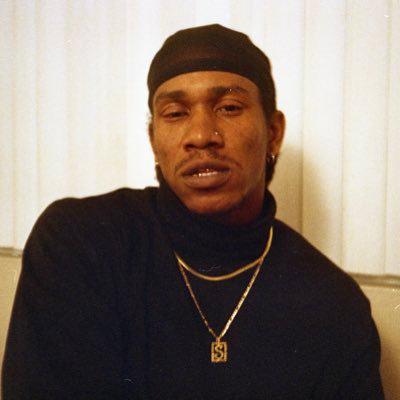
Chris Keys

Electronic
Downtempo
Alternative Hip Hop
 Viberate Rank: 206592
 Viberate Rank: 206592
 Monthly ListenersFollowers
 Subscribers
 Followers
 Followers
 FansTop Spotify Songs
| Track | 7-Day Streams | |
|---|---|---|
1 | 6.50K | |
2 | 3.94K | |
3 | 3.11K | |
4 | 1.79K | |
5 | 1.28K |
Top YouTube Videos| Video | 7-Day Views | |
|---|---|---|
1 | 352 | |
2 | 69 | |
3 | 66 | |
4 | 19 | |
5 | 16 |
Monthly ListenersFeatured in Playlists| Playlist | Followers | |
|---|---|---|
1 | While You Work (@whileyouwork) Eli Feghali | 81.75K |
2 |  Flame tunes 🔥 FKJ | 43.23K |
3 |  Indications' Inspirations Durand Jones & The Indications | 35.68K |
4 | I Juswanna Chill Loyle Carner | 25.86K |
5 |  Avant Garde Jazz Rap 📻 Nick | 23.53K |
Audience| City | Monthly Listeners | |
|---|---|---|
1 | | 931 |
2 |  | 867 |
3 | | 813 |
4 | | 782 |
5 | | 560 |
See full performance history, audience data, playlist activity, rankings, comparisons, and more in Viberate music analytics. Start with a free trial, then continue with a paid plan.
Chris Keys’ Spotify BioA highly skilled beatmaker and classically trained musician, Oakland-based Chris Keys produces heartfelt, nostalgic hip-hop, mixing off-beat samples with his own keyboard melodies, which are often improvised. While his vocal productions, including 2012's Ashes with Oh No and several collaborations with Quelle Chris, are abstract yet bold and immediate, his instrumental albums and EPs, such as 2018's Badnewsfirst, are more reserved and introspective.
Chris Keys was virtually unknown when Ashes, his collaboration with rapper/producer Oh No, was released in 2012. Following that album, Keys produced tracks for Georgia Anne Muldrow, Declaime, MED, and Jean Grae, in addition to regularly collaborating with Quelle Chris. Their first full-length together, Innocent Country, appeared in 2015, and garnered positive attention. Keys' first solo release, a set of downbeat instrumentals titled Bridges, was released in late 2017; all of the album's track titles were named after Bay Area bridges. Four… instrumental solo releases appeared in 2018: Fences, Detour, Greyscale, and Badnewsfirst. A brief, vocal-based single titled "Can I Come Home" was released in 2019. Innocent Country 2, a sequel to his 2015 album with Quelle Chris, was issued by Mello Music Group in 2020. The album's extensive guest list included Earl Sweatshirt, Merrill Garbus, Homeboy Sandman, and Pink Siifu. ~ Paul Simpson, Rovi
Viberate is a music analytics platform built for A&Rs, artist managers, labels, booking agents, marketers, and artists.
It helps music professionals track artist growth, analyze audience data, monitor playlist activity, compare artists, follow song performance, and identify opportunities across the music market.
Public artist pages provide a free preview of selected artist data. Paid plans provide access to deeper analytics, historical data, charts, comparisons, playlist tools, exports, alerts, reports, and additional professional features.
Yes. Public Viberate artist pages provide selected artist analytics and music data for free.
Viberate also offers a 7-day free trial of the full platform. A credit card is required to start the trial. The trial includes access to the complete product so users can test deeper artist analytics, historical views, playlist insights, comparisons, charts, exports, alerts, and reporting features before choosing a paid plan.
Viberate provides artist analytics across streaming, playlists, social media, video, radio airplay, songs, and audience markets.
Users can analyze Spotify performance, Spotify and Apple Music playlists, YouTube activity, TikTok and Instagram growth, radio spins, song performance, audience locations, demographics, rankings, and overall artist momentum.
Artist profiles also connect to music charts, similar artists, and comparison tools, helping users benchmark performance and evaluate artists in context.
Viberate updates key artist and track data daily.
For followed artists and tracks, selected data is refreshed multiple times per day. This helps teams monitor playlist changes, streaming movement, audience growth, releases, and campaign performance with more current data.
Update frequency can vary depending on the metric and data source.
Yes. Viberate lets users compare up to five artists side by side across streaming, social media, audience, and engagement metrics.
Users can compare fanbase growth, audience demographics, locations, Spotify performance, social metrics, and other artist data over selected time periods.
Artist comparison can be used for A&R scouting, benchmarking, booking decisions, campaign planning, and evaluating artists with similar audiences or market positions.