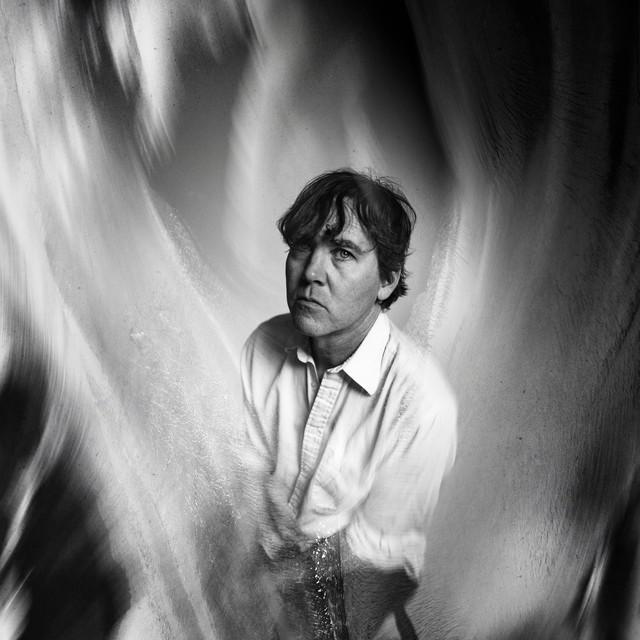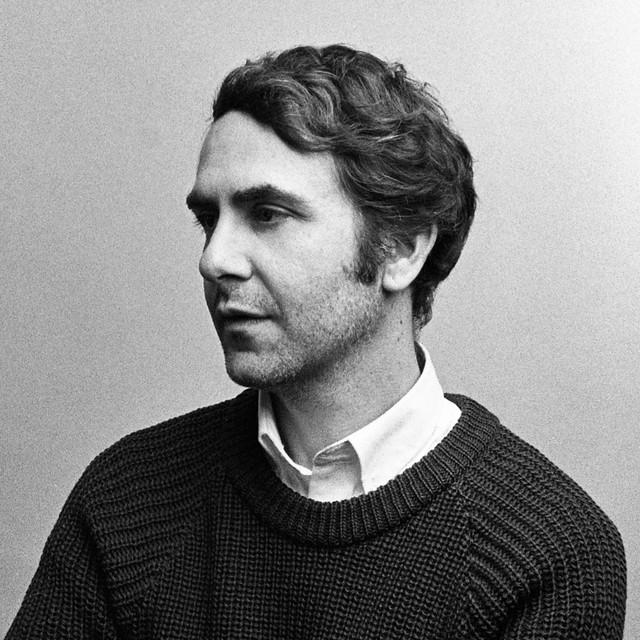
Chris Cohen

Rock
Indie Rock
Indie Pop
Psychedelic Rock
 Viberate Rank: 160222
 Viberate Rank: 160222
 Monthly ListenersFollowers
 Subscribers
 Followers
 Followers
 FansTop Spotify Songs
| Track | 7-Day Streams | |
|---|---|---|
1 | 4.63K | |
2 | 1.81K | |
3 | 1.74K | |
4 | 1.02K | |
5 | 681 |
Top YouTube Videos| Video | 7-Day Views | |
|---|---|---|
1 | 70 | |
2 | 58 | |
3 | 30 | |
4 | 23 | |
5 | 13 |
Monthly ListenersFeatured in Playlists| Playlist | Followers | |
|---|---|---|
1 |  Pitchfork Selects Pitchfork | 69.91K |
2 |  Jacob's Optimum Music Feast Jacob Collier | 47.95K |
3 |  Ben Watt's SpinCycle Ben Watt | 23.17K |
4 | Unofficial Reverb Radio Jeff Ferruzzo | 21.82K |
5 |  Cocktail Bar Vibe ₮HΣ💿V₳RD₳ | 15.87K |
Audience| City | Monthly Listeners | |
|---|---|---|
1 | | 929 |
2 | | 655 |
3 | | 603 |
4 |  | 571 |
5 |  | 526 |
See full performance history, audience data, playlist activity, rankings, comparisons, and more in Viberate music analytics. Start with a free trial, then continue with a paid plan.
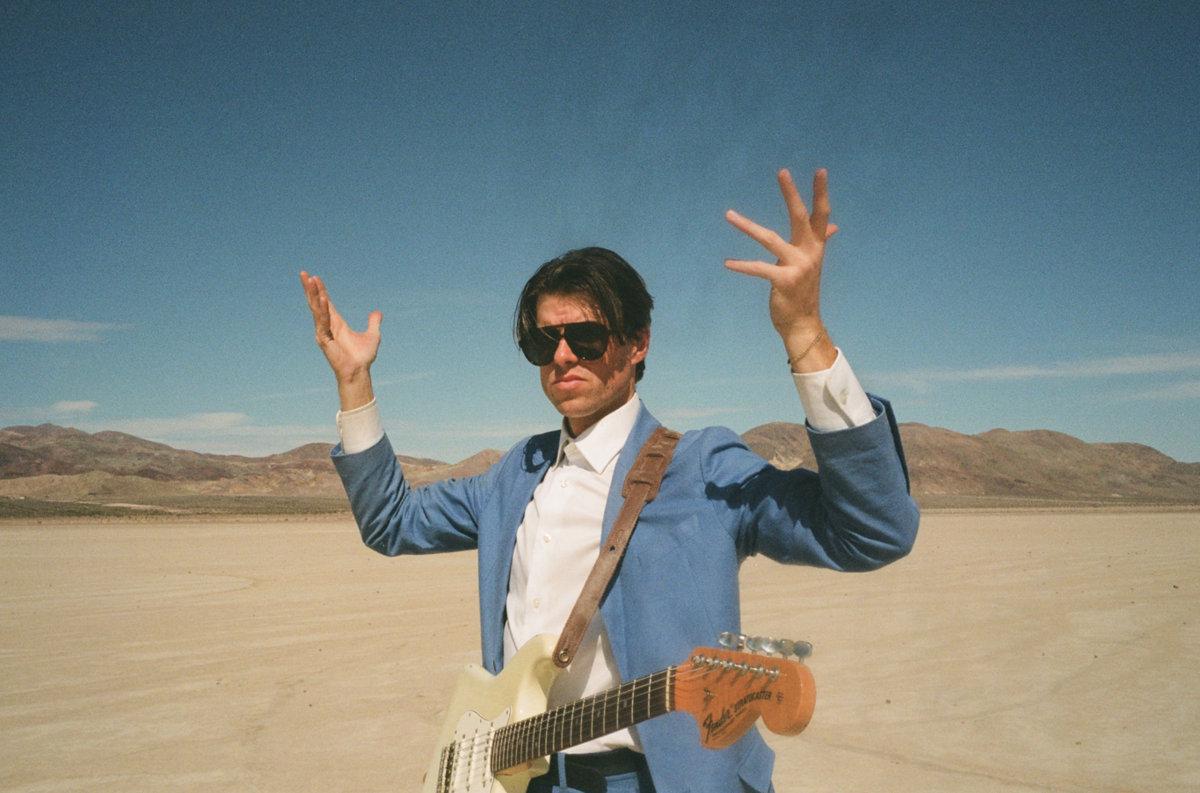
Chris Cohen’s Spotify BioSongwriter, arranger, producer, and multi-instrumentalist Chris Cohen makes sophisticated and gently psychedelic music, rich with texture and unexpected turns. He spent time in the 2000s leading indie group the Curtains before a stint as a guitarist with Deerhoof. He played with these and many other bands before striking out solo, bringing his personal songwriting voice into focus on his 2012 solo debut, Overgrown Path, and developing that voice on subsequent albums like 2024's Paint a Room.
Cohen was born in 1975 and raised in Southern California, where his father worked in the music business and his mother was an actress. At the age of three, he began bashing out rhythms on a toy drum kit, and in time he learned to play guitar, bass, and keyboards in addition to percussion, learning how to overdub himself into a full band on a four-track cassette machine by the age of 12. In 2000, Cohen formed the group the Curtains; initially working with Jamie Peterson and Trevor Shimizu, the group… released their debut album, Fast Talks, in 2001.
The Curtains revamped their lineup in 2002, with Peterson and Shimizu replaced by Andrew Maxwell and Greg Saunier, and that same year, Cohen joined the celebrated indie rock act Deerhoof (co-founded by Saunier), making his recorded debut with the band on the 2003 album Apple O'. (Cohen also lent his skills as guitarist to the Deerhoof side project Natural Dreamers, whose self-titled album was released the same year.) 2003 saw the release of another Curtains album, Flybys, and Vehicles of Travel followed in 2004. While most musicians would be busy enough writing, recording, and supporting two albums in as many years, Cohen also continued to work with Deerhoof, and served as an accompanist with Cass McCombs, Danielson, Haunted Graffiti, and White Magic, both in the studio and on the road.
After the Curtains took an extended break, Cohen revived the name in 2007 as a solo studio project on the album Calamity. In 2008, he launched another new project, Cryptacize, with Nedelle Torrisi (who had contributed to the Calamity album), and the new combo released Dig That Treasure the same year; the follow-up, Mythomania, appeared in 2009. In 2012, Cohen put his many projects on hold long enough to complete and release his first solo album, Overgrown Path, which was issued by the Captured Tracks label. Four years later, he returned with his second full-length, As If Apart, which featured two songs co-written by Zach Phillips of Blanche Blanche Blanche.
In between work on his own music, Cohen began doing more production work on other artists' albums. He produced Weyes Blood's acclaimed 2016 album Front Row Seat to Earth, as well as records from EZTV and Marietta. In 2019 he released his third, self-titled solo album. Again released by Captured Tracks, it featured guest appearances from Dear Nora's Katy Davidson, Zach Phillips, and saxophonist Kasey Knudsen. In 2024, Cohen delivered his fourth solo effort, Paint a Room, this time working with Sub Pop subsidiary Hardly Art. He collaborated with Jeff Parker and Josh Johnson for the album's horn arrangements, adding ambient jazz touches to his rich and mellow songwriting style. ~ Mark Deming, Rovi
Viberate is a music analytics platform built for A&Rs, artist managers, labels, booking agents, marketers, and artists.
It helps music professionals track artist growth, analyze audience data, monitor playlist activity, compare artists, follow song performance, and identify opportunities across the music market.
Public artist pages provide a free preview of selected artist data. Paid plans provide access to deeper analytics, historical data, charts, comparisons, playlist tools, exports, alerts, reports, and additional professional features.
Yes. Public Viberate artist pages provide selected artist analytics and music data for free.
Viberate also offers a 7-day free trial of the full platform. A credit card is required to start the trial. The trial includes access to the complete product so users can test deeper artist analytics, historical views, playlist insights, comparisons, charts, exports, alerts, and reporting features before choosing a paid plan.
Viberate provides artist analytics across streaming, playlists, social media, video, radio airplay, songs, and audience markets.
Users can analyze Spotify performance, Spotify and Apple Music playlists, YouTube activity, TikTok and Instagram growth, radio spins, song performance, audience locations, demographics, rankings, and overall artist momentum.
Artist profiles also connect to music charts, similar artists, and comparison tools, helping users benchmark performance and evaluate artists in context.
Viberate updates key artist and track data daily.
For followed artists and tracks, selected data is refreshed multiple times per day. This helps teams monitor playlist changes, streaming movement, audience growth, releases, and campaign performance with more current data.
Update frequency can vary depending on the metric and data source.
Yes. Viberate lets users compare up to five artists side by side across streaming, social media, audience, and engagement metrics.
Users can compare fanbase growth, audience demographics, locations, Spotify performance, social metrics, and other artist data over selected time periods.
Artist comparison can be used for A&R scouting, benchmarking, booking decisions, campaign planning, and evaluating artists with similar audiences or market positions.