
Chris Brubeck

Jazz
Big band Jazz
Smooth Jazz
 Viberate Rank: 466692
 Viberate Rank: 466692
 Monthly ListenersFollowers
 Subscribers
 Followers
 Followers
 FansTop Spotify Songs
| Track | 7-Day Streams | |
|---|---|---|
1 | 4.29K | |
2 | 3.98K | |
3 | 3.49K | |
4 | 620 | |
5 | 127 |
Top YouTube VideosMonthly ListenersFeatured in Playlists| Playlist | Followers | |
|---|---|---|
1 | 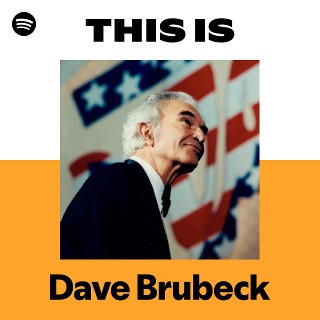 This Is Dave Brubeck Spotify | 31.70K |
2 |  Vintage Thanksgiving Music Audrey’s JukeBox | 30.32K |
3 |  Jamie Cullum's BBC Radio 2 Show jamiecullumofficial | 8.78K |
4 | Happy Feel Good Jazz Jared Hubbell | 4.57K |
5 | 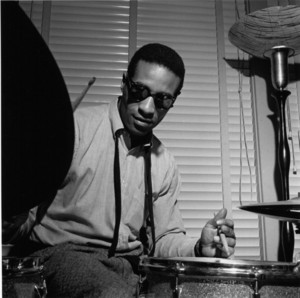 Pure Jazz Drums Fabián Rodríguez | 4.22K |
Audience| City | Monthly Listeners | |
|---|---|---|
1 |  | 23 |
2 |  | 22 |
3 | | 16 |
4 |  | 14 |
5 |  | 14 |
See full performance history, audience data, playlist activity, rankings, comparisons, and more in Viberate music analytics. Start with a free trial, then continue with a paid plan.
Chris Brubeck’s Spotify BioChris Brubeck may be best known to the casual jazz fan for his long tenure (1978-1988) as the bassist in the Dave Brubeck Quartet, but he has done much more. He studied piano formally prior to learning trombone while in junior high school and also taught himself electric bass. He is a self-taught orchestrator as well. In addition to working with Dave Brubeck and brothers Dan and Darius in Two Generations of Brubeck (later called the New Brubeck Quartet), Chris was a part of the rock groups Sky King and New Heavenly Blue, recorded two records with Larry Coryell (along with Dan and Darius), made a trio LP with Andy LaVerne (joined by Dan), and recorded and toured extensively with folk singer/banjo player Bill Crofut up until his death in 1999. Following Crofut's death, Chris Brubeck started two new bands, the Brubeck Brothers Quartet, which he co-leads with Dan Brubeck, and Triple Play, with guitarist Joel Brown and harmonica player Peter "Madcat" Ruth. Chris Brubeck has become a… noteworthy composer and arranger, having written off-Broadway musicals, choral works, and a concerto for bass trombone and orchestra. He has blossomed as a lyricist, too, composing a number of first-rate original ballads (including "Now That the Children Are Gone," "Across Your Dreams," and the lovely but bittersweet "The Distance Between Us") and amusing lyrics to some of his father's most rhythmically challenging pieces like "Unsquare Dance," "Blue Rondo a la Turk," and "Polly." His love of many genres of music in addition to jazz is consistently demonstrated during concerts and recordings under his name. ~ Ken Dryden, Rovi
Viberate is a music analytics platform built for A&Rs, artist managers, labels, booking agents, marketers, and artists.
It helps music professionals track artist growth, analyze audience data, monitor playlist activity, compare artists, follow song performance, and identify opportunities across the music market.
Public artist pages provide a free preview of selected artist data. Paid plans provide access to deeper analytics, historical data, charts, comparisons, playlist tools, exports, alerts, reports, and additional professional features.
Yes. Public Viberate artist pages provide selected artist analytics and music data for free.
Viberate also offers a 7-day free trial of the full platform. A credit card is required to start the trial. The trial includes access to the complete product so users can test deeper artist analytics, historical views, playlist insights, comparisons, charts, exports, alerts, and reporting features before choosing a paid plan.
Viberate provides artist analytics across streaming, playlists, social media, video, radio airplay, songs, and audience markets.
Users can analyze Spotify performance, Spotify and Apple Music playlists, YouTube activity, TikTok and Instagram growth, radio spins, song performance, audience locations, demographics, rankings, and overall artist momentum.
Artist profiles also connect to music charts, similar artists, and comparison tools, helping users benchmark performance and evaluate artists in context.
Viberate updates key artist and track data daily.
For followed artists and tracks, selected data is refreshed multiple times per day. This helps teams monitor playlist changes, streaming movement, audience growth, releases, and campaign performance with more current data.
Update frequency can vary depending on the metric and data source.
Yes. Viberate lets users compare up to five artists side by side across streaming, social media, audience, and engagement metrics.
Users can compare fanbase growth, audience demographics, locations, Spotify performance, social metrics, and other artist data over selected time periods.
Artist comparison can be used for A&R scouting, benchmarking, booking decisions, campaign planning, and evaluating artists with similar audiences or market positions.