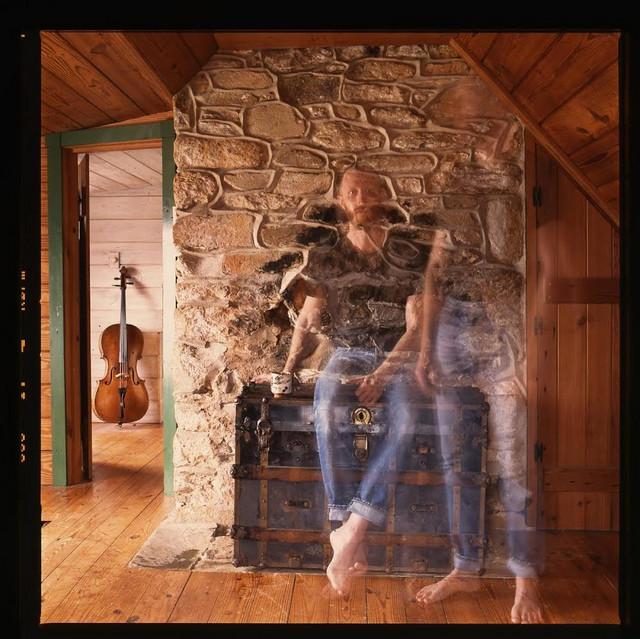
Chris and Thomas

Country
Americana/Alt Country
Indie Folk
 Viberate Rank: 206172
 Viberate Rank: 206172
 Monthly ListenersFollowers
 Subscribers
 Followers
 Followers
 FansTop Spotify Songs
| Track | 7-Day Streams | |
|---|---|---|
1 | 19.54K | |
2 | 10.90K | |
3 | 5.89K | |
4 | 2.13K | |
5 | 880 |
Top YouTube VideosMonthly ListenersFeatured in Playlists| Playlist | Followers | |
|---|---|---|
1 |  folky indie songs that are soft and about love bornhold | 21.63K |
2 |  Relaxed Jorn Luttikhold | 11.66K |
3 | ℝ𝕠𝕒𝕕 𝕋𝕣𝕚𝕡 Sue-z-q 🪐🌌 | 10.94K |
4 |  indie love songs <3 yasminerog | 9.64K |
5 |  hannigram coded sofis | 8.86K |
Audience| City | Monthly Listeners | |
|---|---|---|
1 | | 1.11K |
2 | | 960 |
3 | | 945 |
4 |  | 882 |
5 | | 850 |
See full performance history, audience data, playlist activity, rankings, comparisons, and more in Viberate music analytics. Start with a free trial, then continue with a paid plan.
Chris and Thomas’ Spotify BioThough they were born on different continents, Chris Anderson and Thomas Hien found musical kinship at university in Liverpool, where both were studying. After school, they spent the last few years of the 20th century driving around England in a van as part of a traveling cooking show/restaurant they had developed, but eventually they decided that music was really the path they wanted to pursue. Moving to Los Angeles in 2003, Chris and Thomas, as they decided to call themselves, played their first show together in November of that year. With their unique but still recognizable style -- both were capable of singing and playing guitar, banjo, Dobro, and piano -- they began to gain a following, and, unbeknownst to the duo, L.A. radio station KCRW picked up their song "Take These Thoughts." Eventually their EP, Vista Street Sessions, made its way into the hands of influential DJ Nic Harcourt, who began putting their music, which was heavily influenced by both American and British folk, in… his rotation. In the summer of 2006 Chris and Thomas' debut full-length, Land of Sea, was released in the U.K., and thanks to the overwhelming response it got, plus the duo's contribution to the soundtrack of the Garry Marshall movie Georgia Rule, the album was also slated for a U.S. re-release in August of 2007. ~ Marisa Brown, Rovi
Viberate is a music analytics platform built for A&Rs, artist managers, labels, booking agents, marketers, and artists.
It helps music professionals track artist growth, analyze audience data, monitor playlist activity, compare artists, follow song performance, and identify opportunities across the music market.
Public artist pages provide a free preview of selected artist data. Paid plans provide access to deeper analytics, historical data, charts, comparisons, playlist tools, exports, alerts, reports, and additional professional features.
Yes. Public Viberate artist pages provide selected artist analytics and music data for free.
Viberate also offers a 7-day free trial of the full platform. A credit card is required to start the trial. The trial includes access to the complete product so users can test deeper artist analytics, historical views, playlist insights, comparisons, charts, exports, alerts, and reporting features before choosing a paid plan.
Viberate provides artist analytics across streaming, playlists, social media, video, radio airplay, songs, and audience markets.
Users can analyze Spotify performance, Spotify and Apple Music playlists, YouTube activity, TikTok and Instagram growth, radio spins, song performance, audience locations, demographics, rankings, and overall artist momentum.
Artist profiles also connect to music charts, similar artists, and comparison tools, helping users benchmark performance and evaluate artists in context.
Viberate updates key artist and track data daily.
For followed artists and tracks, selected data is refreshed multiple times per day. This helps teams monitor playlist changes, streaming movement, audience growth, releases, and campaign performance with more current data.
Update frequency can vary depending on the metric and data source.
Yes. Viberate lets users compare up to five artists side by side across streaming, social media, audience, and engagement metrics.
Users can compare fanbase growth, audience demographics, locations, Spotify performance, social metrics, and other artist data over selected time periods.
Artist comparison can be used for A&R scouting, benchmarking, booking decisions, campaign planning, and evaluating artists with similar audiences or market positions.