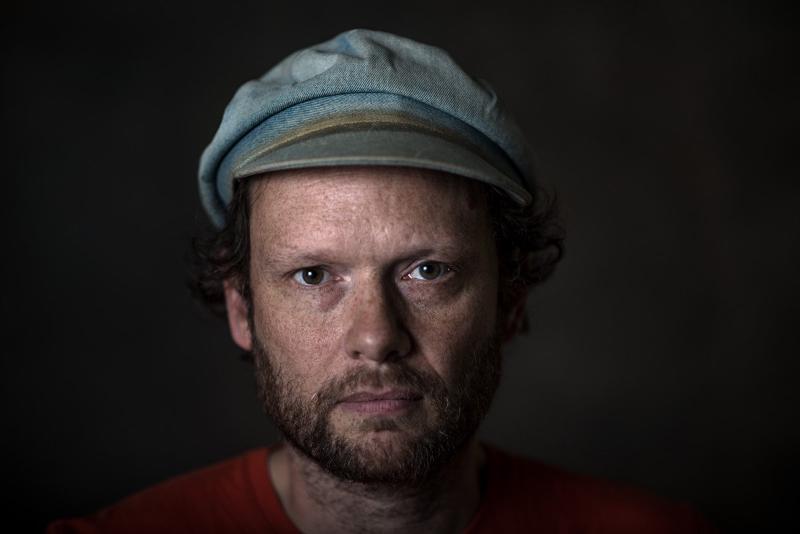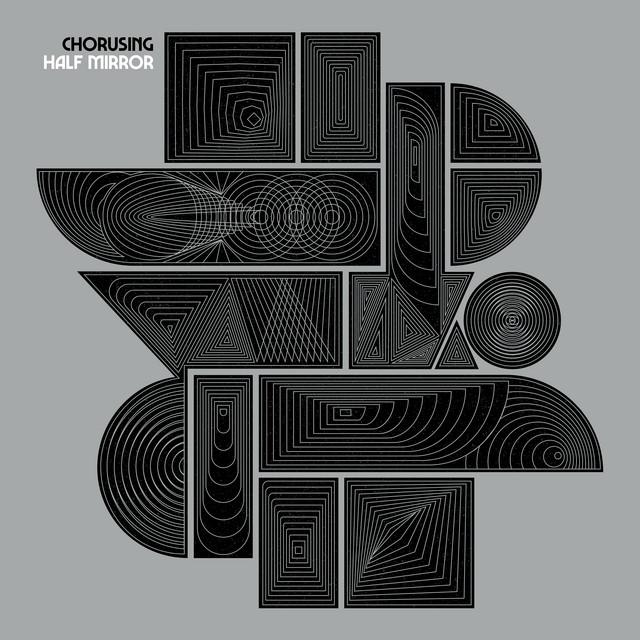
Chorusing

Rock
Folk Rock
 Viberate Rank: 939922
 Viberate Rank: 939922
 Monthly ListenersFollowers
 Subscribers
 Followers
 Followers
 FansTop Spotify Songs
| Track | 7-Day Streams | |
|---|---|---|
1 | 18 | |
2 | 16 | |
3 | 15 | |
4 | 14 | |
5 | 12 |
Top YouTube VideosMonthly ListenersFeatured in Playlists| Playlist | Followers | |
|---|---|---|
1 |  Duyster (all tracks ever played) Wike | 8.15K |
2 |  Studio Brussel: duyster (all tracks ever played) Studio Brussel | 3.29K |
3 |  WFMU's Heavily Played Records - 2020s Edition WFMU | 1.93K |
4 |  Wavey Tracks Something Beautiful | 1.50K |
5 |  Duyster2021 Bas Barbier | 1.13K |
Audience| City | Monthly Listeners | |
|---|---|---|
1 |  | 3 |
See full performance history, audience data, playlist activity, rankings, comparisons, and more in Viberate music analytics. Start with a free trial, then continue with a paid plan.
Chorusing’s Spotify BioOn Half Mirror, O’Connell superimposes warm analog synths onto self-described “electro folk” with a simultaneously cosmic and earthly outcome. Tracked at home in the mountains of North Carolina using a vintage tape delay, electric guitar, and a homemade synthesizer he named ‘Balsam,’ the album is at once a lonesome push-pull of electronics humanized by folk elements, and folk music made alien by electronic adornments. O’Connell’s own story is just as captivatingly segmented, and he crafted the personal, cathartic Half Mirror over the course of a decade.
In 2011, O’Connell’s interest in electronics and engineering led him to Asheville, NC, where he worked for Moog Music calibrating and building synthesizers, and testing vintage analog delay chips by day. At night he would spend his time building homemade synths and writing songs. It was here that he began the bulk of the work on Half Mirror, imbuing his music with the qualities of his environment almost by necessity. Filtering the… poetry of fractured, imperfect memories through a lush, but sparse palette of sounds, Half Mirror evokes a profoundly moody sense of place -- the fog heavy in the mountain peaks, the dew present on early morning walks, and the musky smell of rhododendrons in the air.
Viberate is a music analytics platform built for A&Rs, artist managers, labels, booking agents, marketers, and artists.
It helps music professionals track artist growth, analyze audience data, monitor playlist activity, compare artists, follow song performance, and identify opportunities across the music market.
Public artist pages provide a free preview of selected artist data. Paid plans provide access to deeper analytics, historical data, charts, comparisons, playlist tools, exports, alerts, reports, and additional professional features.
Yes. Public Viberate artist pages provide selected artist analytics and music data for free.
Viberate also offers a 7-day free trial of the full platform. A credit card is required to start the trial. The trial includes access to the complete product so users can test deeper artist analytics, historical views, playlist insights, comparisons, charts, exports, alerts, and reporting features before choosing a paid plan.
Viberate provides artist analytics across streaming, playlists, social media, video, radio airplay, songs, and audience markets.
Users can analyze Spotify performance, Spotify and Apple Music playlists, YouTube activity, TikTok and Instagram growth, radio spins, song performance, audience locations, demographics, rankings, and overall artist momentum.
Artist profiles also connect to music charts, similar artists, and comparison tools, helping users benchmark performance and evaluate artists in context.
Viberate updates key artist and track data daily.
For followed artists and tracks, selected data is refreshed multiple times per day. This helps teams monitor playlist changes, streaming movement, audience growth, releases, and campaign performance with more current data.
Update frequency can vary depending on the metric and data source.
Yes. Viberate lets users compare up to five artists side by side across streaming, social media, audience, and engagement metrics.
Users can compare fanbase growth, audience demographics, locations, Spotify performance, social metrics, and other artist data over selected time periods.
Artist comparison can be used for A&R scouting, benchmarking, booking decisions, campaign planning, and evaluating artists with similar audiences or market positions.