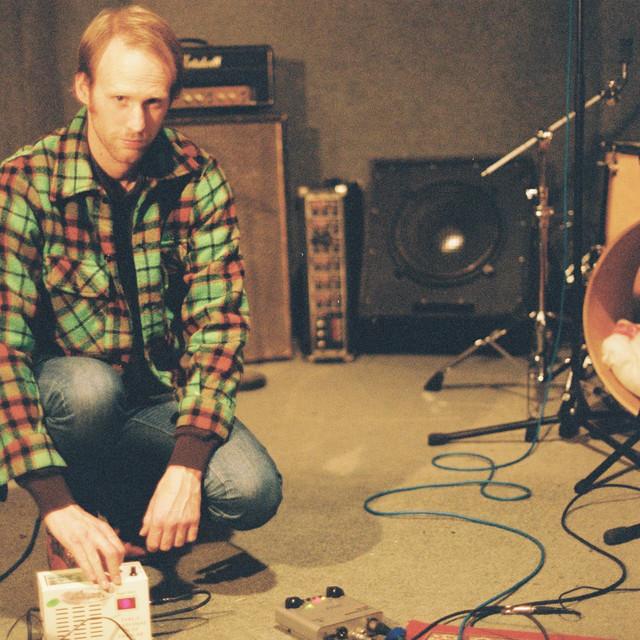
Chook Race

Pop
Indie Pop
Indie Rock
 Viberate Rank: 590643
 Viberate Rank: 590643
 Monthly ListenersFollowers
 Subscribers
 Followers
 Followers
 FansTop Spotify Songs
| Track | 7-Day Streams | |
|---|---|---|
1 | 34 | |
2 | 20 | |
3 | 15 | |
4 | 13 | |
5 | 13 |
Top YouTube Videos| Video | 7-Day Views | |
|---|---|---|
1 | 7 | |
2 | 5 | |
3 | 3 | |
4 | 1 |
Monthly ListenersFeatured in Playlists| Playlist | Followers | |
|---|---|---|
1 |  NPR All Songs Considered - The Bob Boilen years (unofficial) Fri Tsch | 30.02K |
2 |  DJ AMABLE TOPS (2011-2017) ginzaginza | 2.35K |
3 |  BIRP! 2009 - 2019 BIRP! | 2.20K |
4 |  The Daily Indie Playlist indieplaylist | 1.95K |
5 |  All Songs Considered 24/7 NPR Music | 1.71K |
Audience| City | Monthly Listeners | |
|---|---|---|
1 |  | 5 |
2 | | 4 |
3 | | 4 |
4 | | 3 |
5 | | 3 |
See full performance history, audience data, playlist activity, rankings, comparisons, and more in Viberate music analytics. Start with a free trial, then continue with a paid plan.
Chook Race’s Spotify BioIn the 2010s there was a veritable flood of bands from Australia influenced by the scrappy, scruffy sound of early Flying Nun bands, and the Melbourne trio Chook Race was certainly one of them. They also showed the influence of U.S. jangle pop bands of the '80s like R.E.M., while having plenty of lo-fi grit in their DNA too. Guitarist/vocalist Robert Remedios, bassist Matt Liveriadis, and drummer Carolyn Hawkins (who later went on to play in the bands Pronto and School Damage as well) formed the group in 2010 and began playing shows around their hometown. Their first single came out in 2012, featuring three short pop songs mixed and mastered by Mikey Young of Total Control and Eddy Current Suppression Ring. Their next release was a split single with Sydney group Unity Floors on their Mystic Olympic label in late 2014. Chook Race had already recorded their first album in January of that year, working with Tom Hardisty of the like-minded group Woollen Kits to get their sound down on… tape. About Time was self-released in early 2015. The album's simple charms caught the ear of Trouble in Mind Records in the U.S. and Brisbane's Tenth Court, and the two labels teamed up to sponsor the trio's next album. Recorded in a single day with Hardisty at the controls, and with Mikey Young once again providing his masterful mastering job, Around the House was issued in September of 2016. ~ Tim Sendra, Rovi
Viberate is a music analytics platform built for A&Rs, artist managers, labels, booking agents, marketers, and artists.
It helps music professionals track artist growth, analyze audience data, monitor playlist activity, compare artists, follow song performance, and identify opportunities across the music market.
Public artist pages provide a free preview of selected artist data. Paid plans provide access to deeper analytics, historical data, charts, comparisons, playlist tools, exports, alerts, reports, and additional professional features.
Yes. Public Viberate artist pages provide selected artist analytics and music data for free.
Viberate also offers a 7-day free trial of the full platform. A credit card is required to start the trial. The trial includes access to the complete product so users can test deeper artist analytics, historical views, playlist insights, comparisons, charts, exports, alerts, and reporting features before choosing a paid plan.
Viberate provides artist analytics across streaming, playlists, social media, video, radio airplay, songs, and audience markets.
Users can analyze Spotify performance, Spotify and Apple Music playlists, YouTube activity, TikTok and Instagram growth, radio spins, song performance, audience locations, demographics, rankings, and overall artist momentum.
Artist profiles also connect to music charts, similar artists, and comparison tools, helping users benchmark performance and evaluate artists in context.
Viberate updates key artist and track data daily.
For followed artists and tracks, selected data is refreshed multiple times per day. This helps teams monitor playlist changes, streaming movement, audience growth, releases, and campaign performance with more current data.
Update frequency can vary depending on the metric and data source.
Yes. Viberate lets users compare up to five artists side by side across streaming, social media, audience, and engagement metrics.
Users can compare fanbase growth, audience demographics, locations, Spotify performance, social metrics, and other artist data over selected time periods.
Artist comparison can be used for A&R scouting, benchmarking, booking decisions, campaign planning, and evaluating artists with similar audiences or market positions.