Chip E.

Electronic
House
 Viberate Rank: 208698
 Viberate Rank: 208698
 Monthly ListenersFollowers
 Subscribers
 Followers
 Followers
 FansTop Spotify Songs
| Track | 7-Day Streams | |
|---|---|---|
1 | 1.43K | |
2 | 334 | |
3 | 211 | |
4 | 211 | |
5 | 156 |
Top YouTube VideosMonthly ListenersFeatured in Playlists| Playlist | Followers | |
|---|---|---|
1 |  House Origins Spotify | 102.50K |
2 |  Green Velvet's track IDs Spotify | 75.68K |
3 | Clau Do Vale | 45.63K |
4 | Mathias Blaavand Mathias Blaavand | 28.45K |
5 | House Dance Classics list noodleshouse | 20.68K |
Audience| City | Monthly Listeners | |
|---|---|---|
1 | | 556 |
2 |  | 175 |
3 | | 91 |
4 |  | 80 |
5 | | 75 |
See full performance history, audience data, playlist activity, rankings, comparisons, and more in Viberate music analytics. Start with a free trial, then continue with a paid plan.
Chip E.’s Spotify BioChip E. was recently featured in the January DJ Mag. His classics "Time to Jack" and "It's House" are credited as the 'Blueprint for House and Techno'.
Born and raised in Chicago, he is one of the originators of its legendary house music scene. (The term “jacking” originated from one of his early records, the evergreen floor-filler ‘Time To Jack’.)
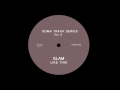
Notably, his records have become a font of inspiration (and samples) for other artists. Listen close and you’ll hear Chip E’s beats on DJ Sneak’s remix of Eddie Amador’s classic “House Music”, Jeff Mills’ “Skin Deep”, Paul Johnson’s “It’s House” (bootleg), and the Nintendo “Sonic Rush” video game, as well as a collaboration with Scottish techno kingpins Slam on “Like This”, and his remake of "Time 2 Jack" with Carl Cox.
Nicknamed The Architect for his crisp, immaculate construction, Chip E brings the same creative approach to his DJ sets. Whether he’s spinning at the @Ultra Music Festival or his home-town club, his sets are more live… performance than simple mixing. “Back in the day, the DJ supported the party. Now, the DJ is the party,” he says. “I like to play on four decks to really express myself and move the crowd. It’s very spontaneous.”
Chip E blurs the line between studio and dancefloor. “DJing is an extension of my production. Even if I’m playing recorded music it is a performance, I’m going to do something creative. Producing and playing out are both extensions of creating music.”
Viberate is a music analytics platform built for A&Rs, artist managers, labels, booking agents, marketers, and artists.
It helps music professionals track artist growth, analyze audience data, monitor playlist activity, compare artists, follow song performance, and identify opportunities across the music market.
Public artist pages provide a free preview of selected artist data. Paid plans provide access to deeper analytics, historical data, charts, comparisons, playlist tools, exports, alerts, reports, and additional professional features.
Yes. Public Viberate artist pages provide selected artist analytics and music data for free.
Viberate also offers a 7-day free trial of the full platform. A credit card is required to start the trial. The trial includes access to the complete product so users can test deeper artist analytics, historical views, playlist insights, comparisons, charts, exports, alerts, and reporting features before choosing a paid plan.
Viberate provides artist analytics across streaming, playlists, social media, video, radio airplay, songs, and audience markets.
Users can analyze Spotify performance, Spotify and Apple Music playlists, YouTube activity, TikTok and Instagram growth, radio spins, song performance, audience locations, demographics, rankings, and overall artist momentum.
Artist profiles also connect to music charts, similar artists, and comparison tools, helping users benchmark performance and evaluate artists in context.
Viberate updates key artist and track data daily.
For followed artists and tracks, selected data is refreshed multiple times per day. This helps teams monitor playlist changes, streaming movement, audience growth, releases, and campaign performance with more current data.
Update frequency can vary depending on the metric and data source.
Yes. Viberate lets users compare up to five artists side by side across streaming, social media, audience, and engagement metrics.
Users can compare fanbase growth, audience demographics, locations, Spotify performance, social metrics, and other artist data over selected time periods.
Artist comparison can be used for A&R scouting, benchmarking, booking decisions, campaign planning, and evaluating artists with similar audiences or market positions.