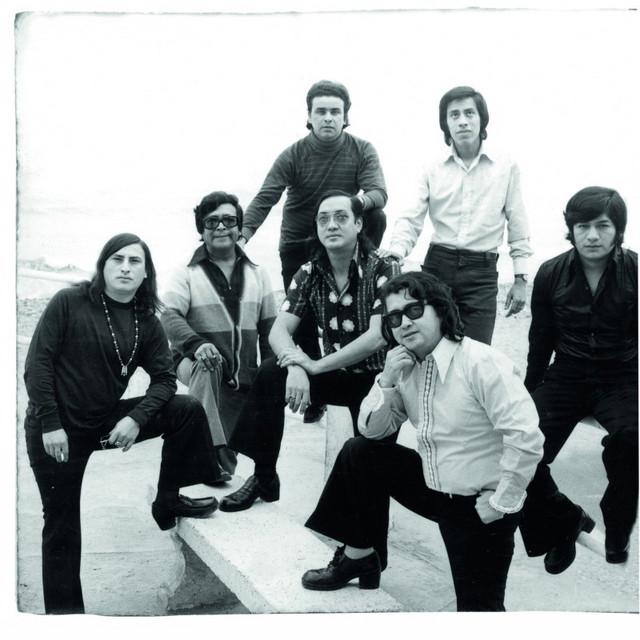
Chicha Libre

Latin
Cumbia
Other Latin Music
 Viberate Rank: 85046
 Viberate Rank: 85046
 Monthly ListenersFollowers
 Subscribers
 Followers
 Followers
 FansTop Spotify Songs
| Track | 7-Day Streams | |
|---|---|---|
1 | 14.25K | |
2 | 8.28K | |
3 | 4.38K | |
4 | 4.33K | |
5 | 3.94K |
Top YouTube Videos| Video | 7-Day Views | |
|---|---|---|
1 | 142 | |
2 | 141 | |
3 | 122 | |
4 | 105 | |
5 | 100 |
Monthly ListenersFeatured in Playlists| Playlist | Followers | |
|---|---|---|
1 |  Tulum Vibes Spotify | 481.68K |
2 |  Outer Banks Official Playlist Spotify | 250.06K |
3 |  🌈 LSD | ACID | peaceful | psychedelic | good vibes | trippy | happy 🌈 nerogee | 140.59K |
4 |  TROPILOCO Spotify | 52.33K |
5 |  Cumbia Psicodelica Peruana xagosaez | 40.28K |
Audience| City | Monthly Listeners | |
|---|---|---|
1 |  | 3.99K |
2 |  | 3.24K |
3 |  | 1.90K |
4 |  | 1.71K |
5 |  | 1.49K |
See full performance history, audience data, playlist activity, rankings, comparisons, and more in Viberate music analytics. Start with a free trial, then continue with a paid plan.
Chicha Libre’s Spotify Bio"One of the world's preeminent tropical psychedelic bands." MTV
Back in 2008, Chicha Libre launched the first psychedelic cumbia and chicha wave in North America with its debut album Sonido Amazonico (Barbès Records). The album was a tribute to 70’s Peruvian musicians from Lima and the Amazon and their eclectic mix of tropical rhythms and psychedelic sounds. The album followed the release of the compilation The Roots of Chicha (also on Barbès Records) which first documented Peruvian cumbia and chicha outside of Peru.
With Canibalismo, their follow-up album, Chicha Libre kept forging its own path with a deeper psychedelic sensibility and a freeform approach to cumbia that integrated even more heterogenous elements. The band toured around the world and proved particularly successful in Chile, Argentina and Mexico.
After a long hiatus, they released the EP Tequila y Aguardiente in the summer of 2024 – featuring collaborations with their friends Son Rompe Pera, from Mexico, and La Sonora… Mazuren, from Colombia. They followed with shows in the US, Canada and Mexico and collaborations with legendary Los Mirlos.
Chicha Libre's new lineup includes musicians from Mexico, Venezuela, Puerto Rico, France and the US and incorporates their various backgrounds into the arrangements.
Olivier Conan - cuatro, vocals; Joshua Camp - keyboards, accordion, vocals; Karina Colis - timbales, vocals; Dan Martinez - bass; Neil Ochoa - congas; Stephen Ulrich - guitar
Viberate is a music analytics platform built for A&Rs, artist managers, labels, booking agents, marketers, and artists.
It helps music professionals track artist growth, analyze audience data, monitor playlist activity, compare artists, follow song performance, and identify opportunities across the music market.
Public artist pages provide a free preview of selected artist data. Paid plans provide access to deeper analytics, historical data, charts, comparisons, playlist tools, exports, alerts, reports, and additional professional features.
Yes. Public Viberate artist pages provide selected artist analytics and music data for free.
Viberate also offers a 7-day free trial of the full platform. A credit card is required to start the trial. The trial includes access to the complete product so users can test deeper artist analytics, historical views, playlist insights, comparisons, charts, exports, alerts, and reporting features before choosing a paid plan.
Viberate provides artist analytics across streaming, playlists, social media, video, radio airplay, songs, and audience markets.
Users can analyze Spotify performance, Spotify and Apple Music playlists, YouTube activity, TikTok and Instagram growth, radio spins, song performance, audience locations, demographics, rankings, and overall artist momentum.
Artist profiles also connect to music charts, similar artists, and comparison tools, helping users benchmark performance and evaluate artists in context.
Viberate updates key artist and track data daily.
For followed artists and tracks, selected data is refreshed multiple times per day. This helps teams monitor playlist changes, streaming movement, audience growth, releases, and campaign performance with more current data.
Update frequency can vary depending on the metric and data source.
Yes. Viberate lets users compare up to five artists side by side across streaming, social media, audience, and engagement metrics.
Users can compare fanbase growth, audience demographics, locations, Spotify performance, social metrics, and other artist data over selected time periods.
Artist comparison can be used for A&R scouting, benchmarking, booking decisions, campaign planning, and evaluating artists with similar audiences or market positions.