Chevreuil

Rock
Alternative Rock
Math Rock
 Viberate Rank: 440105
 Viberate Rank: 440105
 Monthly ListenersFollowers
 Subscribers
 Followers
 Followers
 FansTop YouTube VideosMonthly ListenersFeatured in Playlists
| Playlist | Followers | |
|---|---|---|
1 | New music 2026 OOR | 7.51K |
2 | STEVE ALBINI Sorgesalmen | 5.87K |
3 |  The Sound of Instrumental Math Rock The Sounds of Spotify | 1.73K |
4 |  STEVE ALBINI Mix With The Masters | 1.50K |
5 | Instrumental Math Rock sawceofficial | 1.24K |
Audience| City | Monthly Listeners | |
|---|---|---|
1 | | 36 |
2 | | 6 |
3 | | 5 |
4 | | 4 |
5 | | 3 |
See full performance history, audience data, playlist activity, rankings, comparisons, and more in Viberate music analytics. Start with a free trial, then continue with a paid plan.
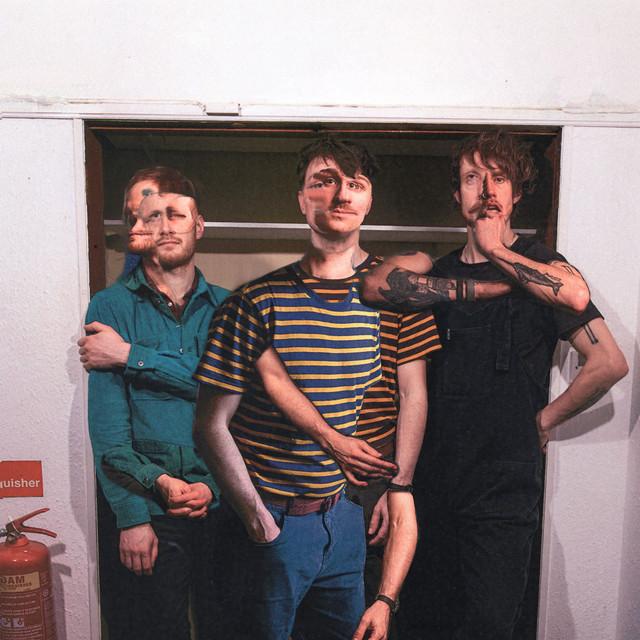
Chevreuil’s Spotify BioChevreuil is the French rock duo of Julien F. and Tony C., formed in 1998 after the two met three years earlier while studying at an art school. From the beginning, they approached the idea of a band as a performative art installation — a self-contained, sculptural device for sound, space, and motion rather than a conventional rock ensemble. Julien and Tony, respectively, in their parlance, play “magnetic drums” and “magnetic guitar,” an analogy for their livewire, one-on-one chemistry, where the music seems to fall together by way of natural forces.
Rejecting the addition of a bassist early on, Chevreuil built its music around reduction, repetition, and architecture. Tony’s guitar runs through four amplifiers arranged around Julien’s drum kit, creating a quadraphonic field that surrounds the players. Julien is never amplified, allowing the group to perform anywhere so long as there’s a single outlet for the amplifiers. The result is both physical and spatial — a minimalist engine of… rhythm and resonance that behaves as much like an installation as a band. Their sound construction operates like an assemblage of interlocking blocks of energy, each part locking precisely into the next.
Viberate is a music analytics platform built for A&Rs, artist managers, labels, booking agents, marketers, and artists.
It helps music professionals track artist growth, analyze audience data, monitor playlist activity, compare artists, follow song performance, and identify opportunities across the music market.
Public artist pages provide a free preview of selected artist data. Paid plans provide access to deeper analytics, historical data, charts, comparisons, playlist tools, exports, alerts, reports, and additional professional features.
Yes. Public Viberate artist pages provide selected artist analytics and music data for free.
Viberate also offers a 7-day free trial of the full platform. A credit card is required to start the trial. The trial includes access to the complete product so users can test deeper artist analytics, historical views, playlist insights, comparisons, charts, exports, alerts, and reporting features before choosing a paid plan.
Viberate provides artist analytics across streaming, playlists, social media, video, radio airplay, songs, and audience markets.
Users can analyze Spotify performance, Spotify and Apple Music playlists, YouTube activity, TikTok and Instagram growth, radio spins, song performance, audience locations, demographics, rankings, and overall artist momentum.
Artist profiles also connect to music charts, similar artists, and comparison tools, helping users benchmark performance and evaluate artists in context.
Viberate updates key artist and track data daily.
For followed artists and tracks, selected data is refreshed multiple times per day. This helps teams monitor playlist changes, streaming movement, audience growth, releases, and campaign performance with more current data.
Update frequency can vary depending on the metric and data source.
Yes. Viberate lets users compare up to five artists side by side across streaming, social media, audience, and engagement metrics.
Users can compare fanbase growth, audience demographics, locations, Spotify performance, social metrics, and other artist data over selected time periods.
Artist comparison can be used for A&R scouting, benchmarking, booking decisions, campaign planning, and evaluating artists with similar audiences or market positions.