Cheri Dennis

R&B
Contemporary R&B
Contemporary Hip Hop
 Viberate Rank: 86528
 Viberate Rank: 86528
 Monthly ListenersFollowers
 Subscribers
 Followers
 Followers
 FansTop Spotify SongsTop YouTube Videos
| Video | 7-Day Views | |
|---|---|---|
1 | 8.23K | |
2 | 1.98K | |
3 | 1.08K | |
4 | 791 | |
5 | 366 |
Monthly ListenersFeatured in Playlists| Playlist | Followers | |
|---|---|---|
1 | The Best of R&B: 80's, 90's, & 00's Mike Salinas | 84.63K |
2 | Slow Jams/R&B ❤️ _elissseee | 74.29K |
3 |  BAILE CHARME DO PASSINHO 🎼 - SÓ AS MELHORES DAS ANTIGAS 🙅🏻♂️ Erick_2023 | 45.13K |
4 | 2000’s Twerk Partyy Laurie | 41.73K |
5 |  JoJo jojomaronttinni | 39.09K |
Audience| City | Monthly Listeners | |
|---|---|---|
1 |  | 10.31K |
2 | | 8.07K |
3 |  | 1.33K |
4 | | 1.26K |
5 | | 862 |
See full performance history, audience data, playlist activity, rankings, comparisons, and more in Viberate music analytics. Start with a free trial, then continue with a paid plan.
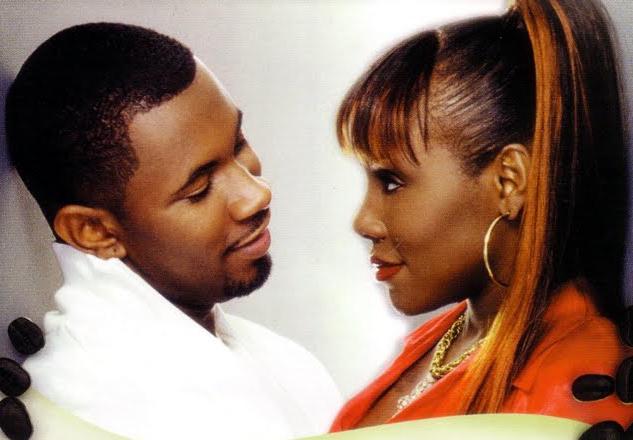
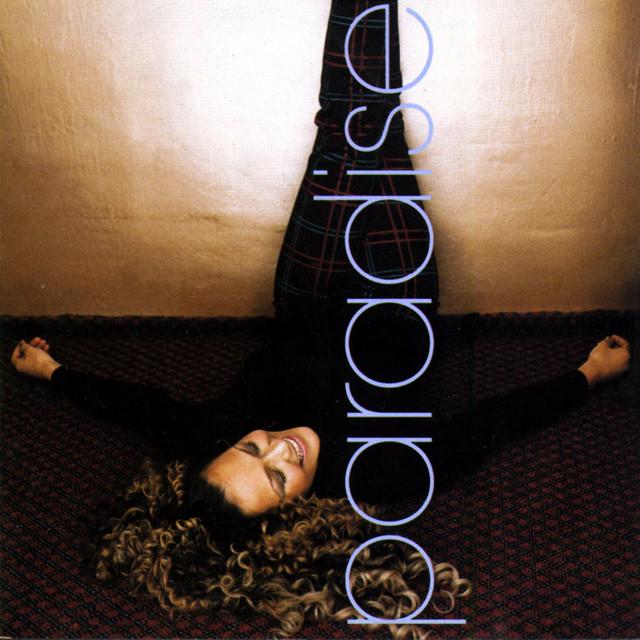
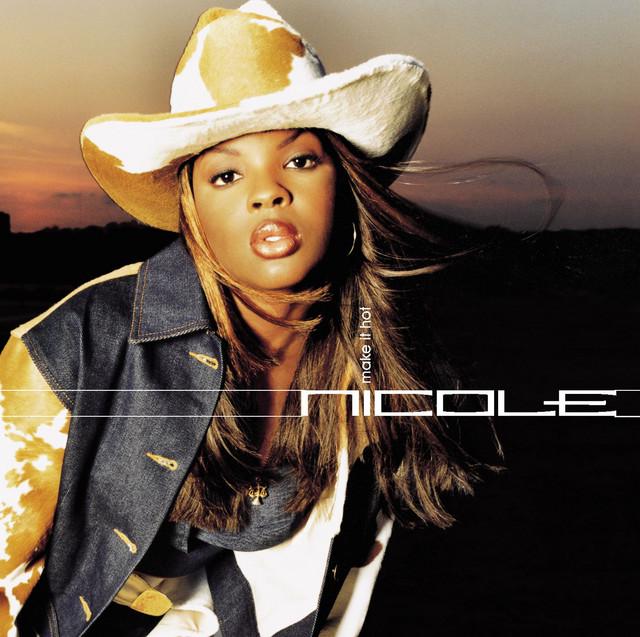
Cheri Dennis’ Spotify BioWith Sean "Diddy" Combs' Bad Boy Records on a winning streak in 2006 (new talents Yung Joc, Cassie, and Danity Kane scored Top Ten hit singles and Top Five albums, not to mention Diddy's own number one album), R&B vocalist Cheri Dennis was next in line, carrying Bad Boy's revival into 2007. The Cleveland native became the label's lone female solo artist since Faith Evans bailed for Capitol Records after her 2001 album, Faithfully. Dennis had to climb up the industry ladder before obtaining any real progress. She first discovered her love for singing in her grandmother's church choir at eight years of age. After finishing school and starting to sing professionally, she felt that she exhausted all means of pursuing a music career in her home city, and thus, went on to New York. Through different connections other than Combs, she landed guest vocals on Mase's 1999 album Double Up. However, two years later, Dennis ran into Combs at a party on Valentine's Day and staged an off-the-cuff… performance for him, catering to whatever song that happened to be playing at the time. Combs practically signed her on the spot. For the next five years, Dennis remained behind the scenes, mainly singing background vocals or hooks, while Bad Boy cycled through a couple distribution deals. The single "I Love You" finally appeared in spring 2006. ~ Cyril Cordor, Rovi
Viberate is a music analytics platform built for A&Rs, artist managers, labels, booking agents, marketers, and artists.
It helps music professionals track artist growth, analyze audience data, monitor playlist activity, compare artists, follow song performance, and identify opportunities across the music market.
Public artist pages provide a free preview of selected artist data. Paid plans provide access to deeper analytics, historical data, charts, comparisons, playlist tools, exports, alerts, reports, and additional professional features.
Yes. Public Viberate artist pages provide selected artist analytics and music data for free.
Viberate also offers a 7-day free trial of the full platform. A credit card is required to start the trial. The trial includes access to the complete product so users can test deeper artist analytics, historical views, playlist insights, comparisons, charts, exports, alerts, and reporting features before choosing a paid plan.
Viberate provides artist analytics across streaming, playlists, social media, video, radio airplay, songs, and audience markets.
Users can analyze Spotify performance, Spotify and Apple Music playlists, YouTube activity, TikTok and Instagram growth, radio spins, song performance, audience locations, demographics, rankings, and overall artist momentum.
Artist profiles also connect to music charts, similar artists, and comparison tools, helping users benchmark performance and evaluate artists in context.
Viberate updates key artist and track data daily.
For followed artists and tracks, selected data is refreshed multiple times per day. This helps teams monitor playlist changes, streaming movement, audience growth, releases, and campaign performance with more current data.
Update frequency can vary depending on the metric and data source.
Yes. Viberate lets users compare up to five artists side by side across streaming, social media, audience, and engagement metrics.
Users can compare fanbase growth, audience demographics, locations, Spotify performance, social metrics, and other artist data over selected time periods.
Artist comparison can be used for A&R scouting, benchmarking, booking decisions, campaign planning, and evaluating artists with similar audiences or market positions.